
>> Continued From the Previous Page <<
Zolfaghari went on to clarify that while the waterway remains partially open, it is tightly monitored under Iranian authority.
“It has not yet been completely closed and is under our intelligent control, and harmless transit – under specific regulations that ensure our security and interests – is allowed.”

However, his tone quickly shifted to a far more aggressive posture, outlining a series of retaliatory actions should the United States follow through on its threats.
“However, if the United States carries out its threats against Iran’s power plants, the following punitive actions will be taken immediately”
“The Strait of Hormuz will be completely closed and will not reopen until our damaged power plants are rebuilt.”
The warning didn’t stop there. Iran signaled that any escalation would extend far beyond its own borders, with potential consequences for U.S. allies across the region.
“All power plants and the energy and information-technology infrastructure of Israel will be widely targeted.”
“All similar companies in the region that have American shareholders will be completely destroyed.”
“Power plants in regional countries hosting US bases will be considered legitimate targets.”
These statements mark a dramatic escalation in rhetoric and raise serious concerns about the potential for a wider regional conflict involving multiple nations.
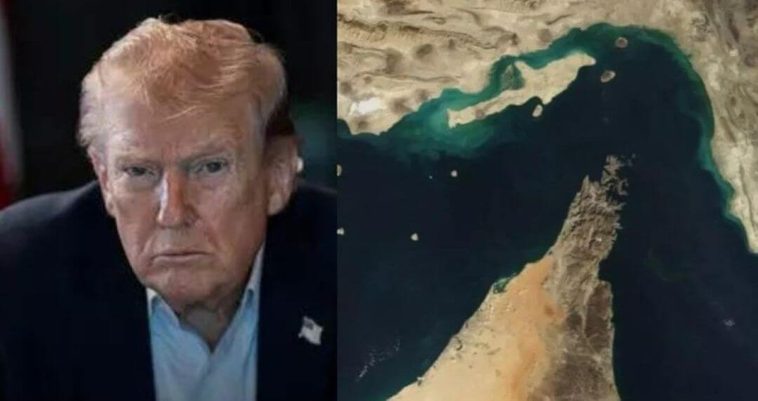
The confrontation follows a reported 48-hour ultimatum issued by Trump, demanding that Iran fully reopen the Strait of Hormuz or face direct military consequences. The waterway, which handles roughly one-fifth of the world’s oil shipments, has become a flashpoint in the growing crisis.
In recent weeks, disruptions in the Strait have intensified. Iran has asserted increasing control over maritime traffic following clashes involving U.S. and Israeli forces, further complicating an already volatile situation.
American military actions have already struck several Iranian targets, including facilities tied to oil exports and military operations. Notably, those strikes have so far avoided directly hitting Iran’s core energy grid—something Tehran now warns could trigger a far broader retaliation.
Meanwhile, Iran and allied groups in the region have responded with attacks on shipping routes and energy-related infrastructure, signaling that the conflict is no longer contained to isolated incidents but is evolving into a broader confrontation.
Reports indicate that thousands have been killed since the hostilities began, with multiple countries now drawn into the conflict, either directly or through proxy engagements.
As the standoff intensifies, the world watches closely. Any further escalation could disrupt global oil supplies, destabilize entire economies, and potentially ignite a much larger war in an already fragile region.

