
>> Continued From the Previous Page <<
The Department of Homeland Security later confirmed the details the magazine downplayed. Etoria’s criminal history includes armed robbery, forcible theft with a deadly weapon, criminal possession of a firearm, and murder. Authorities said he shot a man in the head in a Brooklyn store in 1996. He received a sentence of 25 years to life for second degree murder. In 2009, an immigration judge issued a final removal order. Etoria was supposed to leave the country sixteen years ago.
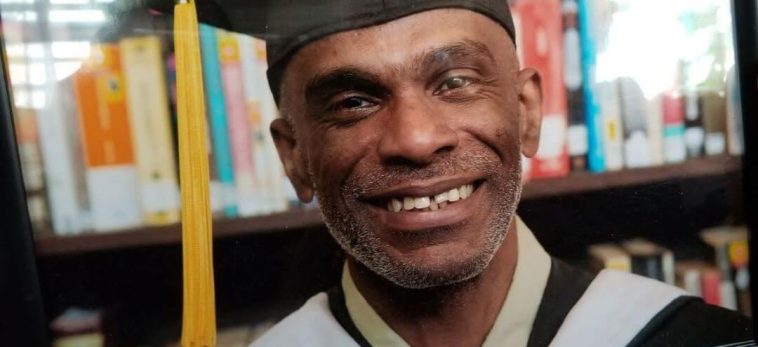
Instead, he remained in the United States due to years of policy loopholes and lax enforcement under the previous administration. Yet The New Yorker chose to spotlight his education in prison and his job at a homeless shelter rather than focus on the family of the man he killed. The magazine waited several paragraphs before finally acknowledging the murder conviction, long after trying to present him as a hardworking resident unjustly swept up by Trump’s immigration efforts.

This tactic mirrors a pattern familiar to anyone watching corporate media coverage of immigration. Humanize the offender. Hide the victim. Bury the violence. Then blame the consequences on Republicans. It is manufactured sympathy designed to rewrite public perception, and this time the internet refused to play along.
DHS even noted that The New York Times previously attempted a similar narrative about Etoria, asking, “Why does the New York Times continue to peddle sob stories of criminal illegal aliens? When will they finally shed light on the victims of illegal alien crimes?” Their point landed hard. Major outlets seem more interested in defending criminals than recognizing American families devastated by their actions.
The Trump administration has made its priorities clear. Dangerous offenders will not be allowed to stay in the United States simply because activist journalists want readers to feel emotional. A DHS spokesperson said, “If you come to our country illegally and break our laws, you could end up in CECOT, Eswatini, South Sudan, or another third country.” To most Americans, that is not cruelty. That is common sense.
The New Yorker’s failed attempt to turn a convicted murderer into a misunderstood hero shows exactly why Community Notes has become one of the most trusted tools on social media. It forces transparency where elite media refuses to provide it. This time, the propaganda collapsed under the weight of truth, and the blowback was swift.
The more the press tries to distort the facts about criminals like Etoria, the more obvious their agenda becomes. And the more Americans recognize that Trump’s immigration policies are not heartless. They are necessary.

