
>> Continued From the Previous Page <<
What Was Left Out
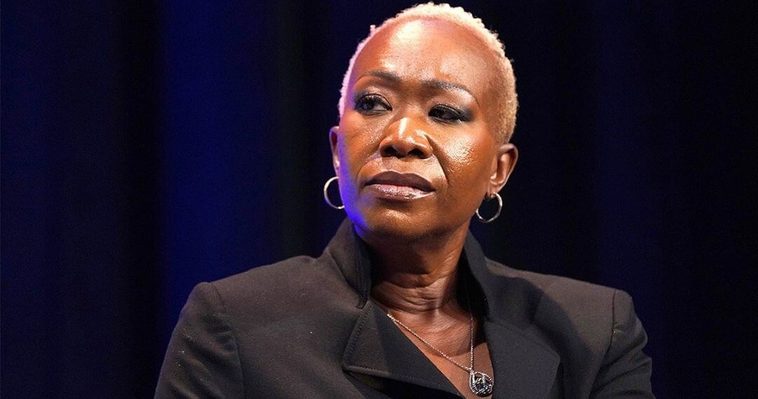
While Reid referenced the 1953 coup involving Prime Minister Mossadegh as context for Iran’s hostility toward the United States, critics note she omitted far more recent—and far more relevant—events.
In early 2026, the Iranian regime reportedly cracked down violently on its own citizens amid widespread protests. Demonstrators demanding an end to the ruling theocracy were met with force, as the government imposed an internet blackout and moved to suppress dissent.

Human rights organizations have long documented Iran’s use of harsh punishments, including executions, imprisonment of political dissidents, and persecution of minority groups. These realities, critics argue, were absent from Reid’s remarks.
From Cable News to Podcast Circuit
Reid’s comments come after a turbulent period in her career. MSNBC canceled her show in February 2025 following a steep drop in viewership after the 2024 election cycle.
In her final broadcast, Reid warned viewers that “fascism is already here”—a statement she made freely on American television.
Since leaving the network, she has remained active in progressive political circles, appearing at events and hosting alternative programming. Critics say her latest remarks reflect a growing trend among some media figures who face little pushback outside traditional broadcast environments.
A Question of Moral Equivalence
At the heart of the controversy is Reid’s suggestion that the United States is only “marginally better” than Iran.
For many, that comparison is difficult to reconcile with widely reported conditions inside Iran. The country enforces strict religious laws, and its so-called morality police have been accused of detaining women over dress code violations.
One of the most widely known cases is that of Mahsa Amini, whose death in custody in 2022 sparked global protests. Demonstrations that followed were met with a harsh response from authorities, including arrests and reported executions.
Critics argue that comparing such a system to American domestic policy debates—particularly over abortion laws—creates a false equivalence that minimizes the severity of human rights abuses abroad.
A Broader Debate Emerging
Reid’s comments have also reignited a larger conversation about how some political voices in the United States interpret foreign policy and global conflicts.
Organizations like Code Pink have previously drawn criticism for rhetoric perceived as sympathetic to adversarial regimes. Observers say Reid’s remarks fit into a broader pattern of framing America as morally comparable to its geopolitical rivals.
At the same time, others argue that questioning U.S. policy is a fundamental part of democratic discourse. Still, even some critics of American foreign policy have distanced themselves from Reid’s framing.
The Human Cost
Lost in the political debate are the lives that were cut short.
Thirteen American service members returned home in flag-draped coffins. Dozens more were wounded in the same operation.
For their families, the loss is personal and permanent—far removed from podcast debates or ideological arguments.
A Divisive Message
Reid’s defenders may argue she was attempting to highlight perceived flaws in American society. But her critics see something else entirely: a statement that blurs the line between a democratic nation and an authoritarian regime.
In a moment when tensions are high and lives have been lost, many Americans are asking whether such comparisons serve any constructive purpose—or simply deepen divisions at home.
One thing is certain: the backlash isn’t fading anytime soon.

