
>> Continued From the Previous Page <<
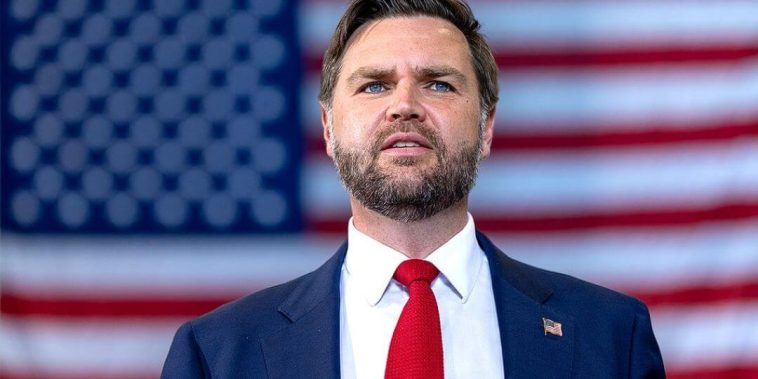
Sources close to Cruz say he is quietly contemplating another presidential run. Such a campaign would likely put the 55-year-old Texas senator in direct competition with Vice President JD Vance, widely seen as a frontrunner for the GOP nomination.
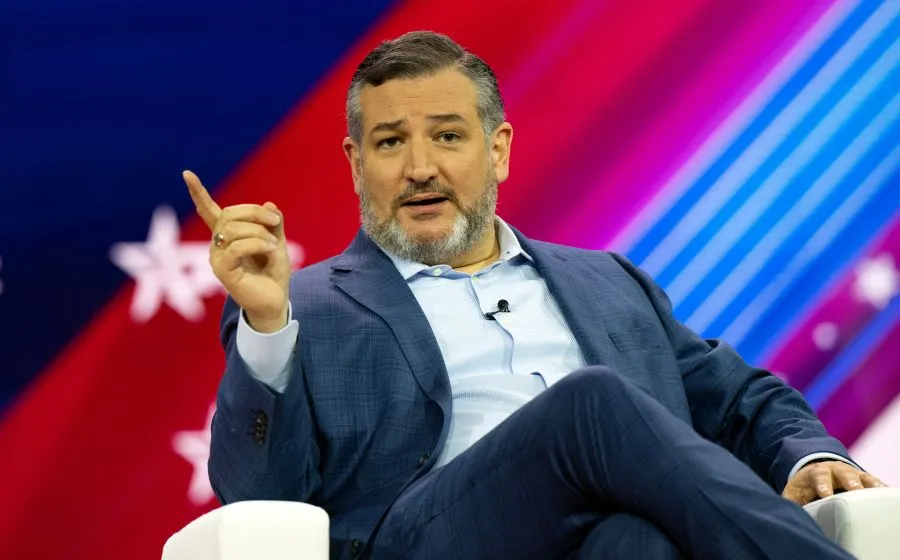
Tensions between the two camps are already evident. Cruz has privately warned Republican donors that Vance’s foreign policy leans too far toward isolationism. Vance, one of the party’s most vocal critics of U.S. intervention abroad, maintains close ties to Carlson.

This showdown reflects a GOP transformed in the Trump era. Cruz, who entered the Senate in 2013 as a tea party insurgent challenging party leadership, now defends longstanding Republican positions on national security, capitalism, and foreign policy—even as a newer generation of conservatives promotes a more isolationist, populist vision.
Some political analysts question whether Cruz can mount a successful White House campaign. His clashes with Trump in 2016 and his reputation as a Washington insider could be obstacles. Still, he has spent years building a nationwide network of donors and activists, leaving the 2028 GOP primary wide open.
“Can Ted help craft or meld together the traditional Republican approach with the new reality of what the Republican Party is now?” asked Daron Shaw, a University of Texas political science professor who worked with Cruz during George W. Bush’s 2000 campaign. “It’s a heavy lift.”
The day after meeting with Klein, Cruz escalated his rhetoric. Speaking to Jewish conservatives in Las Vegas, he called Carlson “a coward” and condemned what he described as the “poisonous lies” of antisemitism. He also praised Trump as a president who “loves the Jewish people.”
“When Trump is not in the White House, what then?” Cruz asked the crowd.
“Ted Cruz!” someone shouted back.
Cruz smiled and continued.
Any GOP hopeful for 2028 faces the significant challenge of Vance, who leads early polls and is widely regarded as Trump’s natural heir. While Trump has not officially endorsed Vance, his influence over the party remains formidable.
“The Republicans will be fighting for their identity,” Rep. Marjorie Taylor Greene, a Carlson ally, said. “There’ll be Ted Cruz, I’m sure, running against JD Vance. All of us hate Ted Cruz.”
Cruz’s career has been defined by adaptability. He served in the Bush administration, became Texas solicitor general, and rode the tea party wave to a Senate upset in 2012. In Washington, he gained notoriety for clashes over spending and the Affordable Care Act, including a 2013 government shutdown.
His 2016 presidential bid ended when Trump’s populist appeal overtook him. Cruz famously told convention delegates to “vote your conscience,” angering many Trump supporters. Over time, he rebuilt his standing, chairing the Senate Commerce Committee and negotiating bipartisan deals, including on aviation safety.
Cruz calls himself a “noninterventionist hawk” and has long been a staunch supporter of Israel, arguing that opposition to the Jewish state undermines U.S. security.
“Those who are anti-Israel quickly become anti-capitalist and anti-American,” Cruz said. “Tucker’s obsession is unhealthy and dangerous.”
The divide within the GOP is clear. Carlson and Vance promote an “America First” approach, wary of foreign entanglements and some corporate interests. Cruz is drawing a line against isolationism and what he sees as tolerance for antisemitism in conservative ranks.
Vance rejects claims of widespread antisemitism, saying, “It’s kind of slanderous to say that the Republican Party, the conservative movement, is extremely antisemitic,” while distinguishing criticism of Israel from hatred of Jews.
Cruz disagrees. “Every Hamas or Hezbollah or IRGC terrorist that Israel took out makes Americans safer,” he said. “And those who don’t see that are not acting in accordance with American national security interests.”
The feud escalated after a tense Cruz-Carlson interview over Israel, followed by personal attacks. Cruz has called on Republicans to repudiate Carlson after hosting white nationalist Nick Fuentes, while Carlson accused Cruz of reckless ambition. Trump has remained neutral, calling Carlson a “nice guy” and Cruz a “good friend.”
Whether Cruz can convert his high-profile stance into a viable 2028 campaign remains uncertain. Some GOP donors remain unconvinced.
“If JD Vance is running, I’m going to be supporting JD Vance,” said Hal Lambert, a longtime donor who backed Cruz in 2016. “I just don’t understand what the platform would be.”
For now, Cruz is staking his claim. He is betting that foreign policy, Israel, and the future direction of the Republican Party will define who emerges as the next GOP standard-bearer.

