
>> Continued From the Previous Page <<
Medical data shows that roughly one out of every ten people infected with Powassan dies from the illness. For those who survive severe infections, the battle is often far from over. Neurological complications can linger for years, leaving victims with memory problems, chronic headaches, paralysis, and other life-altering conditions.
What makes Powassan especially concerning is how quickly it can spread after a tick bite.

Unlike Lyme disease, where prompt tick removal can significantly reduce infection risk, Powassan offers little margin for error.
“Dr. Steven Goldberg, chief medical officer at HealthTrack, calls Powassan arguably the most concerning emerging tick-borne infection in America right now.”
There is currently no vaccine available for the general public. There is no preventive antibiotic treatment after exposure. Doctors can only provide supportive care once symptoms appear.
That reality has many public health experts increasingly concerned as the virus appears in more regions than ever before.
Cases Continue Moving Into New Areas
Federal health data shows a troubling trend.
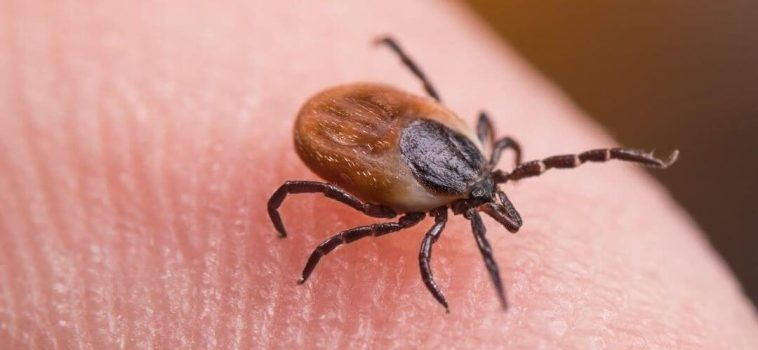
Reported Powassan infections have increased dramatically over the past decade. At the same time, the blacklegged tick that carries both Lyme disease and Powassan has expanded its range across much of the United States.
Areas that rarely dealt with tick-borne illnesses years ago are now reporting growing numbers of cases.
Experts believe warmer temperatures, changing weather patterns, and expanding wildlife habitats have helped create ideal conditions for tick populations to thrive.
As those populations grow, so does the likelihood that more Americans will encounter dangerous pathogens in their own neighborhoods.
A Record-Breaking Tick Season
This year is already shaping up to be one of the worst tick seasons in recent memory.
Emergency rooms across the country have reported a surge in tick-related visits. Health officials say the numbers are running well above historical averages, with some regions experiencing the highest rates seen in nearly a decade.
The Northeast remains one of the hardest-hit areas, but elevated activity is also being reported throughout the Midwest and other parts of the country.
Children and elderly Americans appear to be among the most vulnerable groups seeking treatment.
Meanwhile, Lyme disease continues to spread at an alarming pace.
In some states, large percentages of submitted ticks are testing positive for the bacteria responsible for Lyme disease. Health officials now fear total diagnosed cases could reach record levels this year.
The Threat Isn’t Limited to Wilderness Areas
Many Americans still associate ticks with deep forests and remote hiking trails.
Doctors say that assumption is a mistake.
Ticks are commonly found in suburban yards, neighborhood parks, sports fields, playgrounds, and areas with tall grass.
A simple afternoon outdoors can create exposure risks.
Medical experts point to regions such as Ohio, Virginia, and West Virginia as examples of how quickly tick populations are expanding beyond their traditional strongholds.
At the same time, the aggressive lone star tick continues moving northward from the Southeast.
That species brings its own dangers, including ehrlichiosis and alpha-gal syndrome, a condition that can trigger severe allergic reactions to red meat after a tick bite.
In rare situations, those reactions can become life-threatening.
What Families Should Be Doing Right Now
Doctors say prevention remains the strongest defense.
Families are being encouraged to use EPA-approved insect repellents whenever spending time outdoors. Clothing treated with permethrin can provide another layer of protection.
After returning inside, experts recommend conducting thorough tick checks, especially around the scalp, ears, armpits, groin area, and behind the knees.
Taking a shower soon after outdoor activities may also help reduce risk.
Clothing should be placed in a high-heat dryer cycle because ticks can survive ordinary washing.
If a tick is discovered attached to the skin, experts advise removing it immediately using fine-tipped tweezers and pulling straight upward with steady pressure.
Folk remedies should be avoided.
Methods involving petroleum jelly, matches, or other home treatments can actually increase infection risks.
Don’t Ignore Summer Flu Symptoms
One of the biggest challenges doctors face is that tick-borne illnesses often resemble common summer ailments.
Fever, headaches, fatigue, muscle aches, chills, and joint pain can easily be mistaken for dehydration, heat exhaustion, or a seasonal virus.
Adding to the challenge, early testing may not always provide definitive answers.
Because of that, physicians are increasingly encouraged to consider recent outdoor exposure and symptom patterns rather than relying exclusively on laboratory results.
The message from health professionals is simple.
The sooner symptoms are recognized, the better the chances of successful treatment for many tick-related illnesses.
With months of warm weather still ahead, doctors are urging Americans to remain vigilant.
A quick check after spending time outdoors could be the difference between catching a problem early and facing a life-changing medical emergency.
This summer, health experts say families should pay close attention—not just for Lyme disease, but for the lesser-known threats that may be hiding in the very same tick.

