
>> Continued From the Previous Page <<
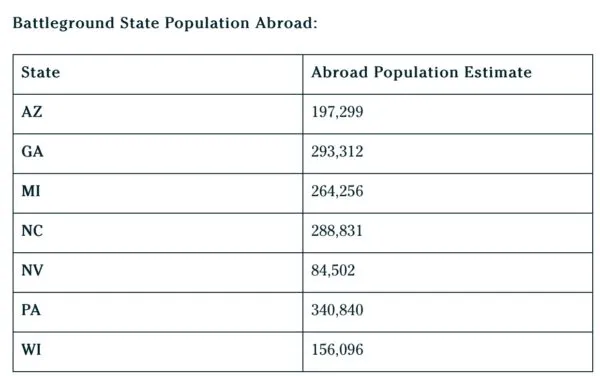
In the memo, the DNC stated its intent to win votes in battleground states such as Arizona, Georgia, Michigan, Nevada, North Carolina, Pennsylvania, and Wisconsin. The party estimates that 1.6 million of these overseas voters come from these key states. Critics, however, are skeptical, citing data that suggests the actual number of overseas voters in these states is far lower.
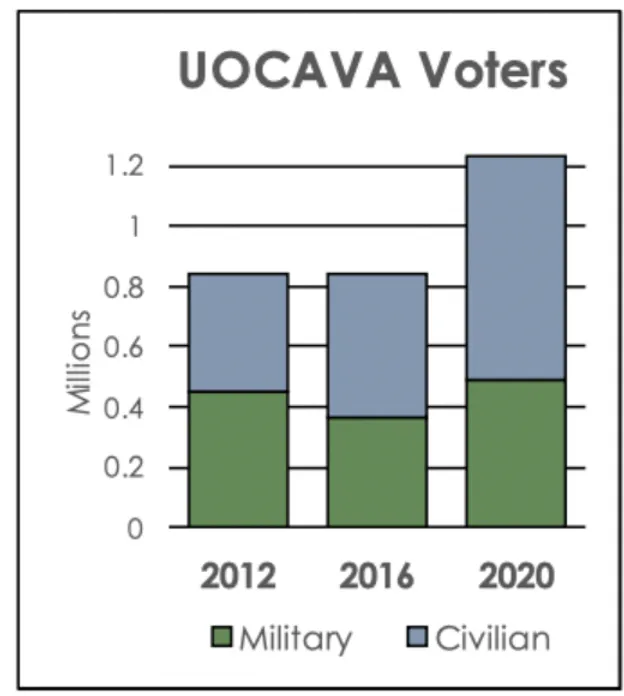
Reuters recently reported that the DNC plans to spend $300,000 to register 9 million UOCAVA voters. According to government figures, only 2.8 million UOCAVA voters exist, and of those, only a fraction typically participate in elections. Even assuming that half of those eligible voters lean Democratic, this still falls short of the DNC’s ambitious target.

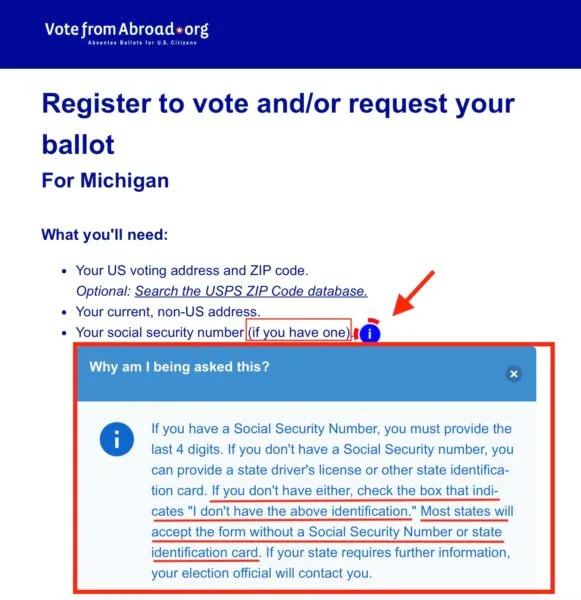
A notable issue is the lack of verification for overseas voter registrations. UOCAVA allows applicants to register online without confirming their identity or citizenship, creating a loophole that could be exploited by unscrupulous actors. The ability for UOCAVA voters to choose any state as their voting address further complicates matters. The concern is that individuals with no real connection to a state could register to vote in battleground states and influence the outcome of tight races.
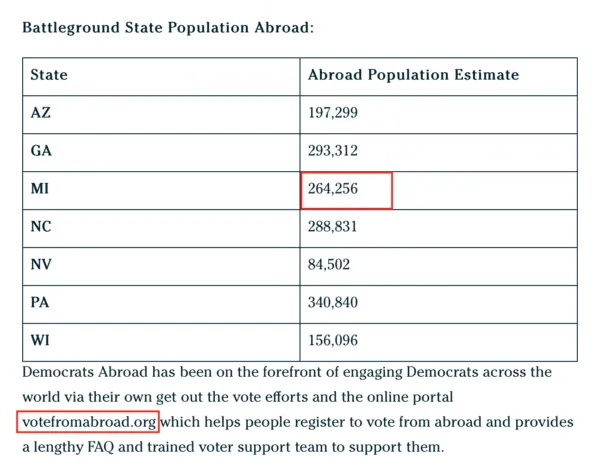
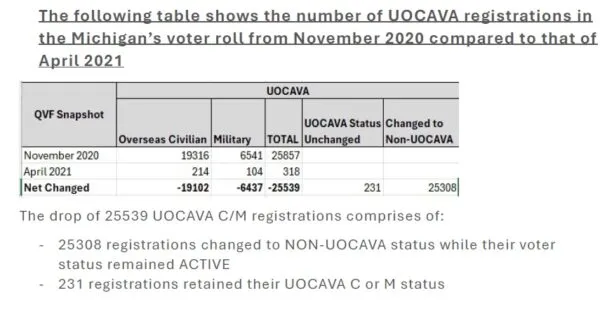
In Michigan, the founder of CheckMyVote.org, Phani Mantravadi, revealed troubling data regarding UOCAVA registrations. Since January 2024, Michigan has added 11,098 UOCAVA registrations, but only 1,226 were new voters. The rest were voters who had their status switched from non-UOCAVA to UOCAVA, raising questions about the legitimacy of these registrations. Additionally, Michigan saw a surge in UOCAVA registrations during the 2020 election, with over 25,000 voters registered as UOCAVA despite the COVID-19 pandemic.
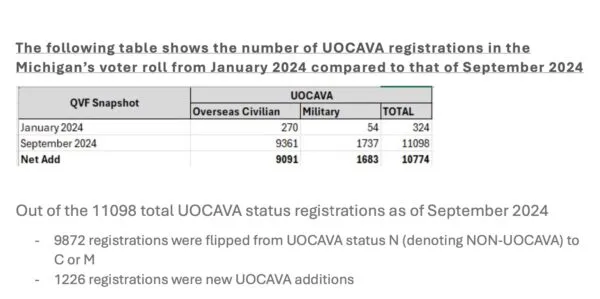
This inconsistency, coupled with reports of nearly 8,000 ballots being processed electronically in violation of Michigan law, has raised suspicions about the integrity of the system. Critics argue that this could be part of a larger strategy to inflate voter rolls with ineligible or non-existent voters, particularly in states that are crucial to determining the outcome of the election.
Carry 46 rounds concealed? (comfortably)
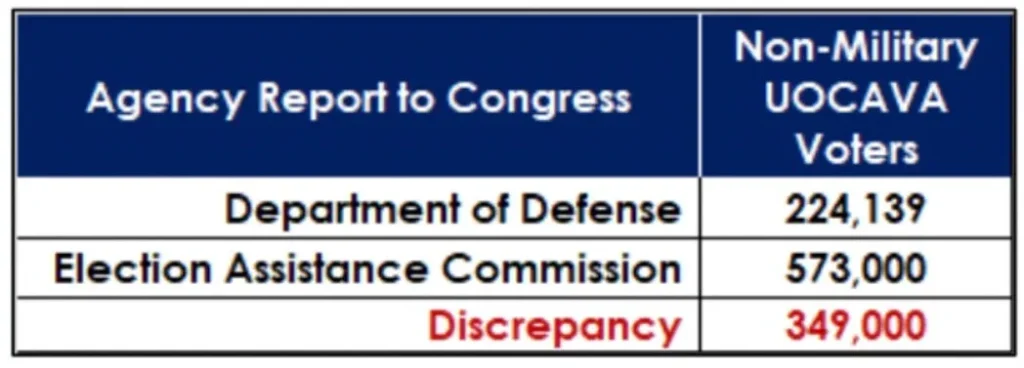
The discrepancies in data reported by different government agencies further fuel concerns. The Department of Defense reported 224,139 non-military UOCAVA voters in 2020, while the Election Assistance Commission reported 573,000—a gap of 349,000 voters. This raises questions about the accuracy of the voter registration process and whether overseas voters’ identities are being properly verified.
In Pennsylvania, a formal complaint was filed against the Department of State, alleging violations of federal election law. Pennsylvania Fair Elections argues that the state is failing to verify the identities of overseas voters, potentially allowing non-citizens or fraudulent voters to cast ballots. During a media conference, attorney Erick Kaardal emphasized that “it’s not too much to ask state officials to follow federal law” and that the current system poses a serious threat to election integrity.
As the election approaches, conservatives are calling for stricter oversight of UOCAVA voter registrations and the enforcement of federal election laws. They argue that Democrats are exploiting vulnerabilities in the system to secure votes from overseas voters, many of whom may not be eligible or even exist. The question remains: will anyone step up to address these concerns before the 2024 election?

