
>> Continued From the Previous Page <<
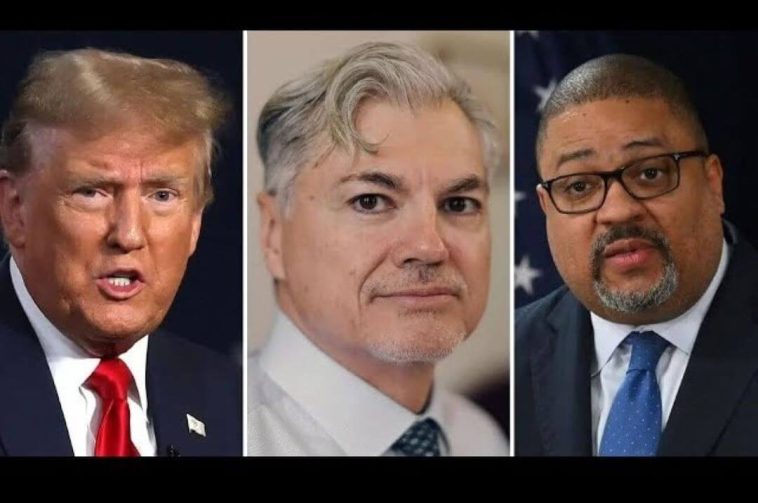
Judge Merchan agreed to issue a ruling on the matter by September 16, but instead, he pushed back the sentencing and also postponed his decision on the presidential immunity question until November 12. This delay leaves a cloud of uncertainty over the legal future of the former president as the case edges closer to election season.
In response to the ongoing legal battle, Trump’s attorneys have filed an urgent appeal to the Second Circuit Court of Appeals, seeking to prevent what they describe as a politically motivated attempt to imprison the former president during a critical time in the election. According to Trump’s legal team, imprisoning him in the lead-up to the election would infringe upon his First Amendment rights, as well as the rights of voters across the country.

“Unlawfully incarcerating President Trump in the final weeks of the Presidential election, while early voting is ongoing, would irreparably harm the First Amendment rights of President Trump and voters located far beyond New York County,” Trump’s lawyers argued in the appeal.
The legal wrangling is not confined to the New York courtrooms. In a separate ruling, Judge Alvin Hellerstein rejected Trump’s request to move the case, stating that the Supreme Court’s presidential immunity ruling did not apply to the ‘hush money’ payments. Judge Hellerstein, appointed by former President Bill Clinton, dismissed the notion that the payments were related to Trump’s official duties as president, ruling that they were considered personal actions rather than official acts.
Earlier this year, Trump was convicted on 34 felony counts stemming from allegations that he paid adult film actress Stormy Daniels, whose real name is Stephanie Clifford, $130,000 to keep her quiet about an alleged affair. The payment, which was funneled through Trump’s then-attorney Michael Cohen, was intended to prevent the story from being published by the National Enquirer during the 2016 presidential campaign.
Manhattan District Attorney Alvin Bragg has argued that Trump committed fraud by falsely labeling the payment as “legal fees.” This mischaracterization, according to the district attorney’s office, constitutes an illegal attempt to manipulate campaign finance records, making it a critical issue for prosecutors. Trump has consistently denied the allegations of an affair with Daniels, as well as any wrongdoing related to the payments.
Carry 46 rounds concealed? (comfortably)
The delayed sentencing date places Trump’s legal troubles squarely within the context of his ongoing bid for the Republican nomination in the 2024 presidential election. As Trump continues to dominate polls within the GOP, his legal challenges are certain to remain a central issue in the campaign. Supporters of the former president have long maintained that the charges are politically motivated, part of a broader effort to derail his political ambitions.
As this latest development unfolds, the question of how much these legal issues will impact Trump’s campaign and voter sentiment remains at the forefront of the national conversation. What is certain, however, is that the ‘hush money’ case will remain a highly scrutinized and contentious issue as the 2024 election approaches.
With the sentencing date now delayed until after Election Day, the legal battles surrounding the former president are set to continue dominating headlines for months to come. All eyes are now on the November rulings, which could have significant implications for Trump’s political future and the broader landscape of American politics.

