
>> Continued From the Previous Page <<
People in various neighborhoods rushed to the streets. Some could be seen in the distance from various areas of Caracas.”
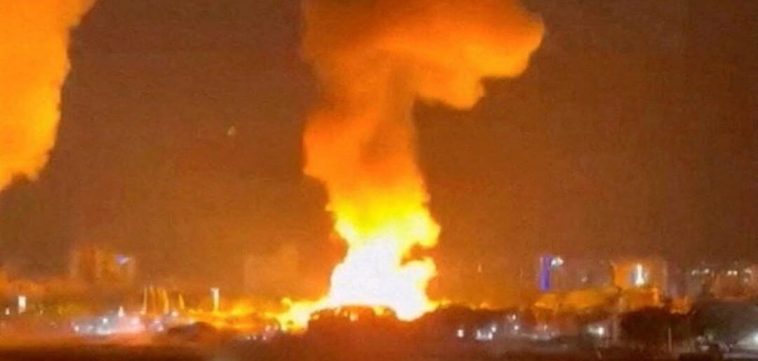
Those lines from international reporting captured only a fraction of the panic spreading across the capital. Videos circulating online show flashes in the sky, sirens blaring, and citizens shouting as military aircraft roared overhead.

The Biden era silence from Caracas was deafening. For hours, the Maduro government offered no official explanation as the country appeared to slide into open conflict.
This dramatic escalation follows days of U.S. military operations targeting suspected drug trafficking routes in Venezuelan waters. American officials have long accused the Maduro regime of functioning as a narco state, enabling criminal organizations to move massive quantities of cocaine northward.
Just one day earlier, the Venezuelan government claimed it was open to talks with Washington on combating drug trafficking. Maduro himself accused the United States of attempting to overthrow his regime and seize Venezuela’s oil reserves, calling the pressure campaign an act of imperial aggression.
Those claims now ring hollow.
As the night wore on, reports intensified that American forces were not just striking from the air. According to updated reporting from Reuters, U.S. ground troops were active in and around Caracas. Other sources went further, identifying elite U.S. Army Delta Force units conducting landing operations in southern parts of the city.
The situation reached a stunning climax when President Donald Trump made a bombshell announcement.
Trump confirmed that Venezuelan dictator Nicolas Maduro had been captured.
The announcement sent shockwaves through diplomatic circles and triggered celebrations among Venezuelan expatriates who have watched their country collapse under socialism. Maduro, long shielded by loyalist generals and foreign backers, was suddenly in U.S. custody.
Trump framed the operation as a decisive strike against corruption, drug trafficking, and tyranny. Sources close to the administration say the operation had been planned for months, relying on intelligence gathered on Maduro’s movements and security weaknesses.
For millions of Venezuelans suffering under hyperinflation, food shortages, and brutal repression, the news felt unreal. The man who presided over one of the worst economic collapses in modern history was gone.
As of this writing, the full scope of the operation remains classified. The Maduro regime has yet to issue a formal response, and it remains unclear how remaining loyalist forces will react.
One thing is undeniable.
The balance of power in Venezuela has shifted overnight. The explosions heard across Caracas were not just blasts of fire and steel. They marked the collapse of a regime that ruled through fear, corruption, and socialist ruin.
History may record this night as the moment Venezuela finally broke free.

