
>> Continued From the Previous Page <<
As of January 2023, the U.S. had already sent 1,600 Stinger systems to Ukraine. At the current rate of production, it would take an astounding 18 years to replace these units. Even if Raytheon ramps up to its historical production rates, the replacement timeframe shrinks only to 6.5 years. And that’s not counting additional shipments, such as those included in the $125 million military aid package announced by the Pentagon in August 2023.
The CSIS report analyzed six key artillery systems sent to Ukraine and assessed how long it would take to rebuild U.S. stockpiles. Only one system, the M142 HIMARS, could be replenished within five years at low risk. HIMARS restocking would take 37 months at current rates or 30 months with a surge in production.

The other systems? Not so fortunate. The report identified significant risks for replenishing 155 mm ammunition, Excalibur precision rounds, Javelin anti-tank systems, and the aforementioned Stinger missiles. These inventories could take years—or decades—to rebuild.
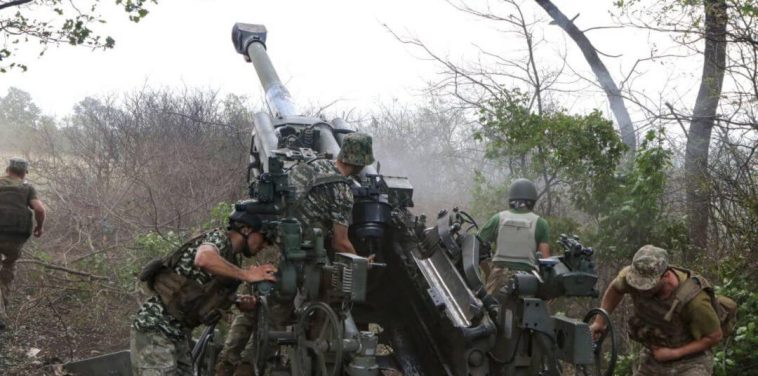
Artillery has become a critical component of Ukraine’s war effort, especially with the largely stationary front lines. The report highlights a potential crisis brewing over 155mm ammunition, which is being used at a staggering rate by Ukrainian forces.
“Ukraine will never run out of 155 mm ammunition — there will always be some flowing in — but artillery units might have to ration shells and fire at only the highest priority targets. This would have an adverse battlefield effect,” the CSIS report warns.

The study also raises alarms about the lack of publicly available data on key weapons systems. For example, the U.S. has sent tens of thousands of “other anti-armor systems” and numerous counter-artillery radars and unmanned systems to Ukraine. However, there isn’t enough data to gauge how long it would take to replenish these inventories, leaving a troubling blind spot in America’s defense readiness.
While the CSIS report notes that most U.S. inventories remain adequate, the long-term implications of these transfers cannot be ignored. The need to rebuild stockpiles could force the U.S. to substitute less effective systems or even rely on foreign manufacturers, a scenario that undermines U.S. defense autonomy.
What are the best concealed carry holsters for ultimate security?
In a world where global threats are mounting, these delays are more than just a numbers game—they’re a matter of national security. The study’s sobering conclusions point to the need for NATO to push harder for peace in Ukraine.
At some point, the cost of war becomes too great to bear. Continuing to deplete critical defense systems for what has become a meat-grinder conflict threatens to leave America vulnerable. It’s time to recalibrate priorities and put national security first.

