
>> Continued From the Previous Page <<
President Trump’s decision followed weeks of escalating unrest around federal facilities in the Chicago area. Last week, he ordered 300 members of the Texas National Guard to reinforce federal law enforcement after a violent attack near a processing site. Agents were reportedly surrounded and rammed by a group of far-left extremists, and at least one assailant was armed.
Although a federal judge temporarily paused the National Guard’s deployment, the administration made clear it would not sit on its hands while federal employees are under siege. The Pentagon stated the deployment was “in support of the Federal Protection Mission to protect federal functions, personnel, and property.”

Alongside the National Guard, additional forces from U.S. Immigration and Customs Enforcement (ICE), U.S. Customs and Border Protection, and other federal agencies have already arrived in the region. Their mission: secure the facilities, protect federal workers, and support deportation efforts that have drawn intense protests from far-left agitators.
One of the main hotspots for the ongoing chaos is the Broadview facility, just outside Chicago. The location has endured repeated harassment from radical groups determined to obstruct federal operations.
Democrat candidates themselves have been caught on camera participating in these illegal blockades. Evanston Mayor Daniel Biss and progressive activist Kat Abughazaleh were filmed standing in front of federal vehicles, deliberately impeding officers from doing their jobs.

These confrontations have only grown more aggressive. Agents have been pelted with rocks, had their tires slashed, and endured daily mob disruptions. In many cases, officers have been forced to use non-lethal crowd control measures—including pepper spray, tear gas, and rubber bullets—against rioters who frequently outnumber law enforcement on the ground.
The situation exploded on Saturday when ten vehicles were deliberately used to ram and trap agents near Broadview. As the attack intensified, one rioter reportedly brandished a firearm, forcing agents to respond with gunfire in self-defense.
In response to the escalating violence, Department of Homeland Security Secretary Kristi Noem announced that specialized federal tactical units would be dispatched to Illinois. The goal: prevent future attacks and stabilize the area before more lives are put at risk.
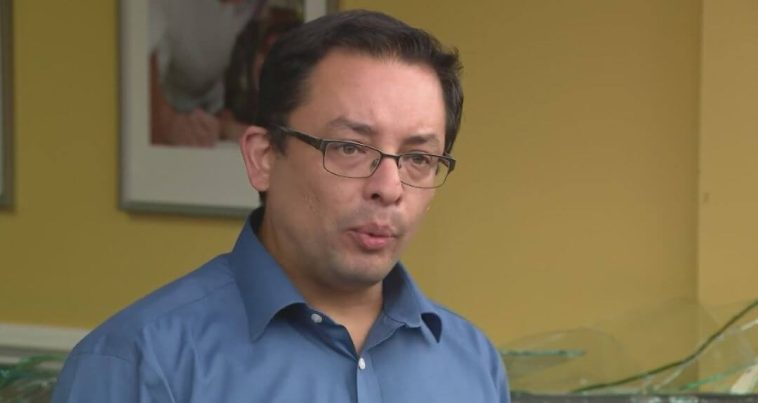
Lopez’s public break with his party underscores a growing divide among Democrats in the city. While political leaders like Johnson and Pritzker continue to wage rhetorical battles against the White House, residents on the ground are demanding protection and accountability.
By backing the Trump administration’s decision, Lopez has positioned himself as a rare voice in Chicago politics—one willing to challenge party leadership in favor of securing his community. With federal agents and National Guard personnel now moving in, the battle over law and order in Chicago may be entering a new and defining chapter.

