
>> Continued From the Previous Page <<
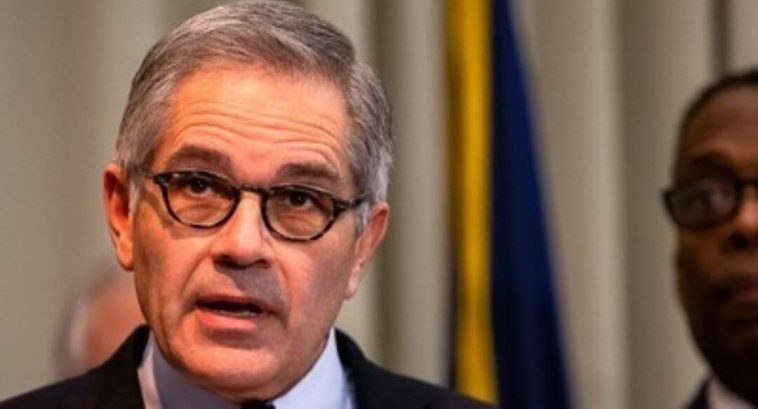
“You can have a state prosecution for conduct that was not fully encompassed in the federal prosecution,” Krasner explained.
This statement highlights a legal strategy that progressive prosecutors have tried before: finding state-level charges that fall outside the scope of federal cases to bypass double jeopardy protections.

Krasner’s actions bring to mind a similar case from 2019 involving Paul Manafort, Trump’s former campaign manager. In anticipation of a possible presidential pardon from Trump, Manhattan District Attorney Cy Vance announced state charges against Manafort just minutes after he was sentenced on federal charges.
In that instance, the Southern District of New York (SDNY) seemed to craft a workaround to ensure Manafort would remain behind bars even if pardoned by Trump. Although the strategy temporarily made headlines, it ultimately failed. Manafort’s lawyers successfully argued that the state charges violated double jeopardy laws, leading a judge to dismiss the case.
If Krasner proceeds with this approach, he may face similar legal roadblocks. Critics are already questioning whether this move is politically motivated, given Krasner’s history as a progressive prosecutor aligned with Soros-funded criminal justice reforms.
Conservatives argue that these state-level maneuvers are thinly veiled attempts to target Trump allies and supporters. They view Krasner’s efforts as part of a broader campaign to weaponize the justice system against political opponents.
“This is another example of Democrats using any means necessary to undermine President Trump and his supporters,” one GOP strategist commented. “They can’t win in the court of public opinion, so they resort to legal gymnastics to punish those they disagree with.”
Just Released: Trump White House Collector’s Bobblehead!
Despite the hurdles, Krasner’s exploration of state charges signals a potential escalation in the ongoing legal battles surrounding January 6. While federal pardons shield defendants from further federal prosecution, state-level charges could open a new chapter of legal warfare.
Observers on both sides of the aisle are closely watching Krasner’s next moves. If he proceeds, the case could set a controversial precedent for how state and federal jurisdictions interact in politically charged cases.
For now, Krasner faces an uphill battle not only in the courts but also in the court of public opinion. While progressives may applaud his efforts, conservatives see it as yet another example of selective prosecution aimed at silencing dissent.
As this legal drama unfolds, one thing is clear: the fight over January 6 is far from over, and the battle lines between federal pardons and state prosecutions are only just beginning to take shape.

