
>> Continued From the Previous Page <<
The demand for greater censorship is not new among left-wing politicians, but Clinton’s phrasing was particularly striking. To many Americans who value free speech, her words sounded like a direct assault on the First Amendment. The idea that “we lose total control” without aggressive censorship raises concerns about the broader implications of such policies. Who decides what gets censored? What happens to those who dissent from the mainstream narrative?
Clinton’s remarks reflect the broader conversation surrounding Section 230 of the Communications Decency Act, which has been the focal point of debate regarding internet regulation. The provision currently protects online platforms from being held legally accountable for content posted by their users, treating them as neutral pass-throughs. However, many politicians, both on the left and right, are calling for reforms.

WATCH:
Clinton’s argument hinges on the idea that these platforms are no longer neutral and need to take more responsibility for the content shared on their sites. Yet, critics argue that removing this protection would lead to over-policing of content and limit the open discourse that is central to American values.
Her suggestion comes amid growing concerns that government interference in online speech will lead to a slippery slope, where only politically approved viewpoints are allowed to thrive, and opposition voices are squashed. Conservatives have long argued that Big Tech’s censorship disproportionately targets right-leaning individuals, further intensifying the debate.

Clinton didn’t stop at calling for more aggressive internet censorship. She also argued that schools should ban phones entirely, echoing her belief that technology has had a negative impact on children.
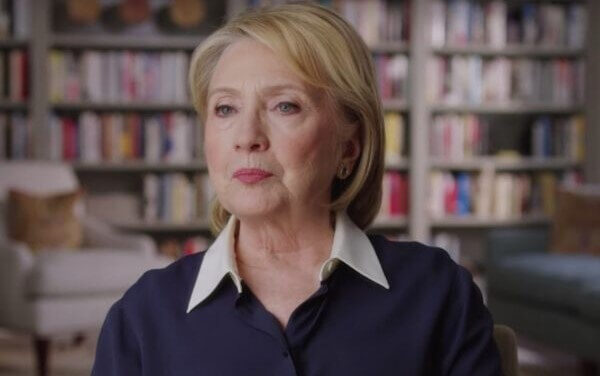
“We’ve conducted a big experiment on ourselves and particularly our kids and I think the evidence is in,” she said. “We’ve got to do more, take phones out of schools. I’m so happy to see schools beginning to do that where kids turn their phone in when they walk in the door.”
WATCH:
While some parents may appreciate her call for phone-free zones in schools, others question how far Clinton and others in power are willing to go to regulate people’s daily lives. The idea that phones—arguably essential tools for learning, communication, and safety—should be taken away from children is alarming to some and adds fuel to the growing debate on personal freedom in the digital age.
Perhaps even more disturbing than her social media remarks was Clinton’s previous suggestion that Americans could face criminal charges for spreading what she deems “misinformation.” Last month, she suggested jailing Americans for engaging in propaganda and so-called Russian disinformation campaigns, adding another layer of concern for those wary of increasing government control over speech.
Bold, Durable, and Patriotic: Trump Yard Signs Selling Out!
“There were Russians engaged in direct election interference and boosting Trump back in 2016,” she said. “But I also think there are Americans who are engaged in this kind of propaganda and whether they should be civilly or criminally charged would be something that would be a better deterrent.”
This statement sets a dangerous precedent. The suggestion that Americans could be jailed or face civil penalties for exercising their free speech rights, even if that speech is deemed “propaganda” by the government, has chilling implications for freedom of expression.
Hillary Clinton’s recent comments underscore a growing divide in America over the role of free speech in the digital era. While some argue for greater regulation of social media platforms to combat misinformation, others see this as a direct threat to the First Amendment. Clinton’s push for tighter control, both in schools and online, reflects a broader trend toward limiting personal freedoms in the name of public good.
The question now is whether the American public will accept these proposed changes or fight back to preserve their rights. As the debate rages on, one thing is clear: the future of free speech in America hangs in the balance.

