
>> Continued From the Previous Page <<
The Sunday Ticket Controversy Becomes the Flashpoint
The most explosive portion of the report focuses on NFL Sunday Ticket, the league’s out-of-market package that allows fans to watch games not aired locally.
According to internal communications cited by the committee, ESPN once proposed offering Sunday Ticket for around $70 per season. The NFL rejected that pricing model outright.

The report alleges the league also blocked a proposed team-by-team purchase option that would have allowed fans to pay only for the games they actually wanted to watch.
Instead, consumers were funneled into a bundled package costing approximately $480 per year.
The committee argues this directly contradicts the NFL’s public justification that Sunday Ticket exists to serve the “avid fan.” Internal data reviewed by lawmakers suggests most subscribers are not watching every game—they are following a single out-of-market team with no local broadcast access.
A jury in 2024 agreed there were serious concerns, initially awarding $4.796 billion in damages in an antitrust-related case before a judge later vacated the verdict. Jordan’s report now disputes that reversal, arguing the evidence of consumer harm remains strong.
Goodell Skips Congress as Pressure Mounts
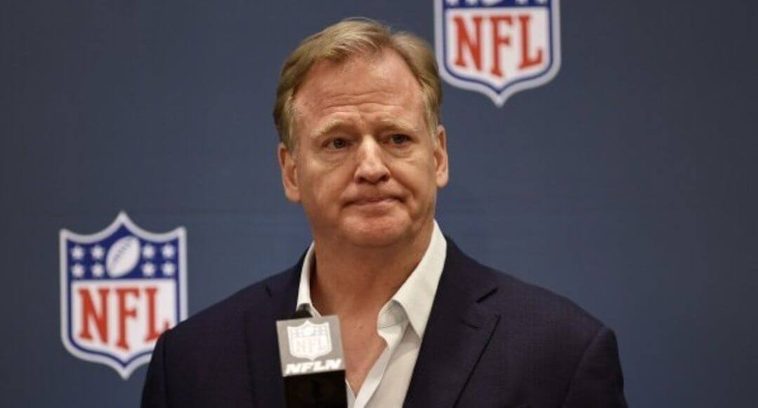
A key moment in the escalating dispute came when Congress formally invited Roger Goodell to testify at a June 10 hearing titled “Examining the Sports Broadcasting Act.”
Instead of appearing, Goodell declined and sent legal counsel in his place.
According to correspondence from NFL general counsel Ted Ullyot, Goodell was unavailable “due to ongoing litigation related to the topic of the hearing.”
That decision has drawn criticism from lawmakers who argue the commissioner was absent from a hearing directly tied to decisions made under his leadership—decisions involving more than $110 billion in broadcast rights across partners including ESPN and others.
Federal Scrutiny Expands Beyond Congress
The controversy is no longer confined to Capitol Hill.
The U.S. Department of Justice has already opened an antitrust investigation into the NFL following concerns raised by lawmakers, including Sen. Mike Lee. His office highlighted the rising cost burden on fans, with some estimates showing households spending nearly $1,000 annually just to follow games across multiple subscriptions.
Separate estimates from Forbes placed the cost of accessing every NFL game through streaming platforms at roughly $765 per season.
Federal Communications Commission Chairman Brendan Carr also weighed in earlier this year, warning that the league’s growing reliance on exclusive streaming deals may be eroding its traditional protections. He noted that fans are increasingly forced to subscribe to multiple services, including platforms like Netflix, Hulu, YouTube, and Google.
Shortly after those remarks, the DOJ officially opened its review.
A System Under Unprecedented Pressure
With simultaneous legal challenges unfolding in federal court, congressional scrutiny intensifying, and regulatory agencies now engaged, the NFL’s long-standing business structure is facing its most serious test in decades.
If the league were ever to lose its antitrust exemption, analysts suggest the entire balance of power could shift overnight—allowing individual teams to negotiate their own media deals, fundamentally reshaping professional football economics.
For now, however, the central question remains unanswered in Washington: whether a law designed in 1961 to protect a young league has evolved into a shield for a modern billion-dollar empire—and whether fans are the ones paying the price.
And as lawmakers wait for answers, one thing is already clear: the commissioner who helped build that empire is not eager to give them in person.

