
>> Continued From the Previous Page <<
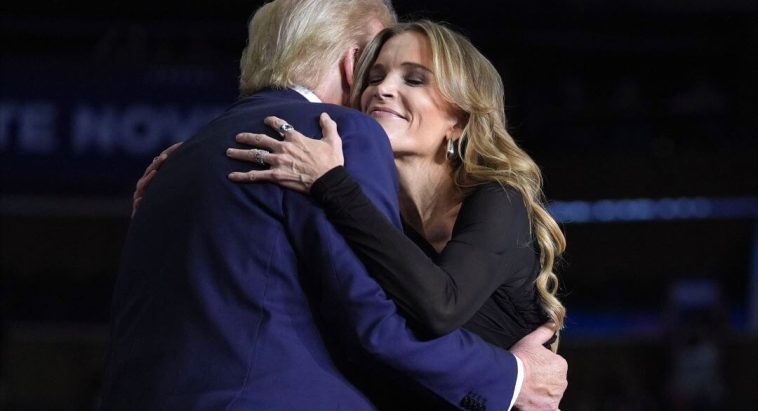
“This was created by Barack Obama,” Kelly said flatly. “Barack Obama is the one who started the practice of having his DOJ go after these big corporate interests and then extracting a settlement that they then had to pay.”
That statement cuts directly to one of the most controversial practices of the Obama administration.

During Obama’s presidency, the Department of Justice aggressively pursued massive settlements against major banks and corporations following the financial crisis. Billions of dollars were collected through negotiated agreements, but critics argued large portions of that money were steered toward outside activist organizations and politically connected nonprofit groups instead of directly compensating victims.
Conservatives blasted the arrangement at the time as a shadow funding pipeline for left-wing causes.
Even the editorial board of The Wall Street Journal famously labeled the operation a “slush fund shakedown” in 2016.
One of the most notable examples came when Bank of America agreed to a staggering $16.65 billion settlement with the federal government in 2014. Critics argued portions of those funds were routed into outside organizations selected through political influence rather than transparent congressional appropriations.
At the time, however, media outrage was almost nonexistent.
Kelly hammered that double standard during her remarks.
“Like so much of the stuff that Trump does that’s controversial that we may or may not love,” she said. “It started with Barack Obama, and the same media that’s now ripping Trump to shreds for doing it said nothing. Nothing.”
That silence is exactly what conservatives say exposes the real issue.
The debate, they argue, was never about protecting institutional norms or limiting executive power. It was about who was wielding it.
When Obama-era officials pushed aggressive legal theories, expanded federal authority, or weaponized administrative agencies, most establishment media outlets either defended the actions or ignored them altogether.
Now those same institutions suddenly present themselves as guardians of constitutional restraint the moment Trump uses similar mechanisms.
Trump’s proposed compensation system is also fundamentally different from the Obama-era settlement structure critics complained about.
Instead of extracting billions from private corporations and redirecting the money through politically connected channels, Trump’s proposal would reportedly create a five-member oversight board tasked with reviewing claims from Americans who believe they were unfairly targeted by politically motivated prosecutions.
Kelly described the structure directly on-air.
“We’re going to appoint a five-person board that Todd Blanche is going to appoint.”
That proposal would involve a formal review process overseen by Attorney General Todd Blanche appointees, with claim evaluations conducted through an established framework rather than backroom corporate settlement negotiations.
Supporters argue the move is aimed at Americans they believe were politically persecuted during the Biden-era DOJ crackdown, including former Trump adviser Steve Bannon, MyPillow founder Mike Lindell, and numerous Trump supporters investigated following the Capitol riot.
Kelly also tied the controversy into a broader pattern conservatives have pointed to for years.
She referenced the IRS targeting scandal involving former agency official Lois Lerner, where Tea Party organizations were subjected to heightened scrutiny during Obama’s presidency.
She also referenced the surveillance of the Trump campaign tied to the now-discredited Steele dossier, opposition research funded by Democrats that was later used in FISA warrant applications.
For many conservatives, those episodes represent genuine abuses of federal power that received dramatically softer treatment from legacy media outlets than anything connected to Trump.
Kelly summed up the frustration bluntly.
“When Barack Obama started it and was the one to cross the norm and create the new normal where our government officials do this to us.”
That argument is rapidly gaining traction among Trump supporters who believe the political establishment spent years expanding executive authority under Democrat administrations only to suddenly rediscover concerns about presidential overreach once Trump returned to power.
The same commentators who defended Obama-era DOJ activism are now presenting Trump’s proposal as unprecedented, even though many Americans remember exactly when Washington first began testing those boundaries.
And according to Kelly, that history is precisely what the media does not want voters thinking about right now.

