
>> Continued From the Previous Page <<
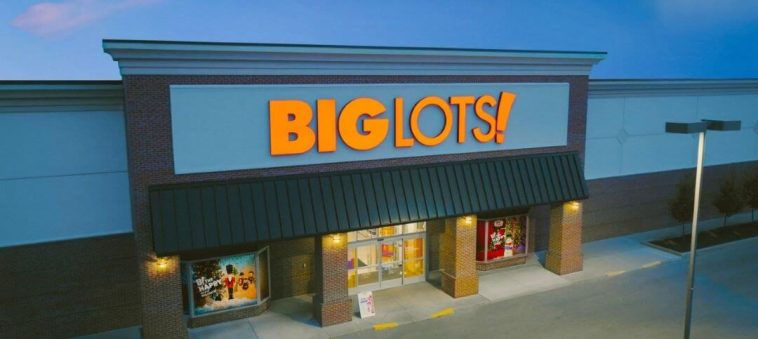
The company has been working with advisers from AlixPartners and Guggenheim Partners as they prepare for the bankruptcy and sale process. Big Lots is reportedly lining up a “stalking horse bid,” which allows an initial offer to be made with the potential for other bids to come forward if more attractive offers are presented during the sale process.
Though Big Lots will continue to operate under Chapter 11 bankruptcy protection, the company’s future remains uncertain as it navigates a difficult retail landscape. Many expect the company will close numerous stores, potentially putting thousands of jobs at risk.

The struggles faced by Big Lots are a reflection of the larger economic hardships that many low-income Americans are currently experiencing. Rising inflation, surging energy prices, and an overall increase in the cost of living have created a perfect storm for discount retailers like Big Lots, who rely heavily on customers with limited disposable income.
As one industry insider noted, “The retail market for low-income consumers is under tremendous pressure. When your target audience is struggling to pay bills, it becomes that much harder to maintain sales.”
Earlier this week, fellow discount chain Dollar Tree suffered its worst single-day stock decline since 2001, dropping 22% following disappointing second-quarter financial results. The company’s chief operating officer, Mike Creedon, did not mince words when he said, “Clearly, we are not pleased with our second quarter results or having to revise our full year outlook.”
Creedon attributed the company’s poor performance to “navigating through one of the most challenging macro environments we’ve ever seen,” as cited by Forbes.
Big Lots isn’t the only discount retailer feeling the effects of the economic downturn. Dollar General, another discount giant, recently announced plans to close hundreds of stores across the U.S. after seeing significant drops in sales. Like Dollar Tree, Dollar General has seen its stock plummet this year, with shares down 39%. Dollar Tree has fared even worse, with shares dropping 53%. Another major player, Five Below, has seen an even steeper decline, with shares down 65% in 2023 alone.
For consumers who depend on these stores for low-cost goods, the closures and financial struggles are alarming. Many Americans, especially those from lower-income households, rely on discount retailers for essential items. As these stores struggle to remain open, consumers are left with fewer affordable options, which exacerbates an already difficult financial situation for millions.
Brutal “Pocket Weapon” Stops Hearts (discounted for next 78)
The challenges facing Big Lots and other discount retailers are not isolated incidents but part of a broader economic crisis facing the U.S. economy. Inflation has hit record highs in recent years, energy costs have surged, and housing prices continue to climb. For many Americans, making ends meet has become increasingly difficult, and the struggles of discount retailers serve as a barometer of the larger economic health of the country.
As more and more companies like Big Lots face bankruptcy, the question remains whether the U.S. economy is heading toward a more significant downturn. While corporate giants with wealthy clientele continue to thrive, businesses catering to lower-income customers are being squeezed out, leaving both retailers and consumers in a precarious position.
As the holiday season approaches, discount retailers will need to find ways to survive and adapt, or they risk becoming the latest victims in an economy that shows no signs of stabilizing anytime soon. With Big Lots now on the brink, the future of discount retail remains uncertain.

