
>> Continued From the Previous Page <<
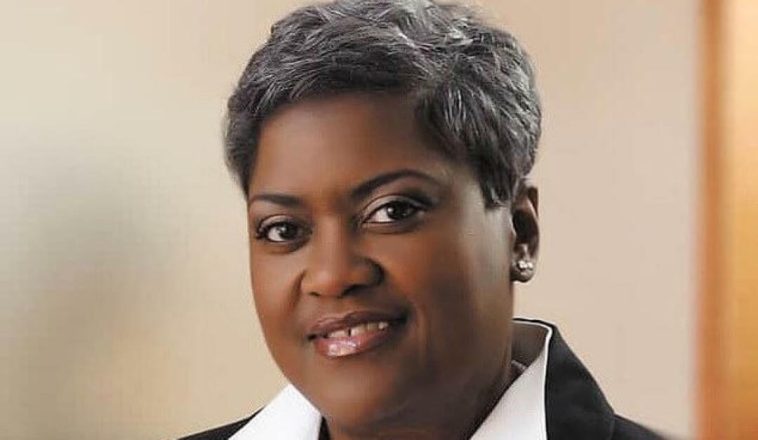
The sentencing, carried out by U.S. District Judge Steven D. Grimberg, handed down a prison term of seven years and three months to Robertson, to be followed by three years of supervised release. This sentencing not only reflects the severity of the crimes but also serves as a stern warning against the misuse of government-funded financial aid.
The U.S. Attorney’s Office of the Northern District of Georgia publicly condemned Robertson’s actions. U.S. Attorney Ryan K. Buchanan criticized the greed-driven exploitation of funds intended to aid small businesses during the COVID-19 crisis. He emphasized the ongoing commitment of law enforcement to prosecute those who misappropriate pandemic relief resources.

Supporting this stance, Kyle A. Myles, Special Agent in Charge of the FDIC Office of Inspector General, Atlanta Region, expressed satisfaction with the accountability enforced in this case. Myles reiterated the dedication of federal agencies to safeguard the integrity of financial institutions and pursue justice against those who jeopardize it.
Amaleka McCall-Braithwaite, Special Agent in Charge of the SBA OIG’s Eastern Region, also voiced strong opposition to actions that compromise the integrity of SBA’s programs. She acknowledged the collaborative efforts of various law enforcement bodies in addressing such fraudulent behaviors.
Adding a political dimension to the scandal, the New York Post highlighted an intriguing connection between Robertson and Fulton County’s legal circles. It was reported that Robertson contributed $1,000 to the primary election campaign of Fulton County District Attorney Fani Willis around the time the Covid funds were misappropriated.

Reveal the Biblical Wealth Protection Secret—Take Action Now to Secure Your Money!
The case of Shelitha Robertson serves as a stark reminder of the vigilance required in the administration of emergency financial programs. It underscores the importance of maintaining stringent oversight to prevent the exploitation of funds meant for those in genuine need during unprecedented times. This incident not only reflects on individual malfeasance but also casts a shadow on the ethical standards expected from public servants and legal practitioners alike.

