>> Continued From the Previous Page <<
The visuals are widely believed to have originated from Iranian sources and were likely generated using artificial intelligence. Despite questions about their authenticity, the footage made its way into American broadcasts.
Critics say networks knew—or should have known—the material was fabricated.

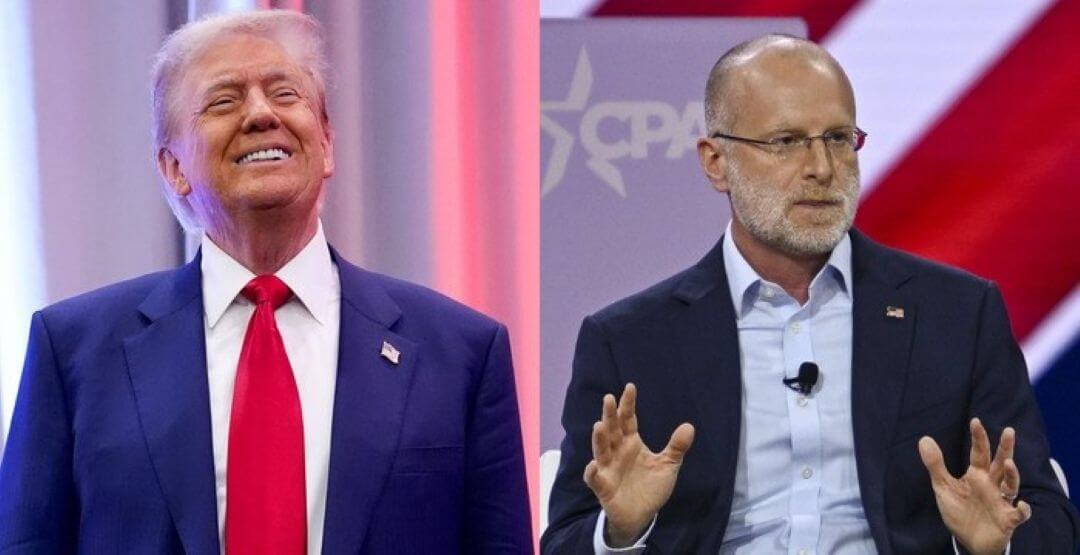
Former President Donald Trump didn’t hold back in his response.
“The story was knowingly FAKE,” Trump wrote on Truth Social Saturday.
“Those Media Outlets that generated it should be brought up on Charges for TREASON for the dissemination of false information.”
Shortly after, Carr issued a direct and unmistakable warning to broadcasters across the country:
“Broadcasters that are running hoaxes and news distortions – also known as the fake news – have a chance now to correct course before their license renewals come up. The law is clear. Broadcasters must operate in the public interest, and they will lose their licenses if they do not.”
By Sunday morning, Trump doubled down, signaling full support for the FCC’s actions.
“I am thrilled to see FCC Chairman Brendan Carr looking into the Licenses of corrupt and highly unpatriotic ‘news’ organizations,” he wrote.
“They get Billions of Dollars of FREE American Airwaves, and use it to perpetuate LIES.”
A Pattern of Controversy
This isn’t the first time major media organizations have come under scrutiny.
In a separate case, CBS faced backlash over an edited interview with Vice President Kamala Harris on 60 Minutes. Critics argued the segment was manipulated to obscure moments where Harris appeared unfocused or unclear.
Trump responded with legal action. Eventually, CBS’s parent company, Paramount Global, agreed to a $16 million settlement.
Meanwhile, affiliates tied to ABC reportedly pulled Kimmel’s show off the air after regulatory concerns were raised. Although the program later returned, insiders say the underlying warning from the FCC was impossible to ignore.
Another flashpoint occurred in San Francisco, where local station KCBS aired sensitive details about ICE agents during an active operation. Carr responded by launching a formal investigation.
The fallout was swift. The anchor involved was demoted, political reporting was scaled back, and internal editorial decisions became far more cautious. One notable example: veteran reporter Doug Sovern was reportedly blocked from interviewing California gubernatorial candidate Katie Porter over fears of politically sensitive remarks.
Even before any formal penalties were issued, the regulatory pressure appeared to change behavior inside the newsroom.
The Legal Ground Is Clear
At the heart of the issue is a longstanding legal requirement.
Since the passage of the Communications Act of 1934, broadcasters have been required to serve the “public interest” in exchange for access to the public airwaves. Those licenses are not permanent—they must be renewed, and they can be revoked.
In 1969, the FCC established that intentional news distortion violates that obligation.
Carr’s warning is rooted firmly in that precedent.
Major corporations such as Disney, Comcast, and Paramount all have significant business before the FCC, including mergers and regulatory approvals. With billions of dollars at stake, few executives are eager to test how far the agency is willing to go.
A Turning Point for Media Accountability?
The controversy surrounding the Iran-related coverage has intensified scrutiny of how information is verified—and why questionable material continues to reach the public.
Despite dramatic claims circulating on television, the USS Abraham Lincoln was never attacked, nor was it in danger. Military analysts widely agree that Iran has no intention of directly engaging such a heavily defended U.S. asset.
Yet the narrative gained traction—raising serious questions about editorial standards inside major newsrooms.
Supporters of the FCC’s actions argue that this moment represents long-overdue accountability.
For years, Trump has argued that networks abusing public airwaves to spread misinformation are not protected by the First Amendment when they violate federal licensing rules.
Now, with Carr signaling a willingness to enforce those rules, the stakes have changed.
Broadcast licenses come up for renewal in 2028. Between now and then, every major network will have to decide: adjust course—or risk losing access to the very airwaves that built their empires.
For the first time in years, it appears the warnings may carry real consequences.