
>> Continued From the Previous Page <<
The USCCB emphasizes that, for over sixty years, Congress has recognized refugee assistance and resettlement as not only a moral imperative but also essential to national interests. In 1962, responding to an influx of refugees fleeing communist regimes, Congress enacted the Migration and Refugee Assistance Act, authorizing funds to address “urgent refugee and migration needs.” This legislative framework laid the foundation for the U.S. Refugee Admissions Program, which facilitates the legal admission of individuals persecuted based on race, religion, nationality, or political opinion.
Central to this program is federal funding for domestic assistance in resettling newly arrived refugees, executed in partnership with private non-profit organizations. Rather than relying solely on private charities, Congress established it as U.S. policy to commit federal funds to promote opportunities for refugee resettlement, as articulated in the Refugee Act of 1980.

The suspension of these funds has left thousands of refugees in a precarious state. However, it’s imperative to consider the broader context. The previous administration’s lenient immigration policies led to a surge at the southern border, resulting in millions of unvetted illegal immigrants entering American communities. This influx overwhelmed law enforcement agencies, healthcare systems, and educational institutions.
In response, President Donald Trump signed Executive Order 14155, titled “Realigning the United States Refugee Admissions Program,” on January 27, 2025. This order suspended the U.S. Refugee Admissions Program (USRAP), halting the entry of refugees and freezing federal funding to organizations assisting them, including those already within the country. The suspension remains in effect pending a determination that resuming the program aligns with U.S. interests.
From the outset, President Trump has been unequivocal: America’s resources must prioritize its citizens before funding resettlement programs that have historically been plagued by inefficiencies. The executive order prompting this lawsuit aims to scrutinize and eliminate wasteful spending in foreign aid programs, particularly those that may incentivize mass migration.
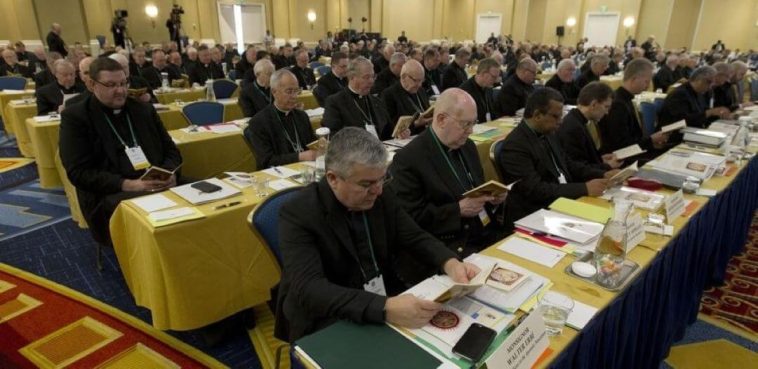
Despite the administration’s stance, the USCCB has chosen to challenge the funding suspension in court. Their legal argument posits that halting taxpayer-funded resettlement efforts violates federal law. This raises a pertinent question: Should charitable endeavors rely on government funding?
Just Released: Trump White House Collector’s Bobblehead!
The Catholic Church, recognized as one of the world’s wealthiest institutions, could potentially utilize its own resources to continue its mission of aiding refugees. Relying on American taxpayers to fund policies that may prioritize non-citizens over struggling U.S. communities invites a broader discussion on the allocation of resources and the responsibilities of charitable organizations.
This lawsuit not only highlights a legal dispute but also ignites a crucial debate about national priorities, the role of charitable institutions, and the most effective means to support both citizens and vulnerable populations worldwide.

