
Barrett also critiqued the majority for narrowing the interpretation of Section 1512(c)(2), emphasizing the broad scope intended by Congress and the discretion afforded to the Executive Branch in selecting cases to prosecute.
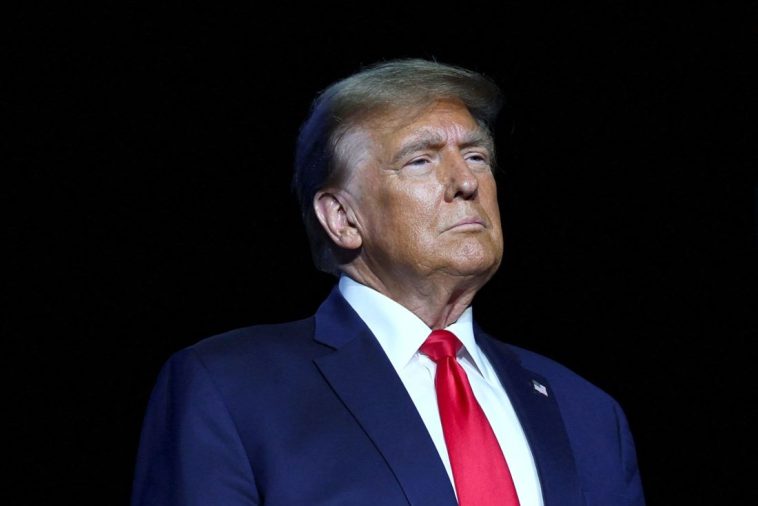
The implications of this decision for special counsel Jack Smith’s case against Trump remain uncertain. While the prosecutor is unlikely to drop charges accusing Trump of inciting violence, the ruling’s requirement that obstruction involves physical interference could bolster Trump’s defense. On January 6th, Trump was in the White House, as confirmed by aides’ testimonies before the congressional committee, and Trump has consistently stated that he called for peaceful protests and urged demonstrators to leave once the situation escalated.
This decision adds a new layer of complexity to the ongoing legal battles surrounding January 6th. Earlier this week, a bipartisan special committee in the House concluded that the original J6 committee had issued “illegitimate” subpoenas, including those for witnesses like Steve Bannon, who is due to report to jail by July 1st for defying the order.

Brutal “Pocket Weapon” Stops Hearts (discounted for next 78)
As this ruling reverberates through the legal system, it is poised to influence not only the sentences of those already charged but also the strategies employed in upcoming trials. The decision underscores the ongoing debate over the interpretation and application of laws in the context of unprecedented events like the January 6th riots.

