
Recent scrutiny surrounding Sandy Hook highlights a significant public discourse misstep. Notably, families of the Sandy Hook victims did not pursue legal action against Professor James Tracy, despite his contentious remarks regarding the tragic event. The dismissal of his request for a Supreme Court hearing underlines a critical misunderstanding: Tracy’s dismissal was not for his expressed views but for failing to disclose external activities, breaching his contractual obligations. This discrepancy invites reflection on the broader implications of free speech and contract adherence.
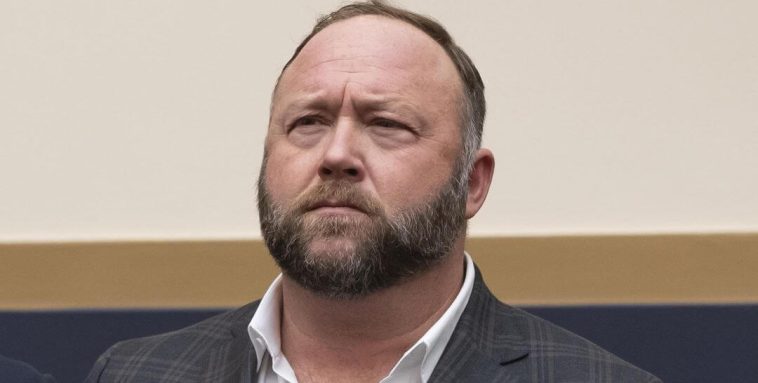
Alex Jones, a well-known media figure, cast doubt on the Sandy Hook narrative as it unfolded live, drawing attention to apparent lapses in official responses, notably an FBI agent’s unpreparedness at the scene—an admission made during Jones’s own trial. This agent, currently suing Jones, notably lacked the required FBI waiver to ethically profit from involvement in such cases. This incident raises questions about the interplay between ethical obligations and personal gain within law enforcement circles.
Did you see the new Trump Commemorative 2024 Gold/Red Bar? (Claim yours free today)

In response to Jacqueline Smith’s critique of Professor James Tracy, a strong rebuttal is necessary. Smith’s assertion that Tracy lacks a First Amendment right to “spew his nonsense” starkly overlooks the essence of free speech. The Founding Fathers staunchly defended the right to all forms of expression, irrespective of its popularity or acceptance. Smith’s stance not only misinterprets the fundamental rights enshrined by the First Amendment but also undermines the principle that free speech is essential for a dynamic and robust public discourse.
>> Click Here To Continue Reading <<

