
>> Continued From the Previous Page <<
With his death, the $15 million U.S. bounty was finally claimed. A short-lived victory celebration lasted roughly six hours.
Within hours of confirmation, CJNG commanders triggered a nationwide retaliation network. More than a dozen Mexican states were engulfed in chaos as cartel gunmen set vehicles ablaze, firebombed gas stations and businesses, and posted bounties of 20,000 pesos (about $1,100) on National Guard members.

Guadalajara, Mexico’s second-largest city and a 2026 World Cup host, became a ghost town overnight. Puerto Vallarta, a favorite destination for American tourists, saw smoke cloud the skyline as panicked travelers fled through the international airport. Delta, American, Alaska, and Air Canada canceled flights to both cities. Thousands of Americans were stranded.
Why Killing the CJNG Boss Makes Violence Worse
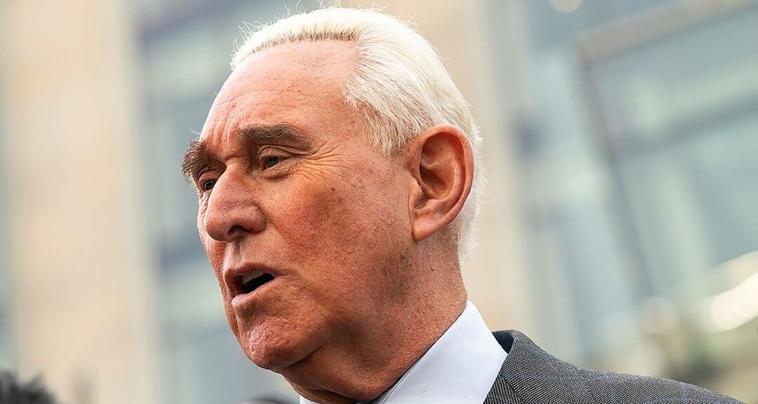
Stone laid out the consequences the day after the chaos on StoneZone, delivering an unvarnished assessment few in mainstream media dare to voice.
“Killing a cartel boss doesn’t end the cartel. It fragments it,” he wrote. And history proves him right.
After Pablo Escobar was shot on a Medellín rooftop in 1993, cocaine production didn’t vanish – it exploded as rival factions divided his empire. Similarly, when Joaquín “El Chapo” Guzmán was extradited in 2017, the Sinaloa Cartel splintered into warring groups, creating ongoing bloodshed.
CJNG now faces the same challenge. No clear heir exists, multiple commanders are vying for control, and the cartel’s distribution networks, meth labs, fentanyl pipelines, and corrupt police alliances remain intact.
Shelter-in-Place in Mexico and the Fentanyl Threat
February 22 demonstrated a harsh truth that politicians have long ignored: Mexico’s tourist zones, airports, and resort cities are not safe. Cartels choose where violence strikes.
CJNG deliberately targeted Guadalajara and Puerto Vallarta to leverage Mexico’s tourism revenue against the government. This is the reality of a narco-state up close. Meanwhile, during the Biden administration, the border was called “secure” even as CJNG flooded American communities with fentanyl, the leading killer of Americans ages 18 to 44.
White House Press Secretary Karoline Leavitt confirmed that U.S. intelligence supported the Tapalpa operation and noted that “President Trump has been clear the United States will ensure narcoterrorists face justice.”
Trump took decisive steps: designating CJNG a Foreign Terrorist Organization on day one of his presidency, classifying fentanyl as a weapon of mass destruction in December 2025, and directing his Joint Interagency Task Force to provide the intelligence that enabled soldiers to find El Mencho.
Stone’s bottom line is clear: “El Mencho is dead, the cartel war is alive, and anyone pretending otherwise is lying to the American people.”

