
>> Continued From the Previous Page <<
The comments came as a temporary three-day ceasefire between Russia and Ukraine officially went into effect. The truce, brokered with heavy involvement from President Donald Trump, is scheduled to last from May 9 through May 11.
The pause in fighting includes a complete halt to combat operations and one of the largest prisoner swaps since the war began, with both sides agreeing to exchange 1,000 prisoners of war.

Trump revealed earlier this week that he personally pushed both Putin and Ukrainian President Volodymyr Zelensky to accept the ceasefire arrangement.
The president framed the agreement as a possible first step toward ending one of the deadliest conflicts in modern Europe.
Trump described the war as “the worst thing since World War Two in terms of life” and said he hopes the short-term ceasefire evolves into something far bigger.
“I would like to see a big extension,” Trump said.
For now, however, Moscow is keeping expectations measured.
Russian officials have emphasized that the ceasefire is temporary and limited in scope. The Kremlin has also indicated that broader peace negotiations remain extremely complicated, despite the apparent progress.
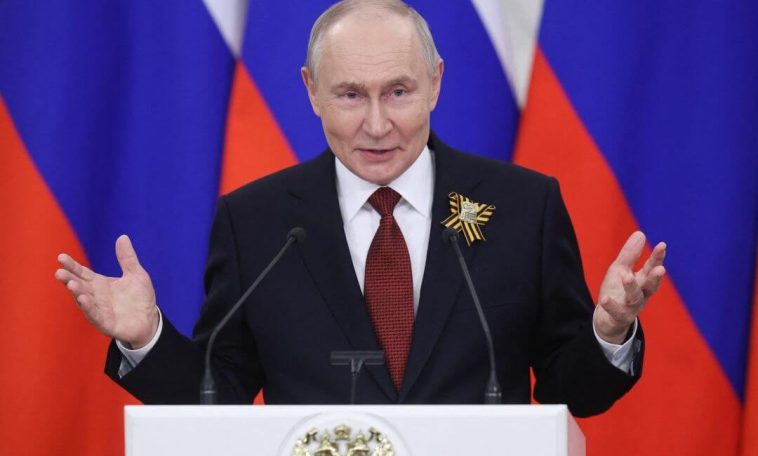
Even so, Putin’s tone appeared noticeably different from previous statements.
Rather than focusing exclusively on battlefield objectives, the Russian president openly discussed future diplomatic arrangements in Europe and hinted that negotiations may eventually produce a larger settlement.
Putin also suggested that direct talks with Zelensky would only happen after a long-term agreement is finalized, effectively positioning a face-to-face meeting as the final act of the peace process rather than the beginning.
At the same time, the Russian leader once again blasted Western governments over NATO expansion and accused foreign powers of “fueling confrontation” with Moscow.
In another eyebrow-raising moment, Putin reportedly identified former German Chancellor Gerhard Schröder as his preferred European intermediary for future negotiations.
That revelation immediately sparked debate across Europe, given Schröder’s long history of friendly relations with the Kremlin and his controversial ties to Russian energy interests after leaving office.
Meanwhile, Zelensky confirmed Ukraine’s participation in the ceasefire deal through a public statement on X.
The Ukrainian leader credited American mediation efforts for helping secure the agreement and said humanitarian concerns remain one of Kyiv’s top priorities.
Zelensky emphasized the importance of bringing Ukrainian prisoners home and instructed his government to move quickly on the exchange process.
He also thanked Trump and the American negotiating team for helping facilitate the arrangement.
According to the Kremlin, senior Putin aide Yuri Ushakov confirmed that discussions with the Trump administration played a central role in finalizing the deal.
Despite the optimistic rhetoric surrounding the ceasefire, major obstacles still remain.
Russia continues insisting that its broader strategic objectives in Ukraine have not changed. Ukrainian officials, meanwhile, remain deeply skeptical of Moscow’s long-term intentions and continue demanding guarantees backed by American oversight.
Still, after years of brutal trench warfare, devastating missile attacks, staggering casualty counts, and escalating fears of a wider global conflict, even a temporary pause in fighting is being viewed by many observers as a potentially historic development.
Whether this ceasefire becomes a turning point or simply another short-lived pause in a grinding war remains to be seen.
But Putin’s latest comments suggest something significant may finally be happening behind closed doors.

