
>> Continued From the Previous Page <<
Critics swiftly condemned the piece for its tone and focus. Donald Trump Jr. was among those who weighed in, lambasting MSNBC for what he called an indefensible take. “You literally can’t make up this level of depravity,” Trump Jr. wrote. “The guy is a murderer. He’s an illegal alien that killed an innocent young woman, but MSNBC would rather go to bat for him. However much you hate MSNBC it’s not enough!”
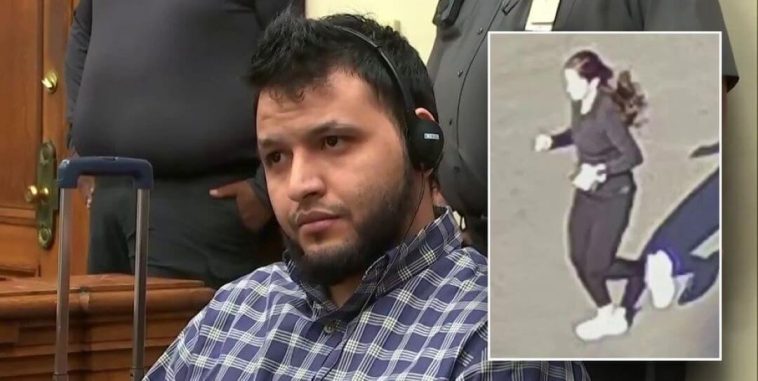
Cevallos argued that Ibarra’s decision to waive a jury trial and opt for a bench trial offered no advantage, as he was ultimately convicted by the judge. He also speculated that the judge’s decision to impose consecutive sentences, rather than concurrent ones, might have violated Georgia law, calling it “the best glimpse into the judge’s opinion of this defendant.” These claims infuriated readers, many of whom accused MSNBC of downplaying the heinousness of Riley’s murder.

One social media user blasted the article for “suggesting the killer was convicted for reasons other than he did it,” while others questioned the purpose of the piece altogether. “Are you somehow implying that the court proceedings were a sham? That he could in fact be ‘innocent’? Are we supposed to feel bad for him?” asked one outraged reader.
The backlash continued to pour in, with many readers on X (formerly Twitter) ridiculing both the headline and the article’s focus. One user remarked, “Disgusting article headline suggesting the killer was convicted for reasons other than he did it.” Another sarcastically noted, “X’s AI did a better job summarizing the facts of the case than Cevallos, a lawyer.”
Amid the growing criticism, Cevallos defended his article, writing on X, “The Jose Ibarra murder case was open and shut. Here’s why even the defense knew it.” But this explanation did little to quell the outrage, as readers continued to accuse MSNBC of prioritizing political narratives over justice for Riley.

What are the best concealed carry holsters for ultimate security?
The controversy underscores the tension between political narratives and journalism ethics. Many argue that by focusing on Ibarra’s lack of opportunity in court, MSNBC disrespected Riley’s memory and the justice her family sought. The choice to frame a convicted murderer as a victim of the system has only fueled the perception that media outlets like MSNBC are more concerned with political agendas than unbiased reporting.
As the debate rages on, one thing is clear: the public’s demand for justice and accountability, both in the courtroom and the newsroom, remains steadfast.

