
>> Continued From the Previous Page <<
What followed turned physical.
Hernandez was reportedly shoved into a fence, knocked to the ground, and struggled to regain her footing as tensions intensified. During the chaos, she could be heard pleading with those around her:

“Stop touching me!” she shouted. “Leave me, I am trying to leave!”
She later described injuries including scrapes and lingering pain in her neck and back.
Charges Filed… Then Dropped
Federal authorities initially responded swiftly. Within hours of the footage circulating online, the FBI launched an investigation. Prosecutors soon brought charges against three individuals identified as members of the same family: Christopher, Deyanna, and Paige Ostrouchko.
Officials accused them of assault and interfering with a federally protected activity, signaling a serious legal response. Acting Attorney General Todd Blanche made the government’s position clear at the time:
“Hernandez was allegedly surrounded, physically assaulted, and shoved to the ground – simply because she was identified by the defendants as a conservative journalist. That is NOT ‘peaceful protest.'”
Yet despite that strong language and the weight of federal charges, the case has now been abruptly dropped. No detailed public explanation has fully clarified the reasoning behind the decision, leaving observers questioning what changed behind the scenes.
A Family Pushes Back
The accused family had consistently denied wrongdoing. Deyanna Ostrouchko publicly claimed the confrontation had been mischaracterized, arguing that Hernandez initiated physical contact and that any response from her daughter was an act of self-defense.
Hernandez, however, disputed that narrative, pointing to video evidence she says clearly shows she was not the aggressor.
The conflicting accounts only deepened public scrutiny once the charges were dismissed.
A Message… Reversed?
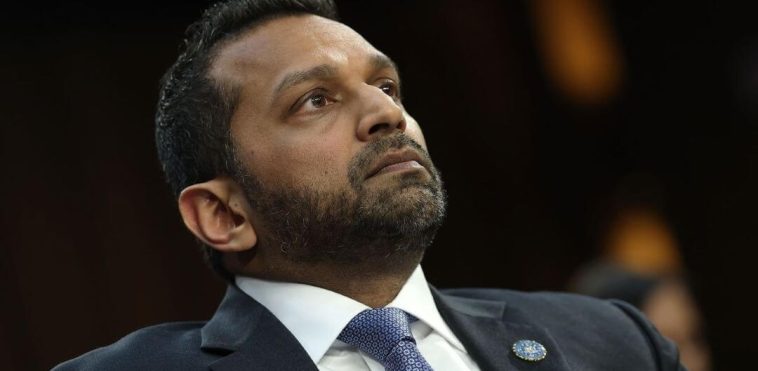
At the height of the investigation, FBI Director Kash Patel issued what many interpreted as a firm warning to those who target journalists based on political views.
“When video of individuals assaulting Savanah Hernandez surfaced, the FBI immediately engaged and led the investigation – today landing federal charges supported by our great partners at DOJ.”
He continued with a statement that resonated across the media landscape:
“Let this be a message to others who may try something similar that this FBI will find you and bring you to justice,”
That message now appears complicated by the outcome. Critics argue that dropping the case undermines the very deterrent federal authorities sought to establish.
Broader Concerns About Journalist Safety
The case has also revived comparisons to past incidents involving attacks on journalists, including the 2019 assault on Andy Ngo in Portland, where perpetrators largely avoided federal prosecution.
For many observers, the question is no longer just about one incident in Minneapolis. It is about whether reporters, particularly those with conservative affiliations, can operate safely in increasingly volatile protest environments.
The legal reversal in this case leaves that question unanswered—and for some, even more urgent.
As tensions between activists and journalists continue to rise, the outcome of this case may have lasting implications far beyond a single confrontation on a city street.

