
>> Continued From the Previous Page <<
What followed was chaos unlike anything Minneapolis had experienced in modern history. Riots erupted across the city. Businesses were looted and burned. Entire neighborhoods suffered devastating destruction while violent clashes with police dominated headlines for weeks.
Many residents and critics have never forgiven Frey for what they viewed as a weak and ineffective response during the crisis. Conservatives in particular have long accused the mayor of standing by while Minneapolis spiraled out of control.

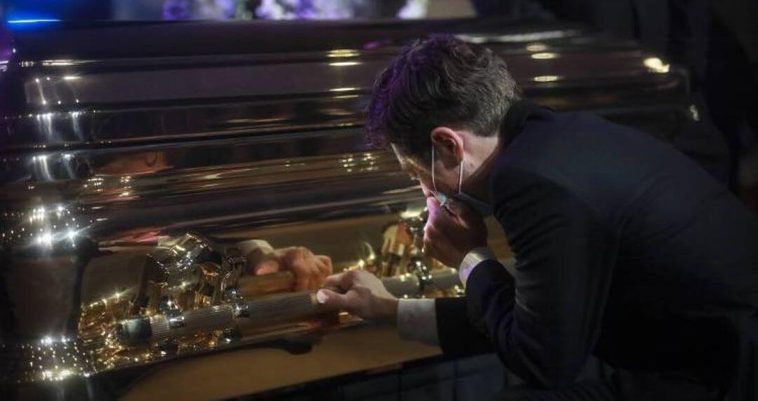
At the height of the unrest, Frey drew criticism for emotional appearances surrounding Floyd’s funeral while local business owners watched their livelihoods go up in flames. To this day, many Americans believe city leadership failed to restore order quickly enough during the riots.
Now, years later, Frey has once again found himself under fire.
On Memorial Day, the mayor posted a message on X commemorating Floyd instead of focusing solely on American veterans.
“Today, we remember George Floyd, who was murdered by a former Minneapolis police officer six years ago,” Frey wrote.
“That moment changed our city forever.”
The remarks immediately triggered backlash online, with critics accusing the mayor of politicizing a sacred national holiday.
Frey continued his statement by praising what he described as Minneapolis’s transformation since Floyd’s death, framing the city’s response as part of a broader effort involving race relations, policing reforms, and accountability.
“It forced Minneapolis to confront painful truths about race, policing, inequity, and trust — and demanded hard conversations and accountability,” Frey said. “Since Floyd’s murder, our city has been challenged not just to say we’ve changed, but to prove it.”
While Frey portrayed those developments as progress, many Americans strongly disagree. Opponents argue that Minneapolis — along with many Democrat-run cities across the country — has become less safe and more divided in the years following the riots and “defund the police” movement.
Crime concerns, declining trust in law enforcement, and political polarization remain major issues for residents. Critics say Frey’s latest post only reinforced frustrations many voters already have with progressive leadership in major American cities.
The mayor concluded his message by claiming the emotional scars from Floyd’s death still weigh heavily on Minneapolis and pledged to continue pushing the city “forward.”
“The weight of what happened is still with our city six years later – and the responsibility to keep moving forward together is too,” Frey wrote. “I know we can keep building a Minneapolis that is safer, more accountable, and more worthy of the people who call it home.”
But for many social media users, the timing of the statement overshadowed everything else.
Across X, critics unleashed fierce reactions, accusing Frey of disrespecting veterans and ignoring the true purpose of Memorial Day. Numerous users questioned why the mayor chose to center attention on Floyd during a holiday specifically dedicated to honoring fallen American troops.
Others pointed out that countless families across the country spent the day remembering loved ones who died in combat, making Frey’s comments feel even more disconnected from the solemn meaning of the occasion.
By Monday evening, the backlash had grown into another major political headache for the Minneapolis mayor — and a reminder that the wounds from 2020 remain far from healed for many Americans.

