
>> Continued From the Previous Page <<
Investigators allege that several entities exploited those loosened rules, filing claims for meals that were never served. In some cases, records showed massive discrepancies between reported numbers and reality. One location claimed to serve thousands of meals daily but saw only a handful of visitors. Another used fabricated attendance lists, with names allegedly generated from online tools rather than real children.
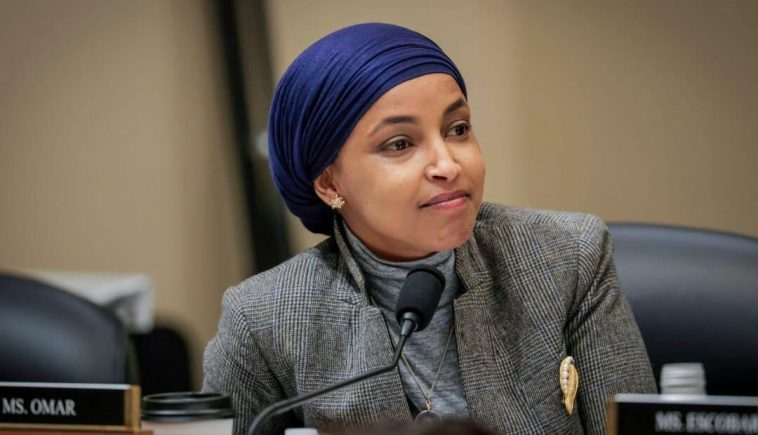
Minnesota state Rep. Kristin Robbins, who chairs the House Fraud Prevention and State Agency Oversight Committee, believes the scale of the scheme was not accidental. She pointed directly to Omar’s legislative knowledge and outreach efforts.

“The reason I believe it happened in such huge numbers in Minnesota,” Robbins said, “is because she knew what was in that bill when maybe other legislators didn’t. And she shared that information with her community, and they took advantage of it.”
During the hearing, lawmakers also reviewed a 2020 clip from Somali-language television in which Omar highlighted specific meal distribution sites, including Safari Restaurant. That business later became a focal point in the federal case. Its owner, Salim Said, was convicted on multiple counts, including fraud and money laundering, after allegedly billing millions for meals that were never delivered.
Said claimed his operation was feeding thousands of children daily. Prosecutors, however, painted a very different picture, describing inflated numbers and nonexistent beneficiaries. The gap between claims and reality became a key piece of the government’s case.
Republican lawmakers argue that Omar’s public promotion of the site, combined with her legislative role, raises serious questions. They say those questions should be answered directly before the committee.
“She didn’t even respond, ghosted us,” Robbins told Fox News Digital. “We’ve sent multiple emails, multiple letters, nothing.”
In addition to her legislative actions, the committee is also examining campaign donations Omar received from individuals later charged in connection with the scheme. A formal letter requesting clarification was sent earlier this month, with a deadline set for early May.
The controversy does not end there. Omar has also faced scrutiny over discrepancies in her financial disclosures. A previous filing indicated assets ranging from millions of dollars before being revised significantly downward. Critics have questioned how such a large error could occur, while Omar attributed it to an accounting mistake.
Meanwhile, federal authorities suggest the Feeding Our Future case may be only part of a broader issue. Kash Patel has described the prosecution as “just the tip of a very large iceberg,” signaling that additional investigations may be underway. Several Minnesota-based programs have already been flagged for potential fraud risks.
As the situation develops, Republicans argue that public accountability is essential, especially given the scale of taxpayer funds involved. For now, Omar’s absence from the hearing has only fueled further questions.
With deadlines approaching and pressure mounting, attention remains fixed on whether she will ultimately respond or continue to stay silent as the investigation unfolds.

