

>> Continued From the Previous Page <<
“The current management structure and staffing are insufficient to turn the tide within a reasonable period,” she wrote. “Defendants have consistently fallen short of the requisite compliance with court orders for years, at times under circumstances that suggest bad faith; and enormous resources… are not being deployed effectively,” according to ABC News.
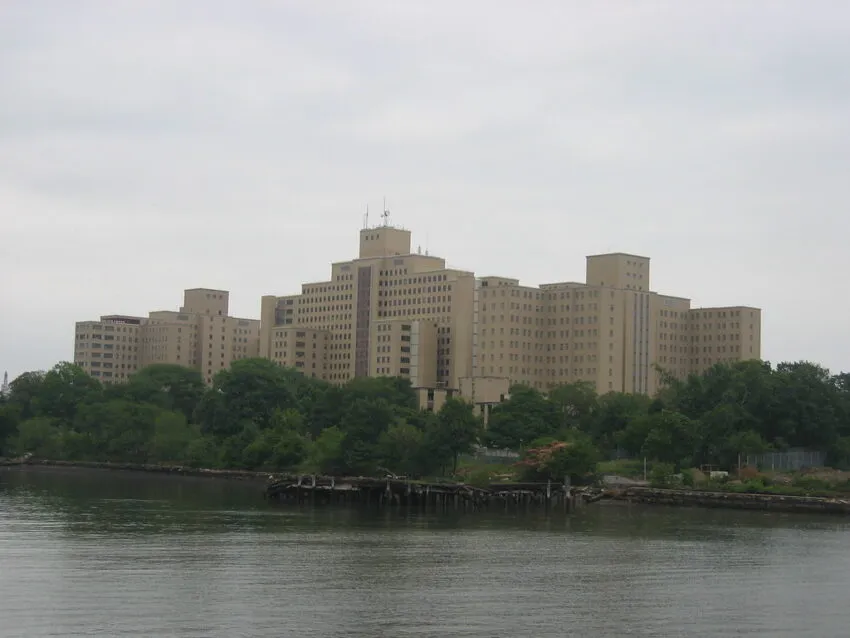
As a result, the judge will appoint a new court monitor — a manager who reports directly to her and has sweeping authority to correct the systemic dysfunction festering on Rikers Island. This appointee will still coordinate with the city’s jails commissioner but has been given expansive powers to implement change without political interference.

“While the necessary changes will take some time, the court expects to see continual progress toward these goals,” Judge Swain added, making it clear that this new chapter must not resemble the last nine years of stagnation.
For years, advocates have sounded the alarm about the horrors inside Rikers — from brutal violence and suicide to inhumane treatment and crumbling infrastructure. Despite years of headlines and court orders, real change never came. Now, the court is done waiting.
New York City Mayor Eric Adams attempted to deflect blame during a press conference, claiming the collapse of Rikers didn’t happen overnight. “Rikers’ problems were decades in the making,” Adams said.
He also pointed to a controversial legal mandate to shut down the jail by 2027 as a major roadblock for his administration. “It stated you can’t make any capital improvements on Rikers Island,” Adams said. “We can’t spend money on Rikers Island to improve the conditions.”
But critics weren’t buying the mayor’s excuses. Former city comptroller and current mayoral hopeful Scott Stringer praised the court’s decision, calling it a long-overdue intervention.
“For decades, Rikers has represented a systemic failure of multiple mayoral administrations — plagued by violence, neglect, and dangerous and inhumane conditions,” Stringer said. “While I applaud this decision, I do not view it as a victory; instead, it is a scathing indictment of our city’s failed leadership.”
The timing of this ruling is especially significant, coming just days after President Donald Trump called for the resurrection of Alcatraz as a no-nonsense solution for the country’s most dangerous criminals.
“No longer will we tolerate these Serial Offenders who spread filth, bloodshed, and mayhem on our streets,” Trump wrote in a Truth Social post. “That is why, today, I am directing the Bureau of Prisons, together with the Department of Justice, FBI, and Homeland Security, to reopen a substantially enlarged and rebuilt ALCATRAZ, to house America’s most ruthless and violent Offenders.”
He continued, “We will no longer be held hostage to criminals, thugs, and Judges that are afraid to do their job and allow us to remove criminals, who came into our Country illegally. The reopening of ALCATRAZ will serve as a symbol of Law, Order, and JUSTICE. We will, MAKE AMERICA GREAT AGAIN!”
In many ways, this ruling and Trump’s bold move signal two very different — yet equally damning — responses to the crisis of lawlessness and failure in major urban centers. As liberal city governments flounder under the weight of their own policies, federal courts and a tough-on-crime former president appear ready to step in and clean up the mess.

