

>> Continued From the Previous Page <<
But liberal activists — armed with shaky science and a globalist agenda — are pressuring the Biden administration to crack down. Their weapon of choice? A decade-old report from the World Health Organization’s International Agency for Research on Cancer (IARC), which called glyphosate “probably carcinogenic to humans.” That phrase, vague and alarming, has fueled a firestorm of lawsuits and regulatory chaos.
Critics fail to mention that the IARC never actually studied glyphosate’s real-world use. As Rep. Lamar Smith (R-TX) noted in a 2019 House Science Committee hearing:

“In its assessment, IARC did no direct evaluation of glyphosate’s effect on humans.”
In contrast, U.S. regulators have spent decades doing just that. The Environmental Protection Agency (EPA), after multiple scientific reviews, has made its stance crystal clear. “[EPA] found that there are no risks of concern to human health when glyphosate is used in accordance with its current label,” the agency said.
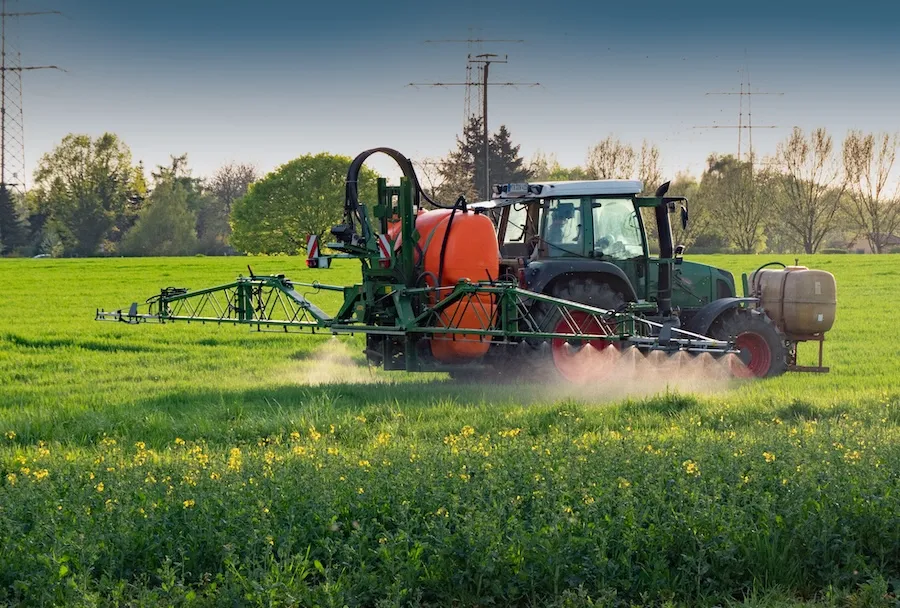
The EPA doubled down in 2020 after hearing from the public, issuing an interim decision affirming that the herbicide remains safe when used correctly. While it noted some ecological concerns from spray drift, it concluded that the benefits still outweigh the risks — especially when proper label instructions are followed.
So why are Democrats and their media allies still pushing for a ban? Farmers say it’s pure politics — not science. The left’s obsession with environmental extremism is clouding common sense, and now rural America is stuck paying the price.
Raise a Toast with the Bulletproof Trump Whiskey Glass – A Patriotic Statement Piece
Over 1,500 studies spanning five decades have shown that glyphosate, when used properly, poses minimal risk to humans. Still, lawsuits and regulatory delays are keeping farmers in limbo — even as they struggle with soaring costs, labor shortages, and unpredictable weather.
For those who work the land, this isn’t some academic debate. It’s a fight for survival.
To them, glyphosate is not a luxury. It’s a necessity. Without it, crop yields could plummet. Weeds would overrun fields. Food prices would skyrocket. And the very people Washington claims to defend — working-class families — would suffer the most.
The threat of a glyphosate ban isn’t just an attack on a chemical. It’s an attack on American farmers. And make no mistake — the consequences could ripple across every grocery aisle in the country.
Everyone’s got an opinion — the bureaucrats, the scientists, the lawyers. But the people who actually feed the nation are begging to be heard. Washington should listen before it’s too late.

