
>> Continued From the Previous Page <<
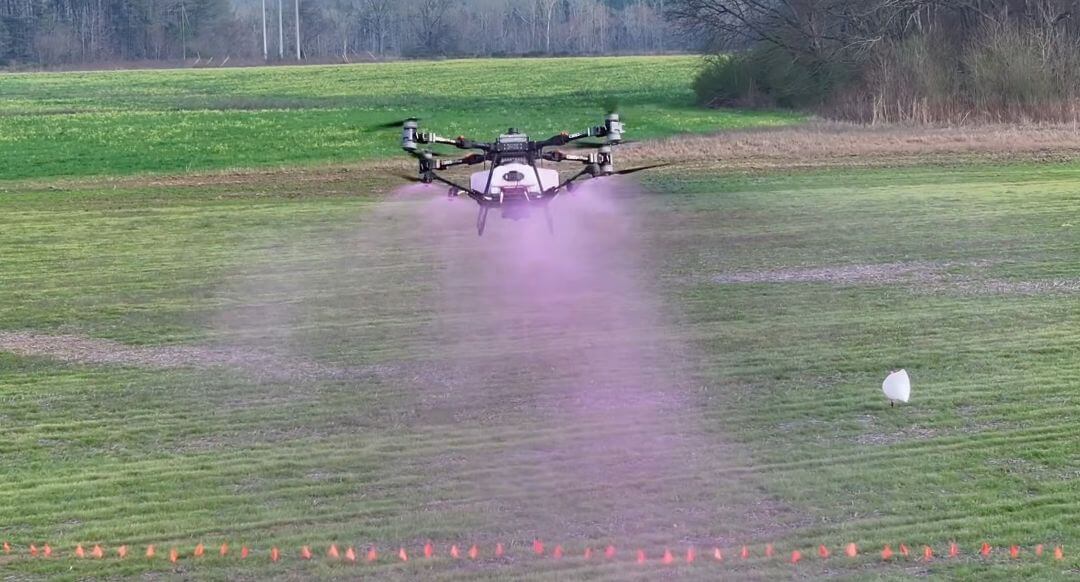
Each unit of the Ceres Air C31 is valued at approximately $58,000, bringing the total loss to roughly $870,000. These are not consumer-grade drones. They are industrial-scale agricultural sprayers designed to carry up to 40 gallons of liquid and distribute it over large areas efficiently and rapidly. In the wrong hands, their capabilities raise serious security concerns.
The theft went unnoticed until authorities began tracing the missing shipment. On April 27, nearly a month later, all 15 drones were recovered at Prudent Corporation in Dover, New Jersey. The recovery was carried out by the New Jersey State Police Cargo Theft Unit, with assistance from Homeland Security Investigations and U.S. Customs and Border Protection. Officials have confirmed that the investigation remains ongoing.

Law enforcement sources have privately described the operation as unusually sophisticated. One individual familiar with the federal response said agents consider it “one of the most highly sophisticated thefts agents have seen in a long time.” The implication is clear: this was not a random crime of opportunity, but a carefully planned exploitation of logistics procedures.
Former FBI agent Steve Lazarus highlighted why the case has drawn such concern from investigators. He explained, “Even common chemicals, used improperly, can be a public safety danger,” he said. “Throw in the Internet recipes for biological and chemical weapons that anyone with a Tor browser has access to, and this is a potential nightmare scenario. These aren’t hobby drones with cameras. They’re industrial sprayers designed to carry and disperse significant amounts of liquid quickly and with precision.”
His warning underscores the broader issue: the concern is not just theft, but potential misuse of equipment designed for mass chemical distribution.
The U.S. Army has previously examined this emerging risk. In a 2020 report, military analysts warned that commercially available agricultural drones could be repurposed for malicious applications. The report stated that drone-based chemical or biological warfare platforms are “a definite possibility, especially for developing nations.”
That assessment, written years before this New Jersey incident, is now being revisited by security experts who see a troubling overlap between commercial technology and potential weaponization.
Lazarus also emphasized the federal response, stating bluntly: “The bureau is freaked out for a good reason.”
Investigators believe the sophistication of the scheme lies not only in the forged document itself, but in the understanding of logistics systems. Whoever orchestrated the theft appeared to know how cargo release procedures work, which companies verify documentation thoroughly, and where procedural weaknesses exist.
In other words, the operation suggests planning, reconnaissance, and familiarity with supply chain vulnerabilities rather than improvisation.
The successful recovery of all 15 drones is being credited to rapid coordination between state and federal agencies. New Jersey State Police, DHS-linked investigators, and federal border authorities worked together to track and seize the stolen equipment within five weeks.
Still, serious questions remain unanswered.
How did a professional logistics operation accept a fraudulent bill of lading without verification strong enough to prevent the release of nearly a million dollars in specialized equipment? And perhaps more importantly, who was behind the operation—and what was their intended use for the drones?
These questions are especially urgent given heightened attention on drone activity in New Jersey over the past year, which previously prompted congressional scrutiny and federal task forces. Officials had largely reassured the public that most reported sightings involved hobbyists or misidentified aircraft.
This case, however, is different. It involves verified theft, industrial equipment, and a method that exploited procedural trust in the shipping industry.
While authorities have recovered the drones, investigators continue working to identify those responsible. The equipment is back in secure hands. The individuals who orchestrated the theft, however, have not yet been publicly identified.
And as federal investigators continue to piece together the timeline, one concern remains at the center of the case: if a forged document can successfully move nearly $900,000 in industrial technology without immediate detection, what else could slip through the cracks of America’s supply chain security?

