
>> Continued From the Previous Page <<
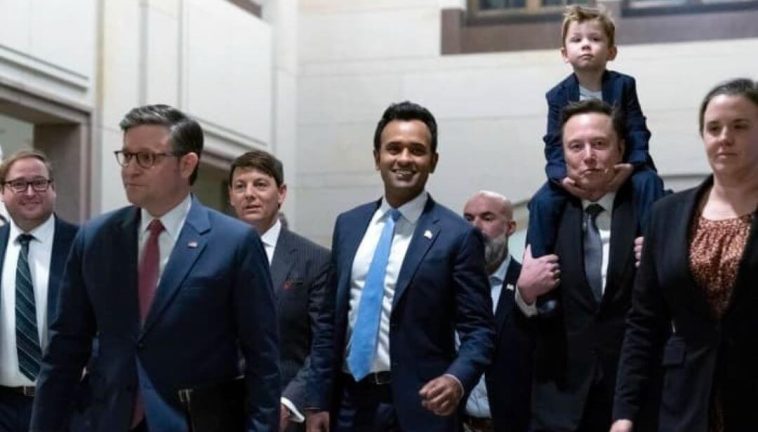
In line with their mission, Ramaswamy took to X (formerly Twitter) to highlight the issues with the CR, stating, “Currently reading the 1,547-page bill to fund the government through mid-March. Expecting every U.S. Congressman & Senator to do the same.”
Musk amplified Ramaswamy’s criticism by reposting his statement and bluntly adding, “This bill should not pass.”

Congress Faces Backlash Over Bloated Spending Bill
The rushed timeline for the CR vote has sparked outrage among lawmakers and watchdogs. Members of Congress are unlikely to fully read the sprawling bill before casting their votes, raising questions about accountability and transparency.
Rep. Lauren Boebert (R-CO) made her position clear, saying she’s a “Hard NO!!” on the bill. Musk also criticized provisions that include a 40% salary increase for members of Congress, pushing their annual pay close to $250,000.
Judicial Watch President Tom Fitton highlighted another controversial element: the CR allows lawmakers to leave Obamacare plans for the more generous Federal Employees Health Benefits Program (FEHBP). Fitton tweeted, “Rules for thee…” calling out the hypocrisy of special privileges for politicians.

“The Swamp First, Americans Last”
Conservative voices argue the CR reflects a recurring pattern of fiscal irresponsibility in Washington. Rep. Andy Biggs (R-AZ) condemned the bipartisan push to avoid a government shutdown, stating, “We have a structural deficit that keeps a mounting national debt going.” He added, “This bill keeps spending money out the wazoo for another three months.”
Rep. Eric Burlison (R-MO) echoed the sentiment, labeling the bill a “total dumpster fire.” Meanwhile, Rep. Nancy Mace criticized the annual “manufactured ‘government shutdown’ crisis,” accusing her colleagues of using it to pack spending bills with wasteful projects. “We do this every year,” she posted on X, “taking us further into debt.”
What are the best concealed carry holsters for ultimate security?
The Path Ahead
As criticism mounts, the CR remains a contentious issue among conservatives and fiscal watchdogs. Musk and Ramaswamy’s opposition highlights the growing frustration with Washington’s inability—or unwillingness—to tackle the nation’s ballooning deficit. Their call for transparency and reform underscores their commitment to delivering the structural changes DOGE was created to achieve.
Whether Congress will heed their warnings or push through yet another bloated spending package remains to be seen. One thing is clear: the fight over fiscal responsibility is far from over.

