
>> Continued From the Previous Page <<
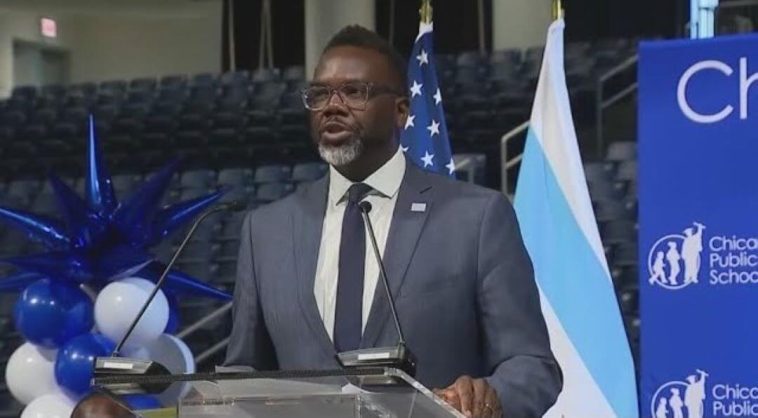
During the executive order signing ceremony, Johnson made no effort to mask the racial agenda. He made it crystal clear that the reparations program is aimed exclusively at benefiting Black Chicagoans.
“Our way will bring to Black residents in reclaiming ownership of our own communities. That is the spirit of Juneteenth, you all. It is about reflecting on our past. Other cultures are taught to never forget.
“We need to be reminded as Blacks here in Chicago and America, remembering our past and working towards a more just future. Investing in Black is not a criminal act. Says she need a witness, so I’m going to say it again. Investing in Black is not a criminal act.”
WATCH:
These statements leave no room for interpretation. The mayor is pushing a policy rooted in racial favoritism, regardless of present-day context or need.

The program, according to a press release, is expansive—and divisive. Among the major initiatives being rolled out by Johnson’s Reparations Task Force:
- Taxpayer-funded housing subsidies exclusively for Black residents
- Economic development grants directed solely to Black-owned businesses
- Race-focused health and education programs that prioritize one racial group
- Citywide hearings to collect grievances and testimonies of historic “harm”
- An official “re-education” campaign aimed at reshaping how all Chicagoans view race and history
It’s a sweeping government push that appears more focused on race-based entitlement than equal opportunity. Many critics are sounding the alarm, calling the program unconstitutional and divisive.
This executive order raises serious questions: Should public funds be distributed based on race? Can unity ever be achieved through segregationist policies in disguise?
Rather than investing in all struggling communities across Chicago—many of which include people of every background—Mayor Johnson has chosen to turn city governance into a racial litmus test.
This isn’t the first time Johnson has championed radical progressive causes, but this latest initiative may be the most extreme yet. Chicago residents now face the reality of their tax dollars being used to fund race-exclusive programs, while countless families of other races continue to suffer under the city’s crumbling infrastructure, rising crime, and economic decline.
One thing is clear—Mayor Johnson’s so-called “Black Reparations Agenda” has nothing to do with justice and everything to do with politics. And Chicagoans of all backgrounds will be left to deal with the consequences.

