
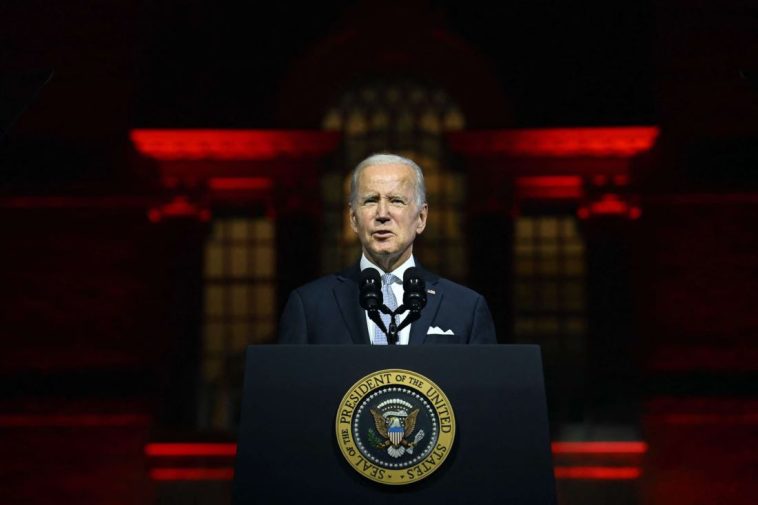
A particular snippet from the documents shows the DHS’s troubling stance: “We should be more worried about these,” referring to individuals who are in the military or are religious. This suggests a targeted approach, using these attributes to tag people as potential extremists, thereby justifying surveillance on them.

This revelation aligns disturbingly with President Trump’s often-repeated phrase, “they’re not after me, they’re after you.” The implications of these documents are profound, painting a grim picture of how political affiliations and personal beliefs might subject ordinary Americans to government scrutiny.
Carry 46 rounds concealed? (comfortably)

This ongoing series from AFL continues to shed light on the secretive operations within the DHS under the Biden administration, raising critical questions about the balance between national security and the erosion of civil liberties. The public’s reaction to these revelations remains to be seen, but they undoubtedly underscore a growing concern about privacy, freedom, and the role of government in the lives of its citizens.

