

>> Continued From the Previous Page <<
Dr. Nesheiwat earned respect for her strong support of COVID-19 vaccinations and masking protocols but alienated some conservatives who viewed these measures as excessive. Her endorsement of social media platforms censoring vaccine skeptics added to the backlash. At the time, she defended these strategies as “necessary tools to protect public health.”
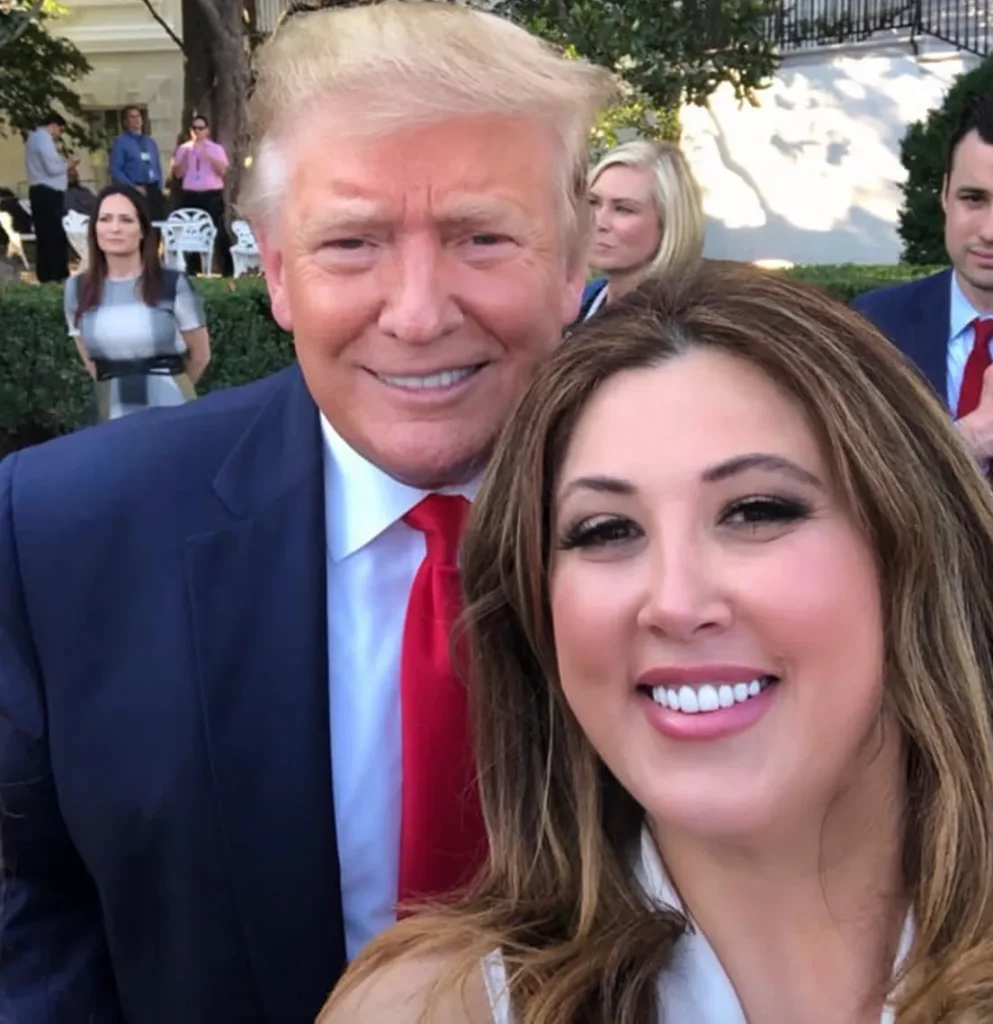
In an effort to mend relations with critics, Nesheiwat has since acknowledged mistakes in some of the policies she supported. “As more data came in, it became clear that some policies were not in the best interest of all Americans, particularly our children,” she admitted.

Despite her attempts to reconcile with skeptics, her earlier decisions continue to raise concerns among some in Trump’s base, who question whether she fully embraces the principles of individual freedom and limited government.
Adding to the controversy is the reemergence of a tragic accident from Nesheiwat’s youth. According to reports, a 13-year-old Nesheiwat accidentally caused her father’s death in 1990. The incident occurred in the family’s Orlando home when she was searching for scissors in her father’s room.
While rummaging through a fishing tackle box, a loaded handgun reportedly tipped over and discharged. The bullet struck her father, who was asleep, in the head. He passed away the next day. Authorities ruled the shooting a freak accident, and Nesheiwat was not charged.

The tragedy profoundly influenced Nesheiwat’s life and career path. In her 2017 memoir, Beyond the Stethoscope, she described the loss as a pivotal moment that motivated her to pursue a career in medicine. She wrote, “When I was 13 years old, I helplessly watched my dear father dying from an accident as blood was spurting everywhere. I couldn’t save his life.”
What are the best concealed carry holsters for ultimate security?
“This was the start of my personal journey in life to become a physician and enter the world of healing arts,” she added. The memoir does not reference her involvement in the accident.
For critics, the resurfacing of this childhood tragedy is yet another factor casting doubt on her suitability for the Surgeon General role. While many acknowledge that the incident was a tragic accident, some argue it raises questions about her decision-making and her readiness to lead on matters of public health.
As Dr. Janette Nesheiwat’s nomination moves forward, the conversation surrounding her life, career, and past actions is unlikely to fade. For Trump supporters and critics alike, her story is a reminder of the complexities that shape public figures and the challenges they face in stepping into the national spotlight.

