

>> Continued From the Previous Page <<
A Series of Questionable Decisions
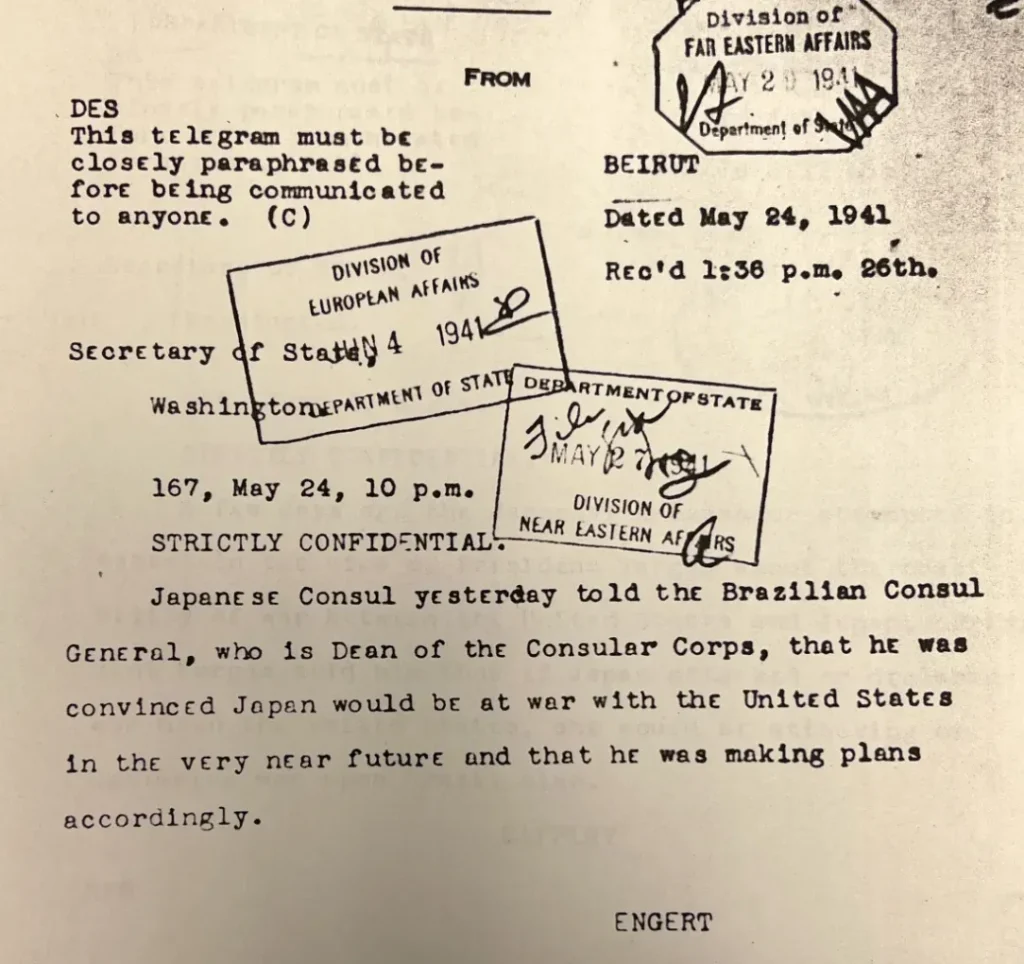
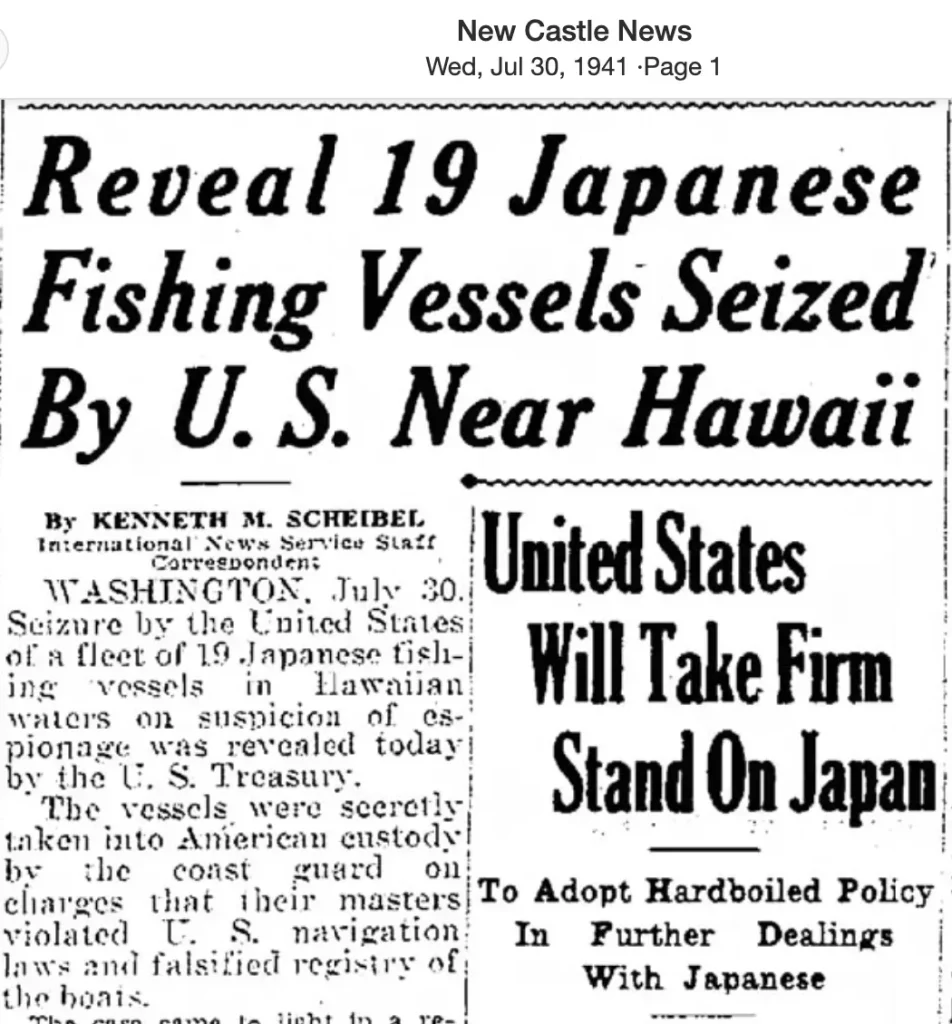
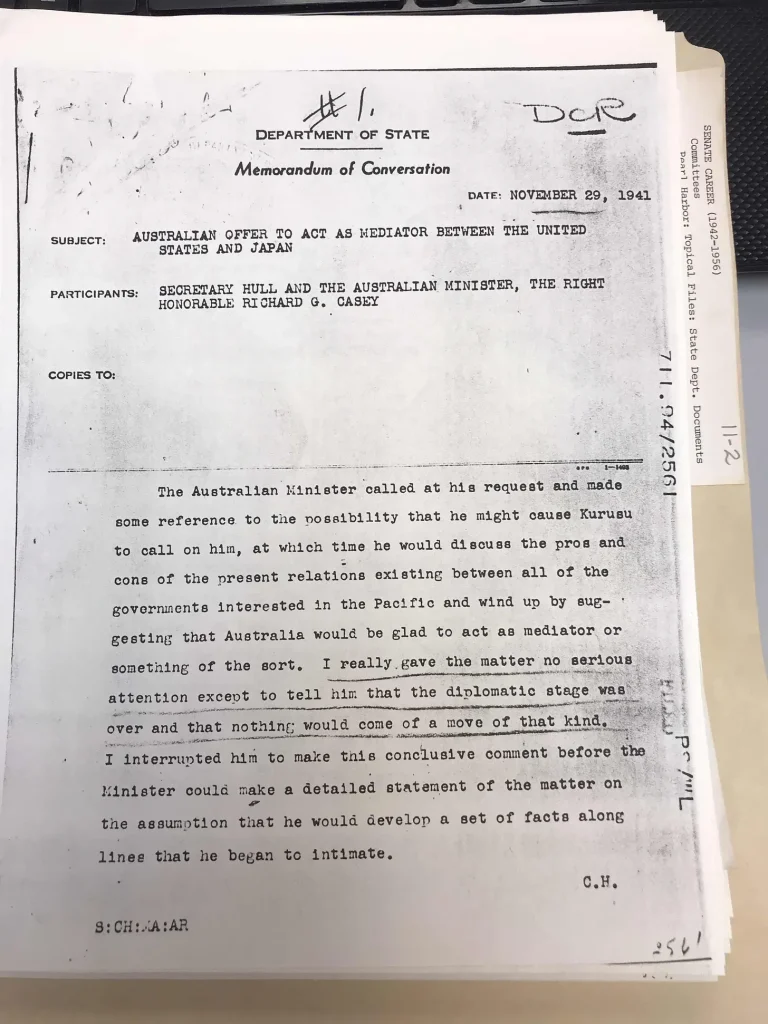
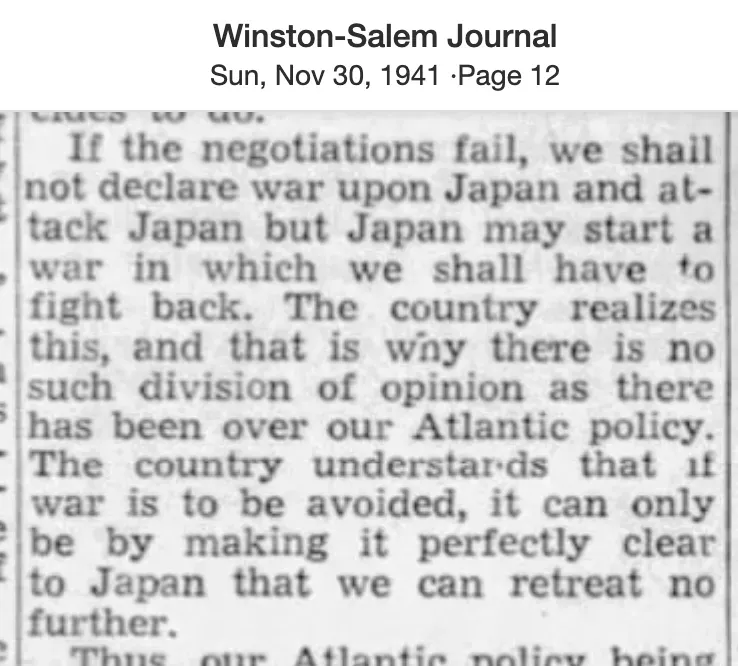
Several puzzling decisions compounded the risks. In July 1941, Roosevelt ceased oil and steel exports to Japan, intensifying tensions. At the same time, Japanese diplomats openly hinted at impending war, yet Washington dismissed opportunities to negotiate peace. By the fall, Japanese fishing vessels suspected of espionage were seized, and commercial Pacific sea lanes were cleared, seemingly paving the way for an unimpeded Japanese naval advance.
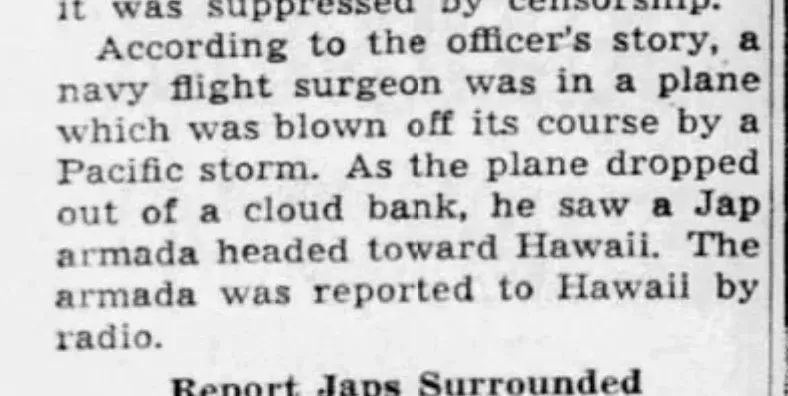
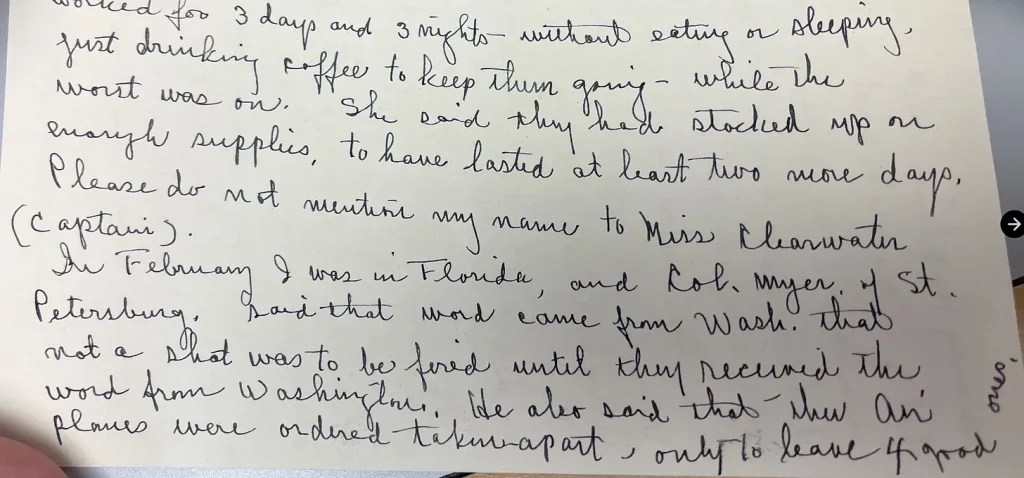
Evidence from witnesses and officials paints a picture of deliberate inaction. For instance, Lt. Cmdr. Robert D. Ogg tracked the Japanese fleet’s movements days before the attack, sharing updates with the Roosevelt administration. Yet, no countermeasures were ordered. Naval intelligence officers operating radar on the morning of the attack detected the incoming planes but were dismissed with orders to “not worry about it.”

The Aftermath: A Convenient Justification for War?
Gold at $2,600… But This Stock Gives You More for Under $20
Critics have long argued that Roosevelt sought to bring the U.S. into World War II to support Allied forces against Germany. The attack on Pearl Harbor provided the necessary public outrage to declare war. Historian Robert Stinnett’s groundbreaking book Day of Deceit revealed memos suggesting an active effort by the Roosevelt administration to provoke Japan into striking first. Stinnett noted, “Roosevelt knew. And he could have done anything to stop it. But he didn’t want to stop it. He wanted to use it.”
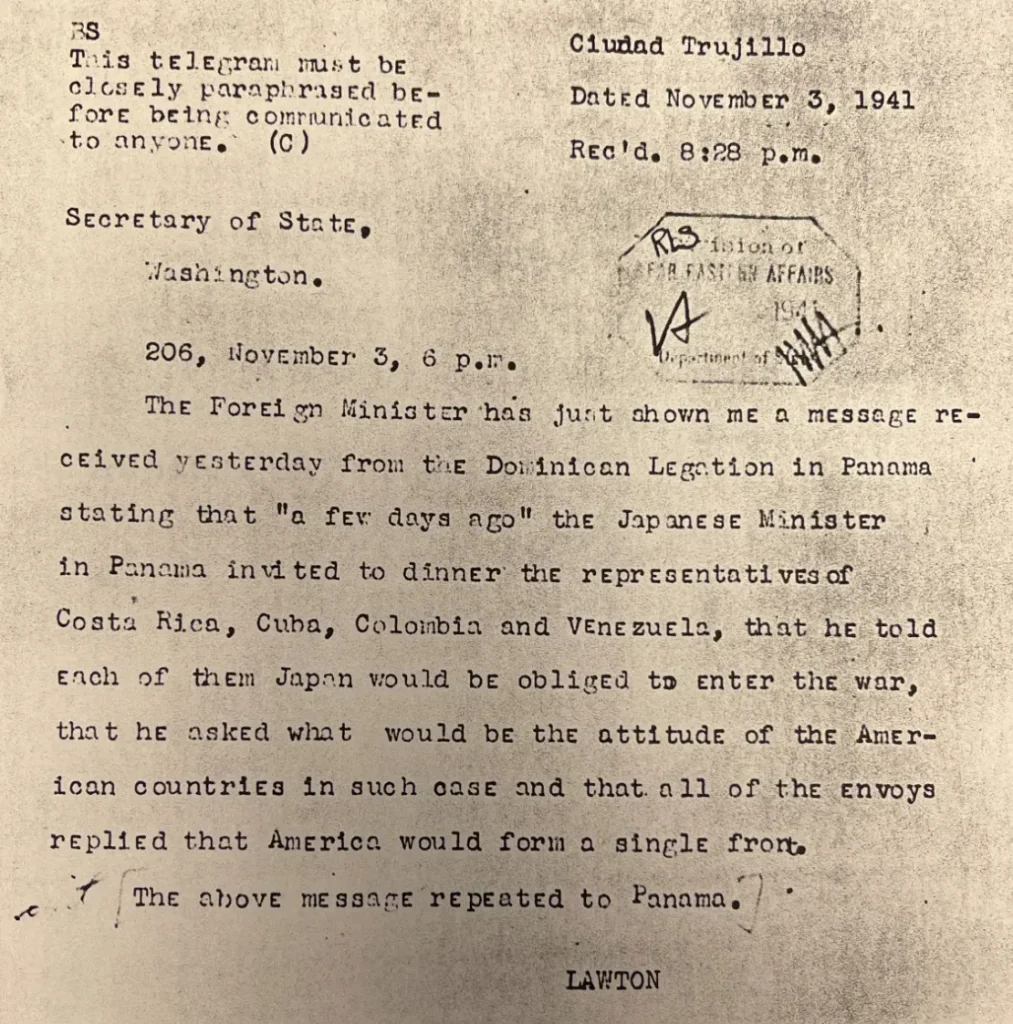
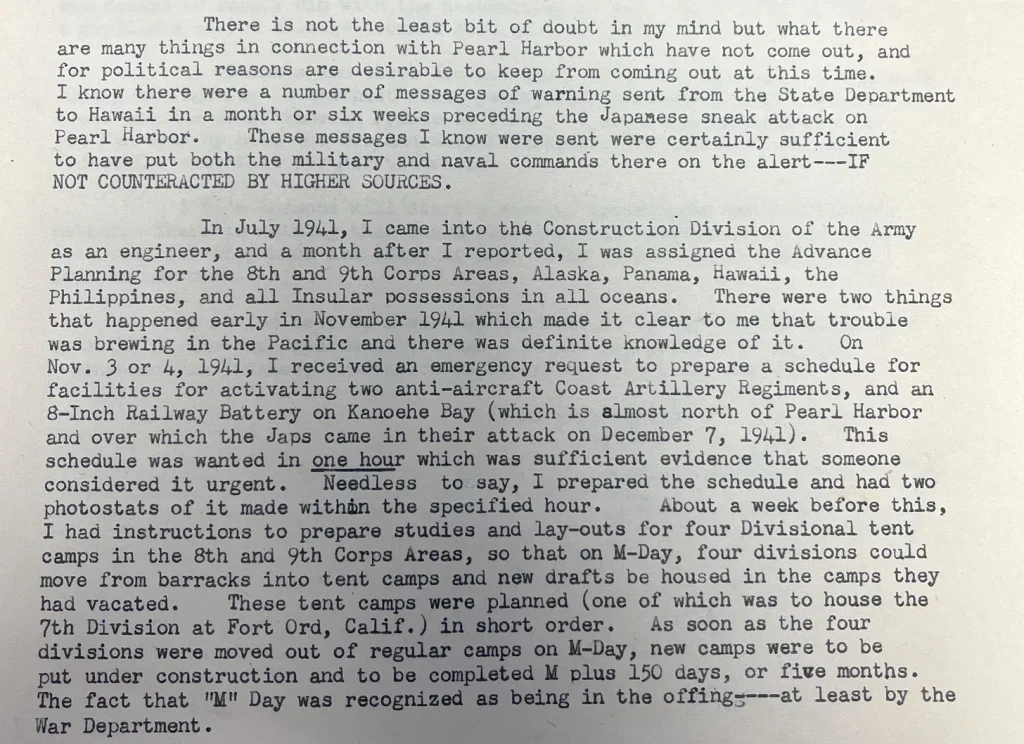
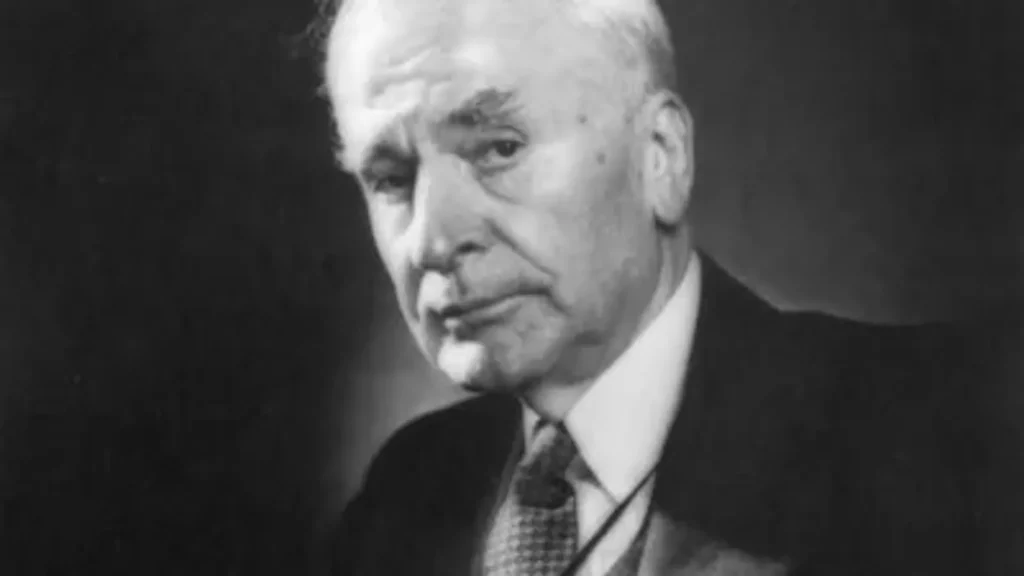
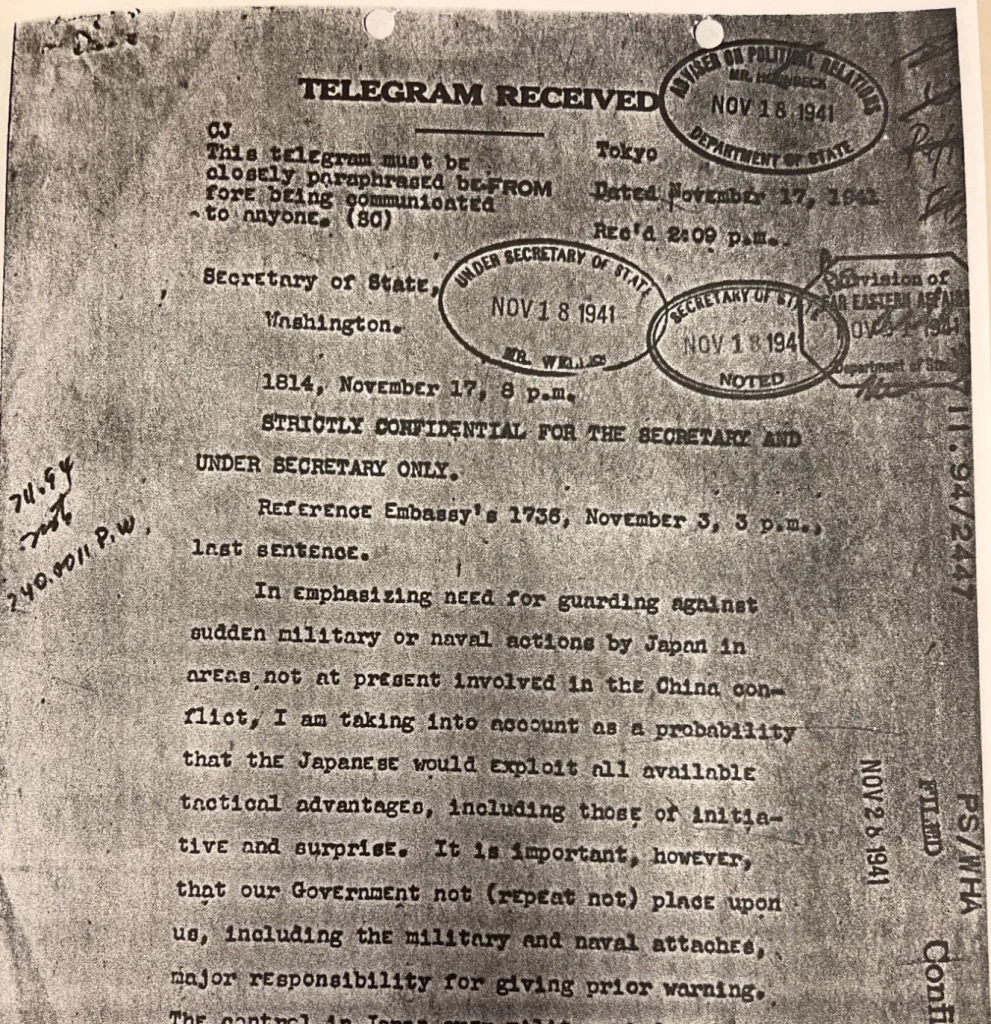
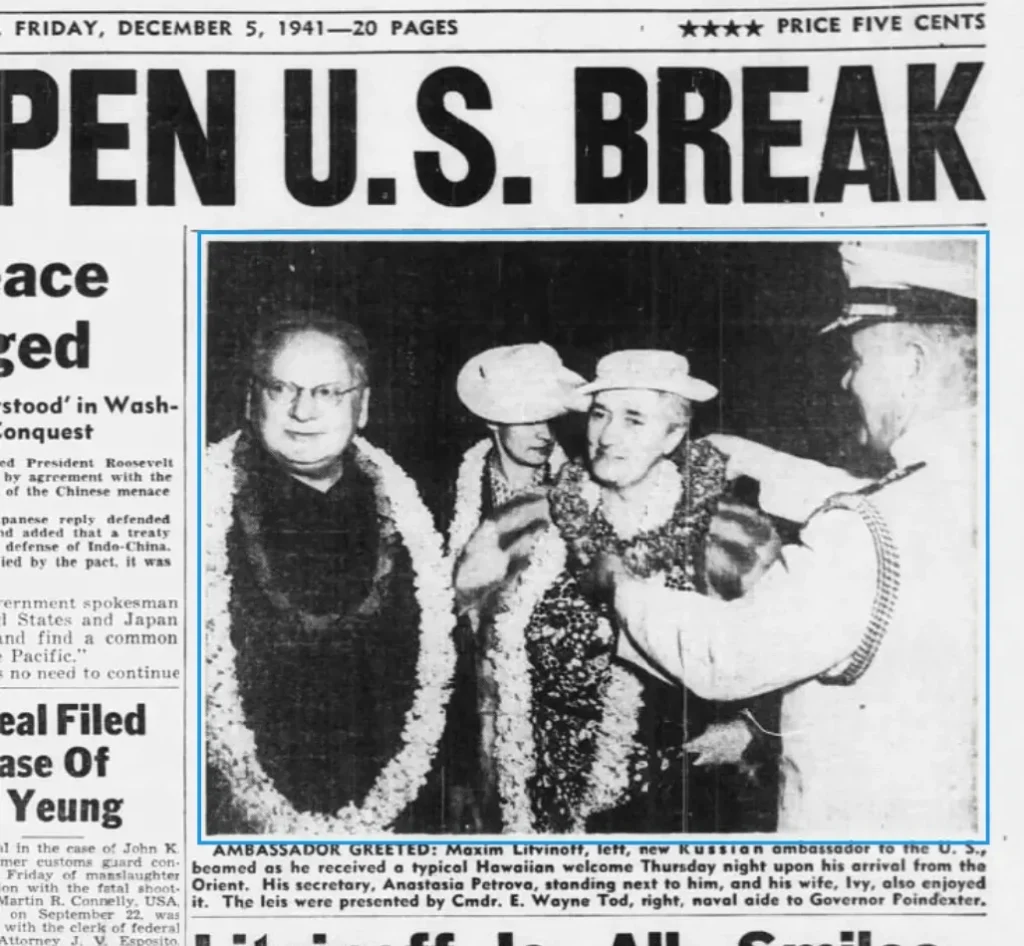
Further complicating the narrative, records show that high-ranking officials, including Soviet Ambassador Konstantin Umansky, left Hawaii just before the attack. Meanwhile, civilian radar operators in Hawaii who identified the incoming fleet were dismissed, and critical anti-aircraft defenses remained unbuilt due to delayed orders.

The Legacy of Pearl Harbor
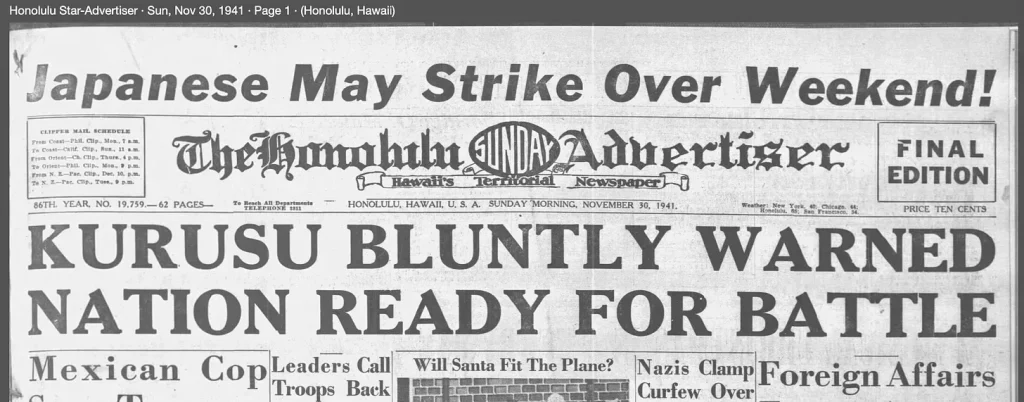
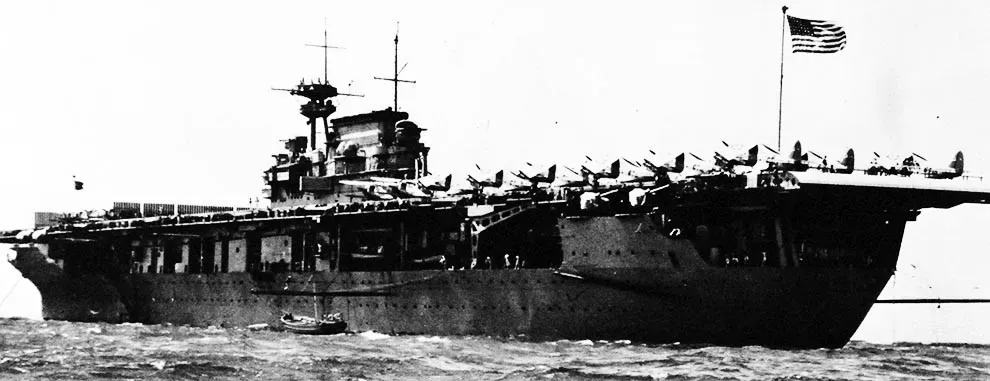
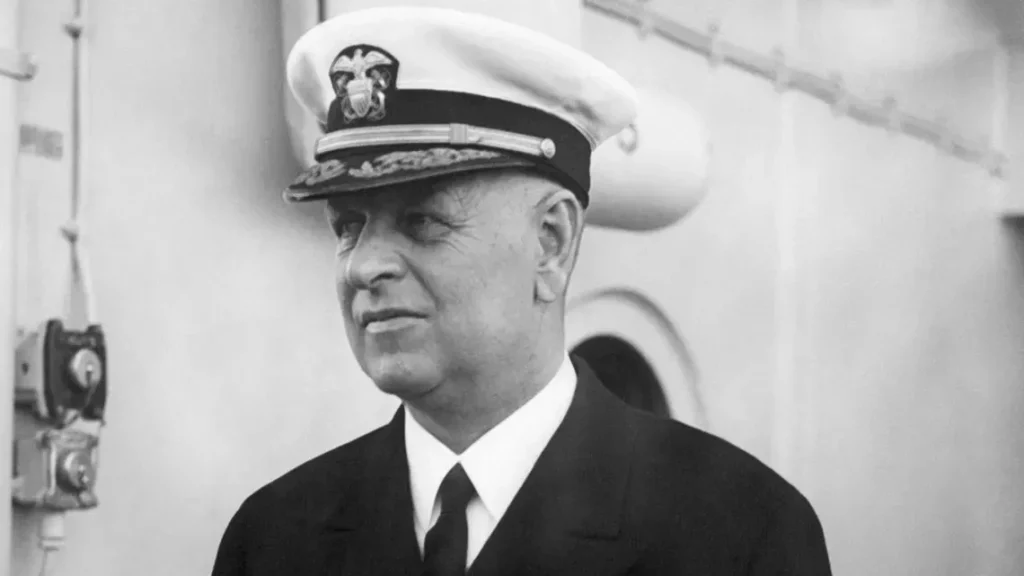
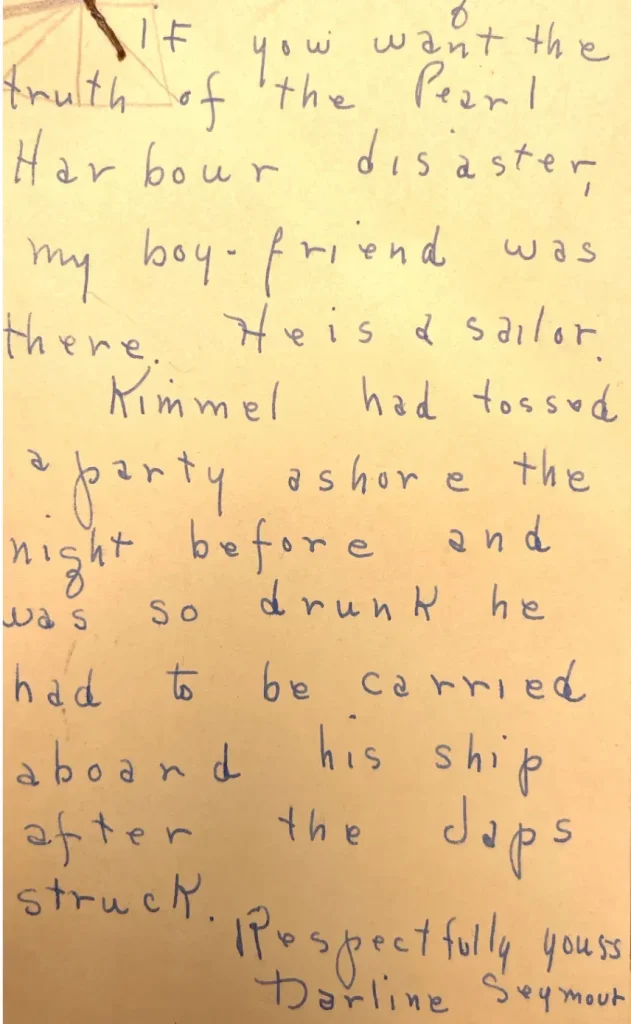
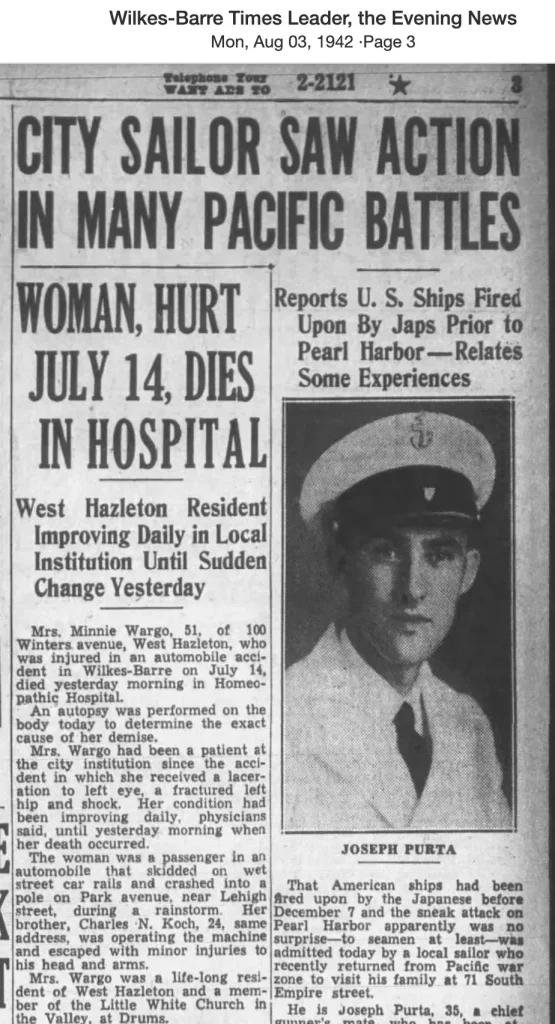
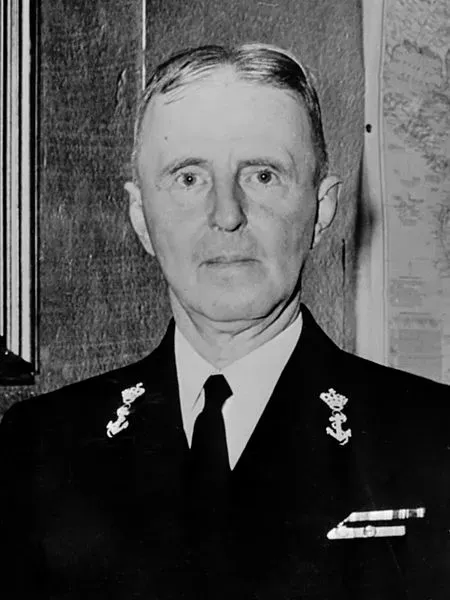
Eighty-three years later, the events of Pearl Harbor continue to raise questions about the U.S. government’s actions—or lack thereof—in the months and weeks leading up to the attack. The loss of over 2,400 American lives and the destruction of the Pacific Fleet galvanized the nation into action, but at what cost?
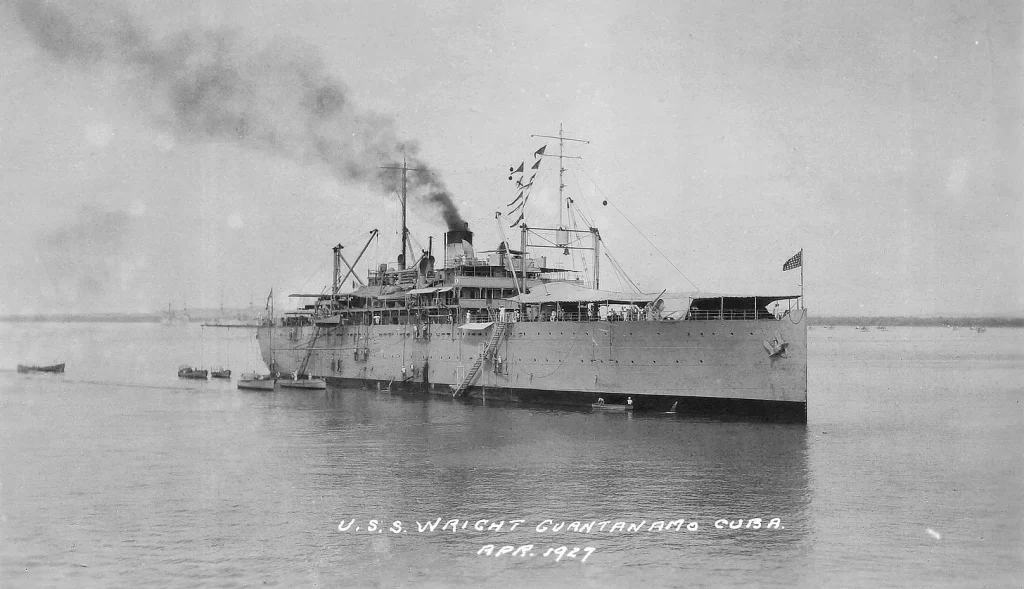
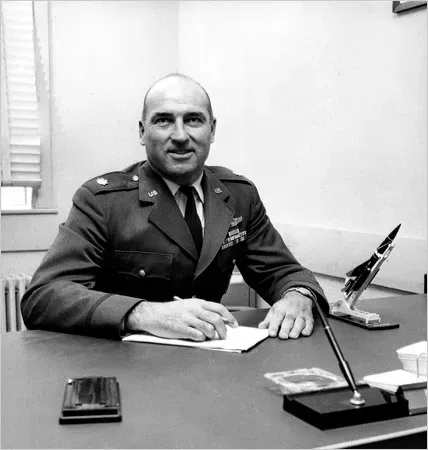
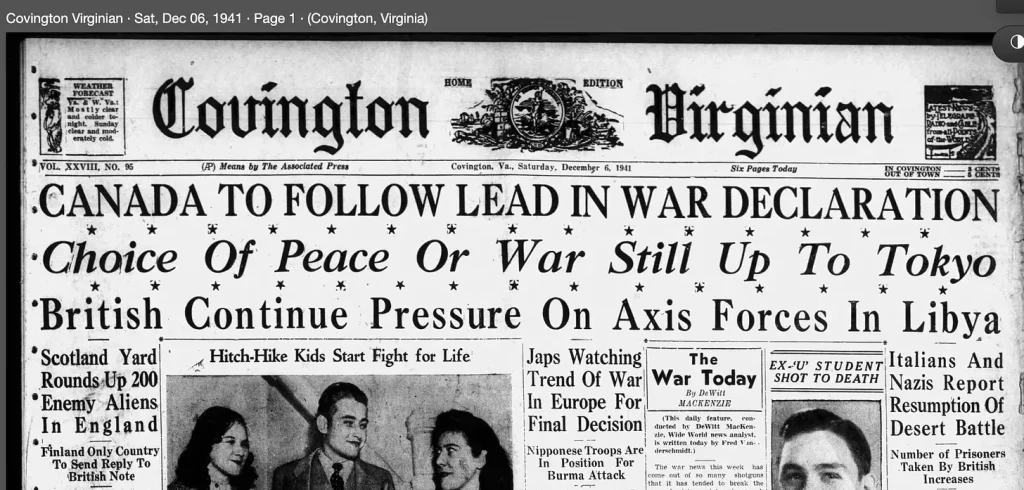
As new documents and testimonies emerge, the narrative surrounding Pearl Harbor shifts. Was the attack a catastrophic intelligence failure, or a calculated step toward war? While debates rage on, one fact remains: the “Day of Infamy” was no surprise to those in power.

