
>> Continued From the Previous Page <<
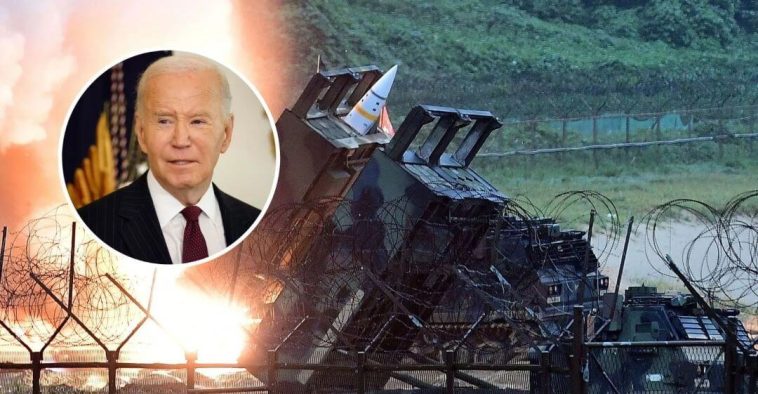
Russian President Vladimir Putin has repeatedly cautioned against Western nations providing Ukraine with long-range weaponry. For months, Putin has stated that such actions would bring Russia to the brink of war with the United States and NATO allies. “All options would be on the table,” he warned, hinting at the potential for nuclear responses.
Despite these dire predictions, the Biden administration appears undeterred, raising questions about the broader implications of this strategy.

Not everyone is critical of the move. Michael Kofman, a military analyst with the Carnegie Endowment for International Peace, voiced cautious optimism in his remarks to The Washington Post:
“If news of the policy shift is true, then it could be of operational benefit to Ukraine, enabling them to better defend and hold on to the territory they currently occupy in Kursk and help offset the benefit that Russia enjoys from employing North Korean forces in this specific part of the front.”
Kofman’s remarks reflect a sentiment shared among globalist circles, where there is apparent support for heightened U.S. involvement in the conflict. However, critics argue that such endorsements fail to account for the potential catastrophic fallout.
The timing of this policy shift is particularly noteworthy. With former President Donald Trump pledging to broker peace in Ukraine if re-elected, the Biden administration’s actions could complicate those efforts. Trump has repeatedly expressed his intention to end the war swiftly upon taking office, stating that the conflict would be resolved within 24 hours of his presidency.

The decision to escalate military aid comes as President Biden nears the end of his term, leaving some to speculate whether this move is intended to secure a legacy of interventionism or to preempt Trump’s potential diplomatic efforts.
Gold at $2,600… But This Stock Gives You More for Under $20
Critics argue that this latest development could push the world closer to an all-out war. With nuclear-armed nations already on edge, the introduction of long-range strikes deep into Russian territory may represent a perilous gamble. The question remains: is this a calculated move to counter Russia’s alliance with North Korea, or a reckless step toward global instability?
As the situation unfolds, the Biden administration’s decision will undoubtedly remain under scrutiny. Whether this escalation leads to strategic gains or catastrophic consequences, its timing and potential fallout will shape the narrative for years to come.

