
>> Continued From the Previous Page <<
The WHO had previously authorized an Emergency Use Listing process for monkeypox vaccines and initiated a regional response plan that required $15 million in funding. Reports indicate that $1.45 million has already been allocated to support this effort.
The current strain of monkeypox is notably more dangerous than the one that surfaced in the U.S. in 2022. The symptoms of this virus are particularly severe, including fever, painful rashes, body aches, swollen lymph nodes, and extreme fatigue. However, unlike COVID-19, monkeypox does not spread through the air and is far less contagious. The virus primarily spreads through close physical contact, such as kissing, touching, and sexual intercourse with an infected individual. It has predominantly affected gay and bisexual men, similar to the previous strain.

So far, no cases of the new variant have been reported in the U.S., and the Centers for Disease Control and Prevention (CDC) have urged healthcare providers to be vigilant for symptoms such as skin rashes and lesions. Notably, no other continents have reported infections of this new strain either.
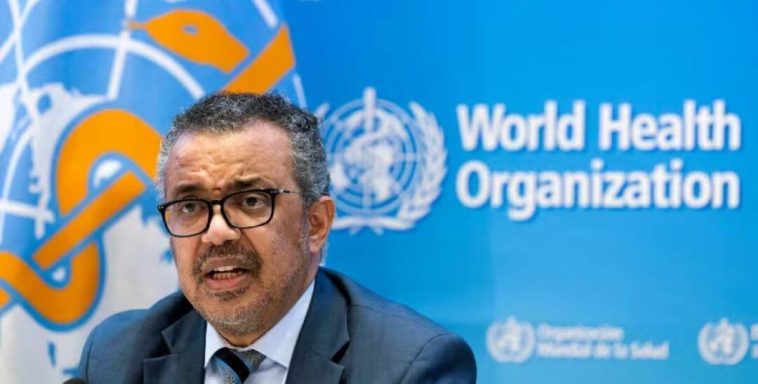
Given these facts, WHO’s decision to declare a global health emergency rather than a more localized one focused on African countries has raised questions. Many are left wondering about the true reasons behind this move and whether there could be other factors at play.
Carry 46 rounds concealed? (comfortably)

As the U.S. presidential election approaches, the declaration of a global emergency for a virus currently contained within Africa has sparked a wave of speculation. Some observers are questioning whether this decision could be politically motivated or if it might be part of a broader strategy. Only time will tell how this situation unfolds, but for now, the world is left to ponder the implications of WHO’s latest action.

