
>> Continued From the Previous Page <<
The strong performance came as analysts had projected a lower overall hiring number. Many on Wall Street expected private payroll growth to come in below the final result.
Instead, businesses exceeded those forecasts.

The gains were not concentrated in just one corner of the economy either. Hiring activity expanded across most major industries, suggesting broader economic strength than many expected.
Education and health services led the way, adding 57,000 jobs. Trade, transportation, and utilities followed with 36,000 new positions. Professional and business services contributed another 11,000 jobs, while construction and hospitality sectors continued to grow as well.
ADP Chief Economist Nela Richardson pointed to the breadth of the hiring gains as a key reason for optimism.
“Hiring was more broad-based in May than we’ve seen in the last few years,” said ADP chief economist Nela Richardson. “The labor market continues to show sustained momentum going into the summer hiring season.”
That assessment carries weight.
ADP processes payroll information for millions of workers across the country, giving the company one of the most comprehensive views of employment trends available.
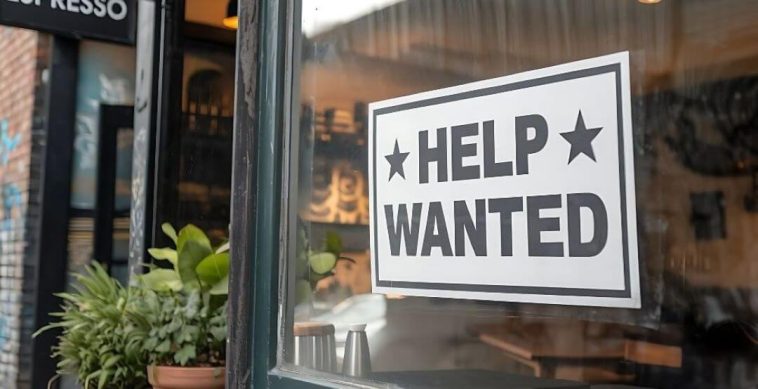
Perhaps the most notable development was the return of confidence among small business owners.
Running a small business often means operating with tighter margins and less room for error than large corporations. Owners must carefully evaluate every hiring decision because each new employee represents a significant financial commitment.
When those businesses begin adding workers, it often signals confidence that demand is increasing and that conditions are stable enough to support expansion.
That is why May’s hiring surge attracted so much attention.
After facing challenges throughout much of the previous year, small employers appear to be moving in a much different direction.
Rather than preparing for contraction, many are preparing for growth.
Navy Federal Credit Union Chief Economist Heather Long highlighted the importance of that trend.
“The fact they are hiring now is a vote of confidence in the economy.”
Those words directly challenge the narrative pushed by many political critics who have spent months warning that economic conditions were deteriorating.
Instead, business owners appear to be making decisions based on what they are seeing firsthand in their communities and marketplaces.
Attention is now turning toward the federal government’s upcoming employment report, which many economists consider the most important monthly measure of labor market performance.
Current forecasts suggest official job creation could come in between 85,000 and 93,000 positions. However, ADP’s stronger-than-expected report has raised questions about whether analysts may once again be underestimating the economy’s momentum.
A stronger labor market could also influence decisions at the Federal Reserve as policymakers continue monitoring inflation, wages, and overall economic activity.
For now, one message is becoming increasingly difficult for critics to ignore.
An economy that generates more than 120,000 private-sector jobs in a single month is not exhibiting signs of collapse.
An economy where small businesses account for tens of thousands of new hires is not behaving like one headed toward recession.
Instead, May’s numbers suggest something very different.
America’s entrepreneurs, local employers, and small business owners are continuing to invest, expand, and create opportunities.
And in doing so, they may have just delivered the strongest rebuttal yet to those who insisted the country’s economic outlook was far darker than reality.

