
>> Continued From the Previous Page <<
The message was clear. Washington is no longer interested in chasing negotiations it believes are going nowhere.
Meanwhile, diplomatic developments on the ground appeared to reinforce that decision. Iran’s top diplomat, Abbas Araghchi, reportedly made only a brief stop in Islamabad before leaving the country, raising further questions about the seriousness and direction of the proposed talks.

At the same time, the United States is demonstrating its leverage not just at the negotiating table, but across key global waterways. The strategic Strait of Hormuz remains a focal point, with American forces maintaining tight oversight of maritime traffic linked to Iranian oil exports.
This week, U.S. operations escalated even further. American forces intercepted two vessels allegedly tied to Iran’s so-called “dark fleet,” a network used to move oil covertly in defiance of sanctions. The ships, identified as the Tifani and the Majestic X, are now under U.S. control along with their crews.
Chairman of the Joint Chiefs of Staff, Dan Caine, emphasized that such operations are far from over. “Both ships, the Tifani, the Majestic X, and their crews remain in U.S. custody, and we will continue to conduct similar maritime interdiction actions and activities in the Pacific and Indian Oceans against Iranian ships and vessels of the dark fleet,” he stated.
Military presence in the region is also being reinforced. United States Central Command recently showcased the USS George H.W. Bush Carrier Strike Group operating in the Indian Ocean, underscoring American readiness and reach.
Back in Iran, the economic strain is becoming increasingly visible. The nation’s energy grid is under pressure, and officials are urging citizens to cut back. Iranian President Masoud Pezeshkian addressed the public directly, calling for conservation amid growing shortages.
“Instead of turning on 10 lights at home, turn on two lights. What is wrong with that?” he said on state television.
The contrast could not be sharper. As Washington tightens its grip through sanctions enforcement and maritime control, Tehran appears to be grappling with the real-world consequences at home.
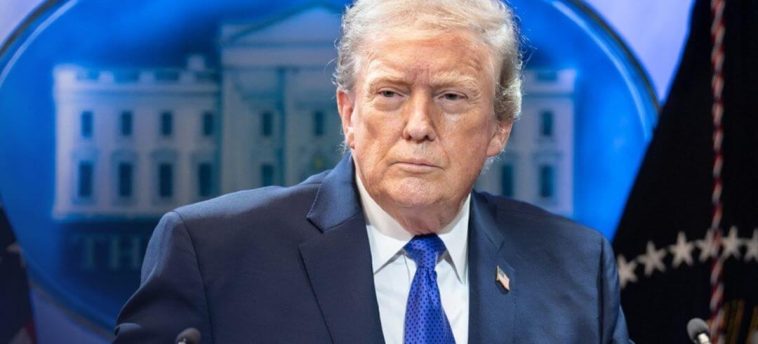
Trump’s decision to cancel the talks may mark a turning point. Rather than pursuing prolonged negotiations, the administration is signaling confidence in its current strategy—one built on economic pressure, military presence, and strategic dominance.
Whether Iran will return to the table under these conditions remains to be seen. But for now, the White House is making one thing clear: it believes the balance of power is firmly on America’s side.

