
>> Continued From the Previous Page <<
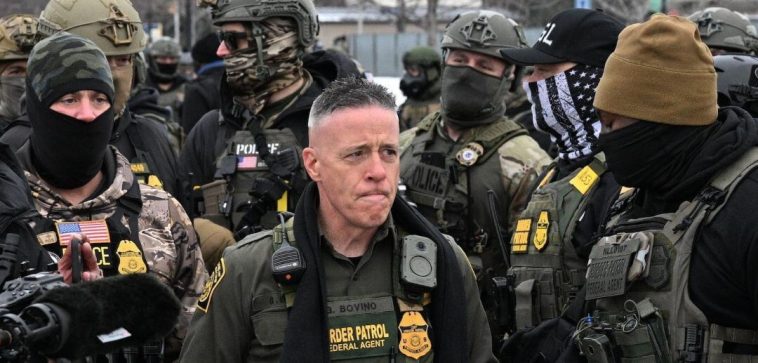
Prosecutors alleged Martinez offered $10,000 for the murder of Bovino and an additional $2,000 for information that could help locate him. The alleged plot unfolded during a period when federal agents were facing escalating threats tied to cartel networks, transnational gangs, and organized criminal groups.
The case carried national implications, as it directly intersected with the Trump administration’s push to reassert control over immigration enforcement and dismantle criminal networks operating inside the United States.

Warnings From DHS Officials
The growing danger facing federal agents has been publicly acknowledged by Homeland Security leadership. DHS Secretary Kristi Noem addressed the issue during an appearance on Fox & Friends, issuing a stark warning about organized threats against law enforcement.
“Intelligence indicates that these people are organized. They are getting more and more people on their team as far as attacking officers and they are making plans to ambush them and to kill them,” Noem said.
“We have specific officers and agents that have bounties that have been put out on their heads. It’s been $2,000 to kidnap them, $10,000 to kill them. They’ve released their pictures. They’ve sent them between their networks and it’s an extremely dangerous situation and unprecedented,” Noem warned.

Those remarks now appear especially chilling in light of the Chicago jury’s decision.
Snapchat Messages and Gang Communications
According to testimony from Homeland Security Investigations, Martinez allegedly used Snapchat to transmit a photograph of the intended target to a gang associate. HSI Special Agent Christopher Perugini testified that the message included a direct financial offer.
“2k on info cuando lo agarren” — meaning “$2,000 on information when you get him.”
Federal prosecutors argued the message clearly demonstrated intent to facilitate violence against a federal officer. The defense, however, pushed back on the credibility and interpretation of the digital evidence.
Jury Deliberates, Then Acquits
Despite the seriousness of the allegations, the jury returned a swift verdict.
“A man accused of offering a $10,000 bounty over Snapchat for the life of a top Border Patrol leader was found not guilty on Thursday in the first criminal trial stemming from the Chicago-area immigration crackdown that started last year,” the Associated Press reported.
“Jurors deliberated less than 4 hours before returning the favorable verdict for 37-year-old Juan Espinoza Martinez. He faced one count of murder-for-hire and up to 10 years in prison if convicted,” AP reported.
The trial itself was brief, with testimony lasting only a few hours. AP noted that the case marked “the latest test of the Trump administration’s credibility on federal surges that have played out from Minnesota to Maine.”
Fallout and Growing Concerns
The acquittal is already fueling outrage among conservatives and law enforcement supporters, who argue the verdict sends a dangerous message to criminal organizations targeting federal officers. Critics say it reinforces the belief that politically hostile jurisdictions are unwilling to hold violent offenders accountable when immigration enforcement is involved.
With documented threats against agents continuing to mount, many are now asking whether federal officers can rely on local juries to deliver justice when their lives are openly put at risk.
For border security advocates, the Chicago verdict is not just one failed prosecution. It is a warning sign of a deeper breakdown in the system meant to protect those enforcing America’s laws.

