
>> Continued From the Previous Page <<
At the heart of the lawsuit is a provision of the NVRA, known as the “Quiet Period Provision,” which prohibits states from conducting systematic voter roll clean-ups within 90 days of a federal election. The DOJ argues that by removing individuals from the rolls too close to Election Day, Virginia risks disenfranchising eligible voters and causing confusion at the polls.
“Section 8(c)(2) of the NVRA, also known as the Quiet Period Provision, requires states to complete systematic programs aimed at removing the names of ineligible voters from voter registration lists no later than 90 days before federal elections,” the DOJ said. “The Quiet Period Provision applies to certain systematic programs carried out by states that are aimed at striking names from voter registration lists based on a perceived failure to meet initial eligibility requirements—including citizenship—at the time of registration.”

Assistant Attorney General Kristen Clarke of the DOJ’s Civil Rights Division explained that the timing of these actions could undermine the democratic process. “By canceling voter registrations within 90 days of Election Day, Virginia places qualified voters in jeopardy of being removed from the rolls and creates the risk of confusion for the electorate,” Clarke said. She added that Congress had enacted this provision to prevent last-minute actions that could lead to mistakes and unintentional voter disenfranchisement.
“The right to vote is the cornerstone of our democracy, and the Justice Department will continue to ensure that the rights of qualified voters are protected,” Clarke emphasized.
The lawsuit comes on the heels of an executive order issued by Virginia Governor Glenn Youngkin (R) earlier this year. The order codifies enhanced election security procedures ahead of the 2024 election and is part of a broader initiative to protect the state’s election system from potential fraud. Governor Youngkin strongly criticized the DOJ’s lawsuit, pointing out that the voter roll maintenance law has been in place for over a decade and has historically enjoyed bipartisan support.

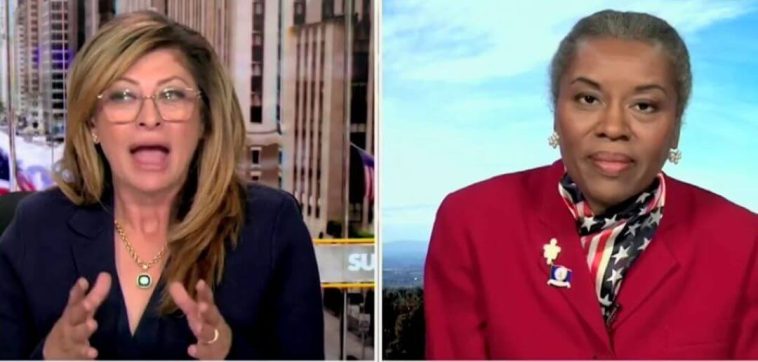
Despite the DOJ’s legal challenge, Lt. Governor Winsome Sears defended the state’s actions, arguing that the clean-up of voter rolls is a necessary step to ensure the integrity of the upcoming election. She revealed some troubling findings from their investigation into the voter rolls.
“What we found, over 6,000 – 6,300 people… who identify that they’re not citizens—and yet they’re on voter rolls,” Sears told Bartiromo during the Fox News segment. Sears went on to disclose even more startling information, highlighting how the voter rolls also include individuals who have long passed away.
“We found people who have been dead since 1960 who were still on the voter rolls,” Sears added.
WATCH:
Bold, Durable, and Patriotic: Trump Yard Signs Selling Out!
The issue of voter roll maintenance has become a focal point in the broader debate over election integrity, with Republicans often stressing the need for strict oversight to prevent fraud and Democrats voicing concerns about possible voter suppression. In this case, the Biden-Harris administration’s DOJ appears to be positioning itself as a defender of voter rights, while Virginia’s leadership insists they are simply trying to prevent illegal voting and ensure that only eligible individuals can cast a ballot.
As the legal battle unfolds, it is clear that the stakes are high for both sides. With the 2024 election looming, the outcome of this lawsuit could set a precedent for how other states handle voter roll maintenance. While the DOJ contends that the timing of Virginia’s actions violates federal law, Governor Youngkin and Lt. Governor Sears maintain that cleaning up the voter rolls is vital to preserving the integrity of the election.
As Sears made clear, the presence of non-citizens and deceased individuals on Virginia’s voter rolls is a serious concern, and the state government is determined to address it despite the DOJ’s opposition. The lawsuit may just be the beginning of a broader national debate about how to balance election security with the protection of voters’ rights.

