
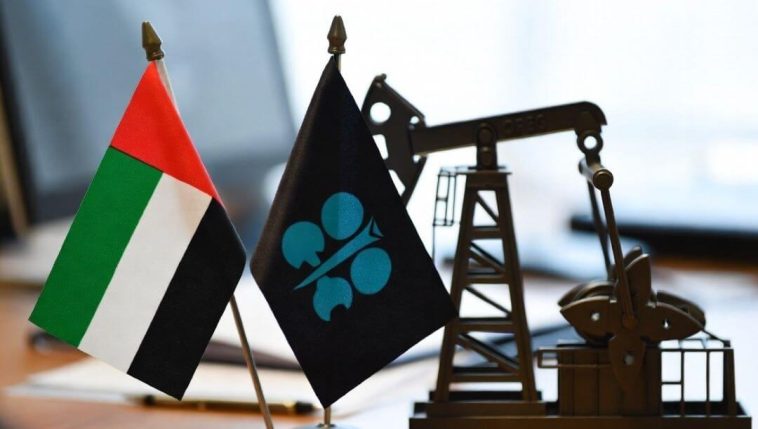
The financial press is cheering what it sees as a bold, market-driven move. But behind the headlines celebrating the United Arab Emirates’ decision to exit OPEC effective May 1, some analysts are warning that the consequences could ripple far beyond oil markets — potentially striking at the very foundation of U.S. economic dominance.
At the center of the concern is a system most Americans rarely think about but have benefited from for decades: the petrodollar.
The System That Propped Up the Dollar
Following the collapse of the gold standard in the early 1970s, U.S. policymakers — including Henry Kissinger — negotiated a strategic arrangement with Saudi Arabia. Oil would be priced globally in U.S. dollars, and oil revenues would be recycled into American financial assets, particularly Treasury bonds.

That agreement created a powerful cycle. Nations needing energy first had to acquire dollars. Those dollars then flowed back into U.S. debt markets, allowing Washington to borrow heavily while maintaining global confidence in its currency.
>> Click Here To Continue Reading <<

