
>> Continued From the Previous Page <<
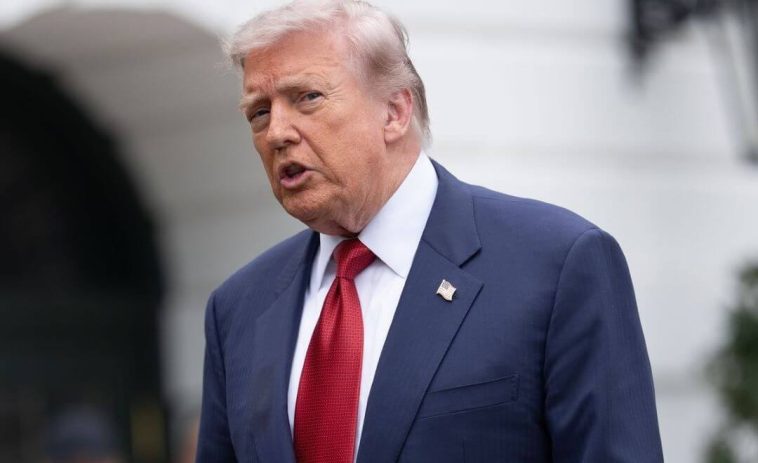
“They’re making a lot of money, they could make a little bit less and they could let the people see,” Trump said.
He made clear exactly who he believes is getting crushed by the NFL’s business model.

“You’ve got people that love football, they’re great people, they don’t make enough money to go and pay this, it’s tough.”
That message landed at the exact moment federal scrutiny around the league’s television and streaming agreements is intensifying.
The Department of Justice reportedly opened a formal investigation earlier this year into whether the NFL’s modern streaming arrangements still qualify for antitrust protections originally granted to the league more than six decades ago.
And suddenly Roger Goodell’s favorite talking point is starting to collapse under the weight of reality.
For years, the commissioner defended the league’s media structure by claiming most NFL games remain available to the public free of charge.
“Over 87 percent of our games go on free television,” Goodell said during ESPN’s NFL Draft Countdown after reports of the DOJ probe surfaced.
That statistic sounds comforting until fans look at what it actually means.
The figure primarily reflects games airing inside local team markets.
If you live outside your team’s home region, the experience becomes dramatically more expensive.
Out-of-market viewers have spent decades paying premium prices just to follow the teams they grew up supporting.
First it was DirecTV’s Sunday Ticket package.
Now it’s an even bigger maze involving Amazon Prime Video, Netflix, Peacock, ESPN+, YouTube TV, and traditional cable subscriptions all stacked together.
Thursday Night Football now belongs to Amazon.
Major holiday games have been handed to Netflix.
Playoff games increasingly rotate behind premium streaming paywalls.
Fans who want full NFL access can now spend close to $1,000 per season just to watch games legally.
That staggering figure became central to the government scrutiny now surrounding the league.
Senator Mike Lee sent a letter earlier this year to both the DOJ and the Federal Trade Commission warning that the NFL’s current structure may no longer qualify for the protections granted under the 1961 Sports Broadcasting Act.
That law gave the NFL a unique antitrust exemption specifically tied to broadcast television.
But modern streaming platforms did not exist in 1961.
Neither did billion-dollar subscription ecosystems.
Legal experts have repeatedly argued that the exemption was never intended to cover cable packages, satellite monopolies, or exclusive streaming deals.
And that is where the league may face serious trouble.
The NFL’s current media agreements reportedly total roughly $111 billion through 2033.
Those deals transformed professional football into one of the richest entertainment properties on Earth.
But critics argue fans funded the entire machine while receiving less direct access in return.
That criticism exploded in court last year when a jury sided against the NFL in the Sunday Ticket lawsuit, awarding billions in damages to subscribers who argued the league intentionally inflated prices to protect network television contracts.
Although the verdict was later thrown out on procedural grounds, the case exposed growing anger toward the NFL’s broadcast strategy.
The league may have escaped the financial judgment.
It did not escape the political fallout.
Trump’s involvement raises the stakes dramatically because his feud with Goodell stretches back years.
The two men publicly clashed during the National Anthem controversy in 2017 when Trump demanded NFL owners discipline players kneeling during games.
At the time, Goodell resisted publicly while eventually steering the league away from widespread demonstrations in later seasons.
Now the conflict has evolved into something potentially far more dangerous for the NFL.
A presidential administration openly questioning whether the league’s legal protections still apply.
The Federal Communications Commission has also reportedly begun examining how Americans access live sports broadcasts in the streaming era.
And Trump’s comments this week signaled that the White House is paying very close attention.
“There’s something very sad when they take football away from many people,” Trump said.
That line may end up haunting the NFL more than any lawsuit.
Because the core political danger for Goodell is simple.
Football built its dominance by becoming America’s most accessible sport.
Now millions of fans believe the league turned around and locked that same game behind corporate paywalls.
And if the DOJ ultimately decides the NFL’s streaming empire falls outside the protections granted in 1961, Roger Goodell could find himself defending far more than just television contracts.
He could be defending the entire business model that made the league richer than ever while leaving working-class fans behind.

