
>> Continued From the Previous Page <<
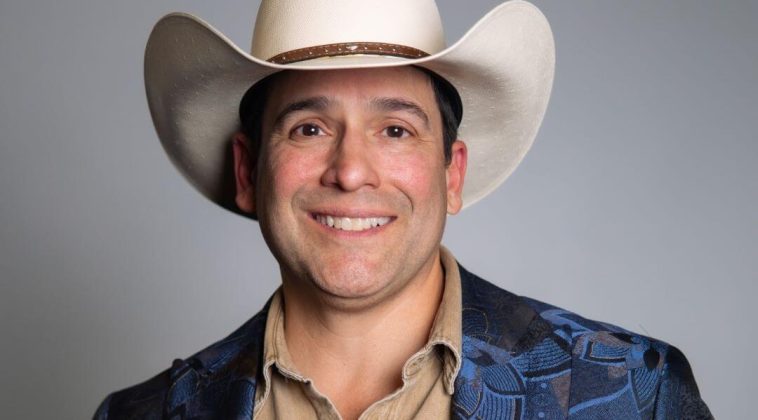
Reports indicate that Pulido’s personal life is heavily anchored in Mexico. His wife resides there, along with children from previous relationships, and he is said to own property across the border. His professional activities also reflect those ties, with several of his most recent performances taking place in Mexico. In addition, Pulido acknowledged in 2025 that he frequently travels there for medical care.
His past statements go even further. In a 2015 interview with a Mexican publication, Pulido openly discussed his desire to obtain dual citizenship. “I’m going to be Mexican because I want the same Mexican passport you have,” he said.

These revelations are particularly significant given the political landscape of TX-15. The district has shifted notably in recent years, with former President Donald Trump winning it by a wide margin in 2024 and De La Cruz securing a decisive victory. Democrats are hoping Pulido’s celebrity status can help reverse those trends, but the growing controversy may complicate that strategy.
The residency issue is only one part of a broader pattern that has resurfaced from Pulido’s past. Old social media posts show a history of aggressive rhetoric directed at Trump. In one instance, he shared a Spanish phrase translating to an explicit insult aimed at the former president. In another, he filmed himself urinating on Trump’s Hollywood Walk of Fame star. He also appeared in a Halloween costume portraying a bloodied version of Trump.
Additional posts labeled Republican-leaning counties in Texas with derogatory language, and reports indicate that his accounts once included links to explicit websites. Much of this content was reportedly deleted after he entered the race, but it has since been rediscovered and circulated online.
Representative De La Cruz has not held back in responding to the controversy. She suggested that voters are looking for serious leadership, not entertainment. According to her, the election is about representation and accountability, not celebrity appeal.
Pulido, for his part, has leaned into his public persona, even launching a campaign initiative inviting families in the district to include him in their quinceañera celebrations. While the move generated attention, critics argue it does little to address the underlying concerns about his residency and past conduct.
The stakes in TX-15 extend beyond a single race. It is one of several districts Democrats are targeting as they attempt to regain ground in South Texas, a region where Hispanic voter support has shown signs of shifting. The party’s decision to back a candidate with deep cross-border ties is now being closely watched as a test of that strategy.
For many voters, the core issue remains straightforward: does Pulido truly represent the community he is asking to serve? With documented ties to Mexico, conflicting public statements, and a resurfacing digital footprint, that question is becoming increasingly difficult to ignore.
As the campaign intensifies, the spotlight on Pulido is unlikely to fade. His own words, preserved on video and in print, continue to shape the narrative. And in a district where elections are decided by trust and turnout, the outcome may hinge on whether voters believe the story he is telling now—or the one he told before.

