

>> Continued From the Previous Page <<
The Wall Street Journal reported:
“Defense Secretary Pete Hegseth, who is facing scrutiny over his handling of details of a military strike, brought his wife, a former Fox News producer, to two meetings with foreign military counterparts where sensitive information was discussed, according to multiple people who were present or had knowledge of the discussions.”

One of the meetings, which occurred on March 6, was particularly critical. Hegseth’s discussion with U.K. Secretary of Defense John Healey took place just one day after the U.S. had cut off military intelligence sharing with Ukraine. This meeting, which included U.K. military leader Adm. Tony Radakin, covered the rationale behind the intelligence cutoff and the future of U.S.-U.K. military collaboration, according to those familiar with the matter.
While secretaries can invite individuals to meetings with foreign officials, defense insiders emphasize that these discussions are typically restricted to those with a need-to-know basis. Security clearances are standard for attendees, given the sensitive nature of the topics being discussed. There are often security personnel stationed near meeting rooms to prevent unauthorized individuals from gaining access.
This controversy follows another scandal involving Hegseth, dubbed “Signalgate.” In that instance, Trump’s National Security Advisor Mike Waltz reportedly added The Atlantic editor Jeffrey Goldberg to a Signal chat group where Pete Hegseth discussed recent military strikes against Houthi terrorists in Yemen. Hegseth was criticized for failing to recognize that Goldberg had been added to the group chat, sparking concerns over operational security.
Just Released: Trump White House Collector’s Bobblehead!
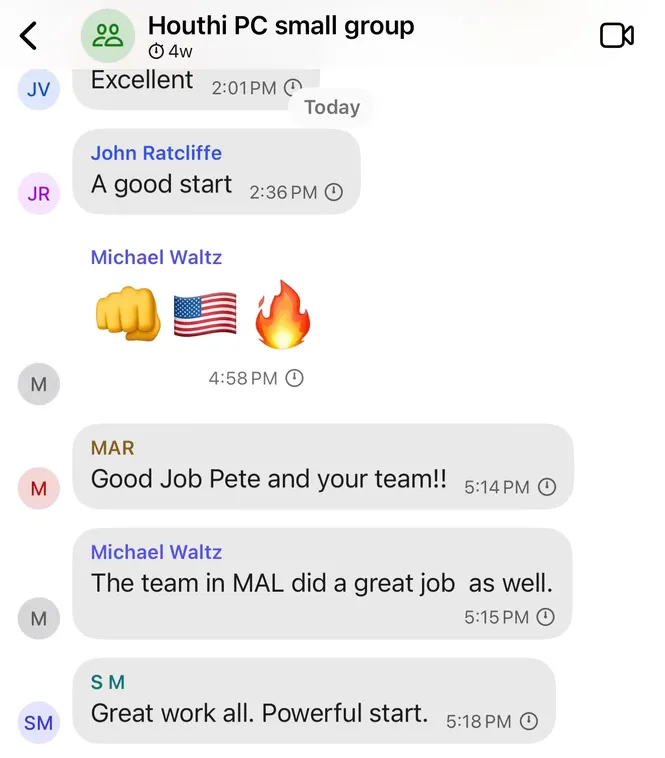
Hegseth defended himself, stating that no war plans were revealed in what he referred to as the “Houthi PC small group” chat. He maintained that the discussions remained within acceptable boundaries and did not compromise national security.
WATCH:
With growing scrutiny over his handling of sensitive information, critics argue that Hegseth’s conduct raises serious questions about his leadership at the Pentagon. Supporters, however, claim that these controversies are merely politically motivated attacks against a high-profile figure in the Trump administration.
As the debate over Hegseth’s actions continues, the implications of these incidents remain unclear. Will this controversy impact his standing in the administration, or will it blow over like past political firestorms? One thing is certain—Washington’s political battleground just got even more intense.

