
>> Continued From the Previous Page <<
The inconsistency in voter registration requirements is startling. For example, while Arizona demands proof of citizenship for state elections, it does not extend this requirement to federal elections. Here, individuals need only affirm their citizenship and age to receive a federal ballot.
According to Ballotpedia, as of June 2024, seven states have taken measures to fortify their election laws by explicitly prohibiting noncitizen voting in their constitutions. These states include Alabama, Arizona, Colorado, Florida, Louisiana, North Dakota, and Ohio.

Nevertheless, the federal voter registration form used across the United States does not mandate the submission of a Social Security number or proof of citizenship, further complicating the issue.
KTVZ reports that after Arizona implemented its citizenship proof law in 2004, it began rejecting voter registrations lacking proper documentation. However, a 2013 U.S. Supreme Court decision mandated that under the Voting Rights Act, which doesn’t require such documentation, the state must allow these individuals to vote in federal elections. Consequently, Arizona developed a system where voters could register as federal-only voters using a federal form, even without documented proof of citizenship. The list of such voters has seen significant growth.
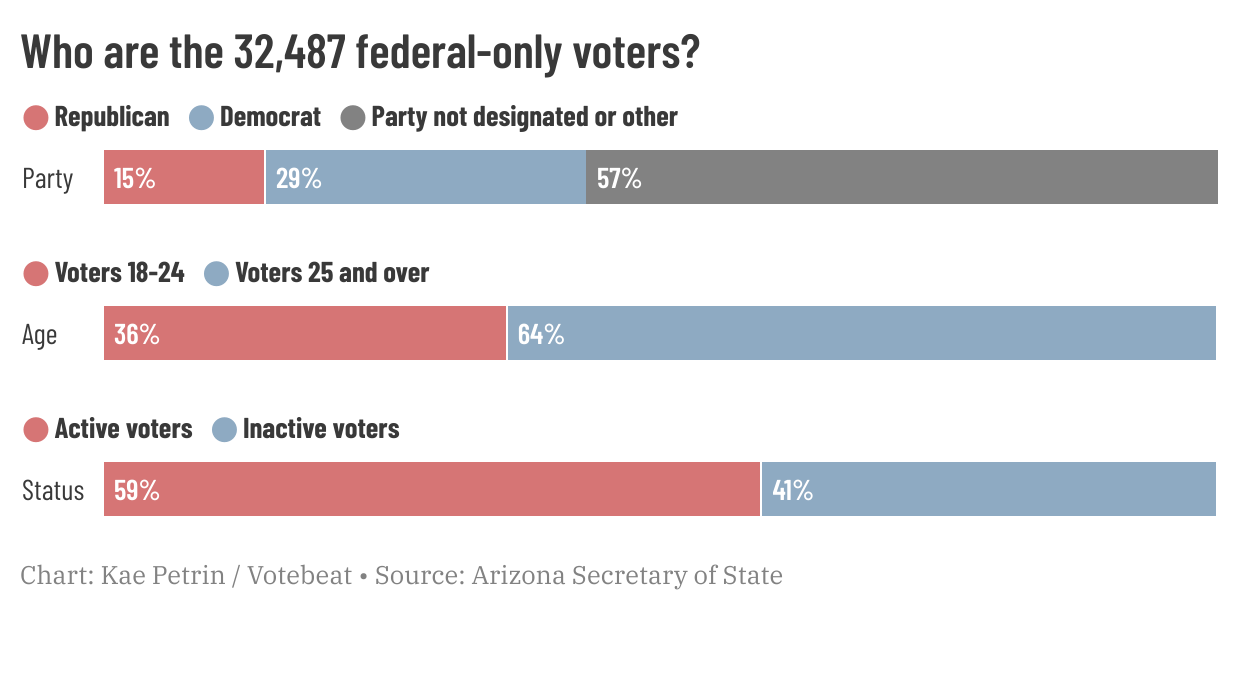
This legal loophole has been exploited and criticized extensively. In 2022, Arizona Republicans sought to close this gap with HB2492, a bill that would require all voters to provide adequate proof of citizenship. This move was aimed at securing the electoral process and preventing illegal voting. However, the enforcement of this law is currently stalled due to ongoing legal challenges.
This situation has led to widespread concern about the integrity of the U.S. electoral system. The question arises: Why is there a reluctance or failure to enforce more stringent voter identification laws? With significant elections on the horizon, there is an urgent need for clarity and action to ensure that only eligible citizens cast votes in U.S. elections.
Carry 46 rounds concealed? (comfortably)
As reported by The Gateway Pundit, this issue extends beyond partisan concerns; it touches on the fundamental principles of electoral integrity and sovereignty. The coming months are crucial for addressing these vulnerabilities in the electoral system to maintain trust and fairness in the democratic process.

