
>> Continued From the Previous Page <<
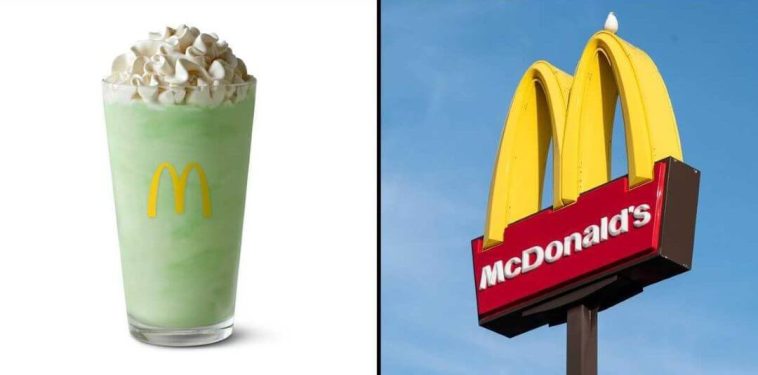
The shake was first introduced in 1967 by Hal Rosen, a franchise owner in Connecticut who wanted a St. Patrick’s Day-themed dessert. He blended vanilla soft serve with mint Shamrock syrup, topping it with whipped cream. By 1970, the shake had gone regional, gaining a devoted following long before the term “cult following” existed in marketing.
For decades, the shake wasn’t sold nationwide. Fans built websites tracking which locations stocked it. McDonald’s finally made it available in all 50 states in 2012, later introducing the Oreo Shamrock McFlurry in 2020 when they realized customers loved cookie chunks in everything.

This year’s release, arriving exactly one month before St. Patrick’s Day, gives McDonald’s four weeks to stoke excitement and create a sense of urgency.
Why Limited-Time Treats Outshine Permanent Menu Items
Scarcity sells. The McRib proved that a periodically available item could turn a modest sandwich into a cultural phenomenon. Industry analysts note that seasonal promotions drive surges in traffic that regular menu items rarely achieve.
McDonald’s also reports that value-focused items, like the return of Snack Wraps, helped boost 2025 annual sales by 3.1% globally. But it’s the seasonal products that hook customers emotionally and bring them through the doors first.
The Shamrock Shake leans heavily on nostalgia. In 2025, McDonald’s reintroduced Uncle O’Grimacey — Grimace’s long-lost green uncle from the 1980s — banking on older customers remembering him. That campaign succeeded because Grimace had already gone viral in 2024 as the New York Mets’ unofficial playoff mascot. McDonald’s didn’t manufacture the viral moment — they capitalized on it.
The shake itself hasn’t changed in over 40 years. After a brief lemon-lime experiment, it returned to mint in 1983. The formula is simple: vanilla soft serve, Shamrock syrup, and whipped cream. Yet, by making it temporarily unavailable, McDonald’s transforms a straightforward milkshake into a must-have experience, with customers willing to drive across town to get it.
Marketing Triumph, Not Product Innovation
McDonald’s reported a 5.7% jump in global comparable sales in Q4 2025, with the U.S. leading at 6.8%. This coincides with a carefully timed lineup of promotions: McNugget Caviar for Valentine’s Day, Snack Wraps returning, and now the Shamrock Shake. These aren’t just menu items — they’re strategic traffic drivers designed to generate urgency and social media buzz.
In 2025, fast-food chains rolled out a record number of new promotions. Rising prices and frustrated customers mean novelty and scarcity are now the most reliable ways to increase foot traffic without cutting margins. McDonald’s pricing strategy leverages this perfectly, charging premium prices for items customers know won’t be around next month.
The Shamrock Shake comes in three sizes, and each sale contributes 25 cents to Ronald McDonald House Charities, adding a feel-good incentive for spending a little extra on minty sugar water. In fact, the original Shamrock Shake generated enough revenue in 1974 to fund the first Ronald McDonald House in Philadelphia — proof that seasonal gimmicks have long fueled McDonald’s charitable reputation.
In the end, McDonald’s isn’t chasing innovation. By recycling the same mint shake every February, they create predictable excitement and repeat revenue, proving that smart marketing often matters more than the product itself.

