
>> Continued From the Previous Page <<
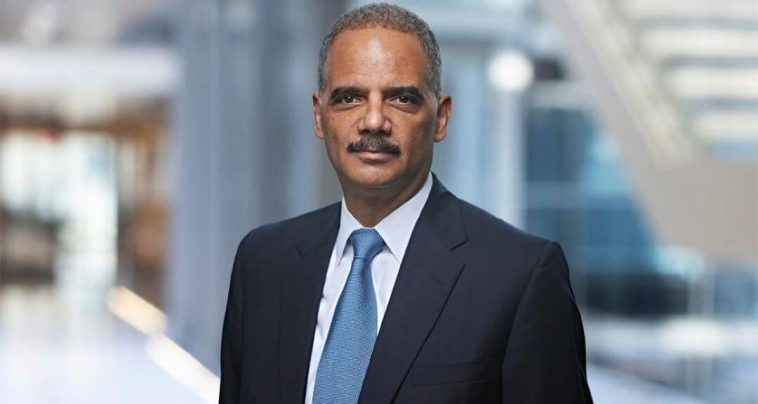
Despite this history, Holder is now positioning himself as a leading voice on election fairness. He currently chairs the National Democratic Redistricting Committee, a political organization focused on influencing how congressional districts are drawn across the country. The group has played an active role in recent redistricting battles, including in states like Virginia.
Speaking about recent developments, Holder praised efforts he described as promoting fairness in the electoral process. However, critics argue that the outcomes of some redistricting efforts heavily favor Democrats. They point to states like Illinois and California, where district maps have been drawn in ways that produce overwhelming advantages for one party, even in politically competitive states.

Holder also told MSNBC viewers that Democrats believe in “letting the people decide the direction of the country.” That statement drew sharp criticism from opponents, who argue that aggressive redistricting undermines that very principle. They claim that manipulating district boundaries effectively predetermines election outcomes, reducing the impact of voter choice.
Meanwhile, House Democratic leadership, including Hakeem Jeffries, has been vocal about pursuing political advantages through redistricting strategies. Reports indicate ongoing efforts to further solidify Democratic control in key states through updated district maps.
Holder’s MSNBC appearance also included a warning about future congressional oversight. He said a Democratic House would “issue subpoenas” and “put administration officials under oath,” adding that this would be “the last thing in the world” the Trump administration wants. The statement immediately reignited debate over Holder’s own handling of congressional subpoenas during his tenure as Attorney General.
For critics, the contrast is hard to ignore. They argue that Holder resisted similar oversight requests when he was in power, yet now champions accountability as a political tool. Supporters, on the other hand, say his experience gives him insight into the importance of oversight in government.
The broader debate touches on a deeper national divide over what constitutes a threat to democracy. On one side, Democrats argue that voting access and fair representation are at risk. On the other, Republicans and their allies claim that redistricting strategies and selective enforcement of oversight undermine public trust.
As the 2026 midterm elections approach, these issues are likely to intensify. Redistricting battles, legal challenges, and political messaging will shape the electoral landscape in ways that could have lasting consequences.
For now, Holder remains a central figure in the conversation. Whether viewed as a defender of democratic norms or a symbol of political double standards, his role continues to generate strong reactions across the political spectrum.

