>> Continued From the Previous Page <<
In a crash, the seatback plays a critical role in protecting passengers. If it fails to stay locked, it can collapse under force, increasing the risk of injury for anyone seated behind the driver or front passenger.
Toyota acknowledged the seriousness of the situation, explaining that the defect could compromise occupant safety during sudden impacts.

The company emphasized that it has not received reports of injuries linked to the issue. But officials made clear the potential danger is enough to warrant immediate action.
Hundreds of Thousands of Vehicles Impacted
The scale of the recall is massive.
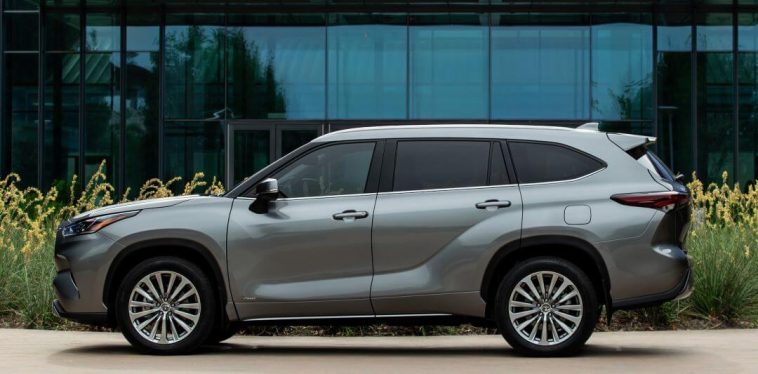
Out of the total 550,007 affected vehicles, more than 420,000 are standard Highlanders, while over 129,000 are hybrid versions. These are among Toyota’s most popular family SUVs, widely seen as reliable daily drivers.
That means a significant number of American families could unknowingly be driving vehicles with a hidden safety flaw.
Toyota says the issue stems from internal components within the seat’s reclining mechanism, specifically the return springs that help secure the seatback in place.
The fix is straightforward but essential.
Dealers will replace the faulty springs with redesigned parts at no cost to vehicle owners.
What Owners Need to Do Right Now
Toyota plans to notify owners by mail beginning in early May 2026. But waiting for a letter may not be the smartest move.
Drivers are being urged to take immediate action by checking their vehicle identification number, or VIN, through Toyota’s recall website or federal safety databases.
If a vehicle is included in the recall, owners should schedule a repair appointment with their local dealership as soon as possible.
The process is free and designed to ensure that the seat locking mechanism performs properly under all conditions.
Given the potential safety implications, this is not something drivers should put off.
A Broader Trend in the Auto Industry
While Toyota is now in the spotlight, this issue is not isolated.
Across the automotive industry, manufacturers are facing increased scrutiny over seat and restraint system reliability. In recent months, several major automakers have issued recalls tied to similar concerns.
This reflects a growing focus on passenger safety systems that were once considered routine but are now being examined more closely.
Automakers are moving faster to identify and correct potential hazards before they lead to injuries or lawsuits. In many cases, recalls are being issued proactively rather than reactively.
That shift suggests companies are under pressure to act early — and to avoid the kind of high-profile failures that can damage consumer trust.
Toyota’s Reputation Faces a Test
Toyota has long been viewed as one of the most dependable names in the auto industry. The Highlander, in particular, has been a staple for families looking for durability and peace of mind.
This recall doesn’t erase decades of reliability. But it does serve as a reminder that even the most trusted brands are not immune to manufacturing flaws.
The key difference lies in how companies respond.
In this case, Toyota moved to address the issue before injuries were reported, offering a free fix and urging owners to take action quickly.
For drivers, the takeaway is simple.
If you own a Highlander from the affected years, check your VIN, get the repair done, and make sure your vehicle is performing the way it should.
Because when it comes to your family’s safety, there’s no room for uncertainty.