
>> Continued From the Previous Page <<
“All right, listen, the gas prices were this high under Obama, too,” she told Jeffries.
The remark immediately shifted attention away from current geopolitical concerns and back toward the economic records of previous Democratic administrations.

Jeffries attempted to respond, but Scotto quickly followed up with another pointed question.
“And Biden, right?” she asked. “President Biden, didn’t we have gas prices at over $5?”
The question struck at one of the most politically damaging issues Democrats continue to face.
Americans may disagree about the causes of inflation, but many vividly remember watching gas station signs climb above five dollars per gallon while everyday necessities became increasingly expensive.
Jeffries attempted to explain away the spike.
“No, well, they were gas prices in the immediate aftermath of the pandemic situation,” he said.
But the hosts continued pressing the issue.
Scotto then turned the conversation toward another symbol of the inflation crisis that dominated headlines during Biden’s presidency.
“And I remember eggs were like $12 a dozen,” Scotto said.
That comment highlighted a challenge Democrats have struggled to overcome for years.
While party leaders frequently criticize current economic conditions, many voters still connect Democrats with the historic inflation surge that followed the COVID era.
Prices rose dramatically across nearly every major category. Grocery bills increased. Housing costs soared. Auto prices climbed. Energy expenses jumped. For millions of Americans, the purchasing power of their paychecks simply could not keep pace.
Republicans have repeatedly argued that excessive federal spending helped fuel those price increases, while Democrats have pointed to supply chain disruptions, global market instability, and pandemic-related economic shocks.
The debate remains politically significant because affordability consistently ranks among the top concerns for voters.
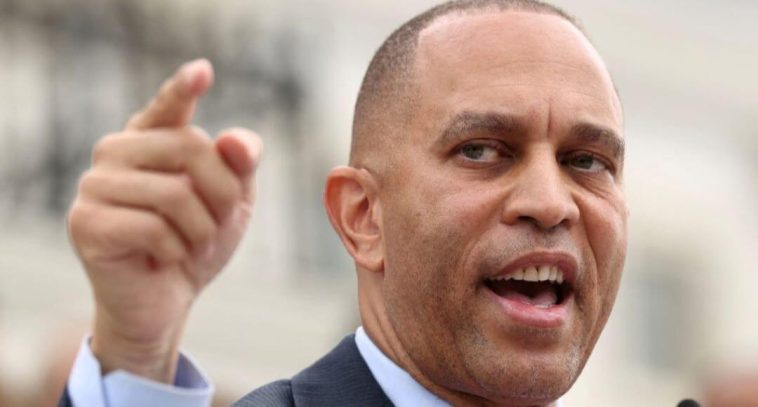
That reality was on full display during Jeffries’ television appearance.
Each time the Democratic leader attempted to steer the conversation toward criticism of current policies, the hosts brought attention back to the economic hardships many Americans experienced under Democratic leadership.
The timing could not have been worse.
On the same day Jeffries was warning about economic threats tied to foreign tensions, financial markets were moving in a far different direction.
Investors pushed major indexes higher amid growing optimism that energy prices could move lower in the coming weeks. Transportation companies, consumer-focused businesses, and several technology firms posted gains as traders reacted positively to expectations of reduced fuel costs.
Analysts have suggested that if oil prices remain stable or continue declining, consumers could begin seeing meaningful relief at gas stations across the country.
That market reaction undermined one of the central themes Jeffries was attempting to promote.
Rather than validating concerns about worsening economic pressure, investors appeared to be betting on improving conditions.
The interview serves as another reminder of the political obstacle Democrats face whenever economic issues dominate the conversation.
For many Americans, memories of soaring gas prices, expensive groceries, and relentless inflation remain fresh.
As a result, Democratic leaders often find themselves answering questions about their own record before they can effectively make the case against their opponents.
Monday’s interview offered a perfect example.
Instead of delivering a clear message about current economic concerns, Jeffries spent much of his appearance explaining away the very inflation crisis that many voters have not forgotten.

