
>> Continued From the Previous Page <<
A $400 Million Turnaround
This is not happening in a vacuum.
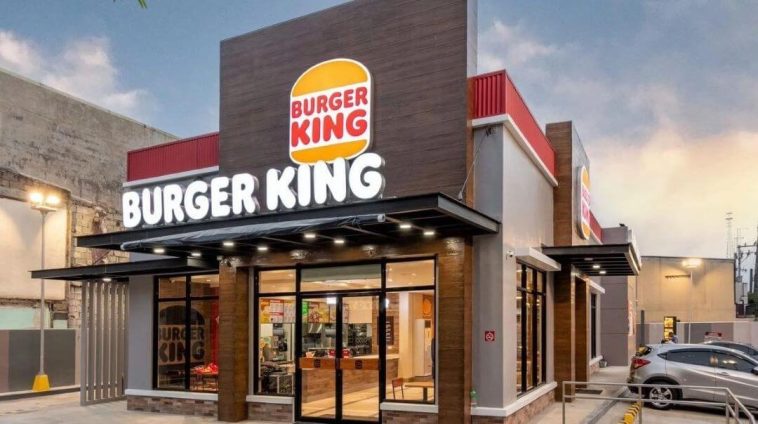
Burger King is in the middle of a $400 million effort to revive and strengthen its U.S. operations. More than 3,000 restaurants are being remodeled. Kitchens are being upgraded. Branding is being reworked. Leadership is pushing hard to restore consistency and quality to one of America’s most recognizable names.

The early results are promising.
The company has outperformed the broader fast food sector in nine of the past 12 quarters. In the final quarter of 2025, same store sales rose 2.6 percent.
Those gains are not coming from corporate guesswork. They are coming from customer feedback.
When fans pushed back against the “Creepy King” ad campaign and said it felt gimmicky, the company pivoted. Burger King returned to more family friendly messaging.
When customers proposed new Whopper combinations through a fan platform, those ideas made it to menus nationwide.
Curtis wants more of that direct input. The cold fries. The sloppy burger. The dirty restroom. The rude drive thru experience.
“The best gift I can get is real, honest feedback,” Curtis said. “We have to understand anything that may make a customer think twice about not coming back.”
Why This Has the Industry on Edge
Most fast food executives rely on reports and spreadsheets. They look at quarterly data and consumer surveys. They sit in boardrooms and analyze trends.
Curtis is choosing something far more personal.
He is making himself reachable to the customer in Tulsa who got the wrong order. To the grandmother who has been eating the Whopper since 1980. To the working family that expects basic quality and respect.
And he made it clear this is not a temporary experiment.
“This will become a sustainable routine as long as I’m here,” Curtis said.
After the initial two week stretch of four hours a day, the time commitment will scale back. But other Burger King leaders and franchise operators will rotate in to keep the feedback flowing throughout the year.
There are roughly 7,000 Burger King locations across the United States. Curtis cannot physically visit them all.
This is how he plans to bridge that gap.
At a time when many Americans feel ignored by corporate elites who rarely leave the executive suite, this approach stands out. It signals that someone at the top is willing to hear the complaints directly instead of filtering them through layers of bureaucracy.
For customers who have watched food quality slip and service decline while prices climbed, that matters.
Whether other chains follow suit remains to be seen. But one thing is clear.
When the president of a national fast food brand is willing to put his personal phone number on the line, the industry notices.

